US Strikes Iran Even as Khamenei Funeral Procession Crosses Into Iraq
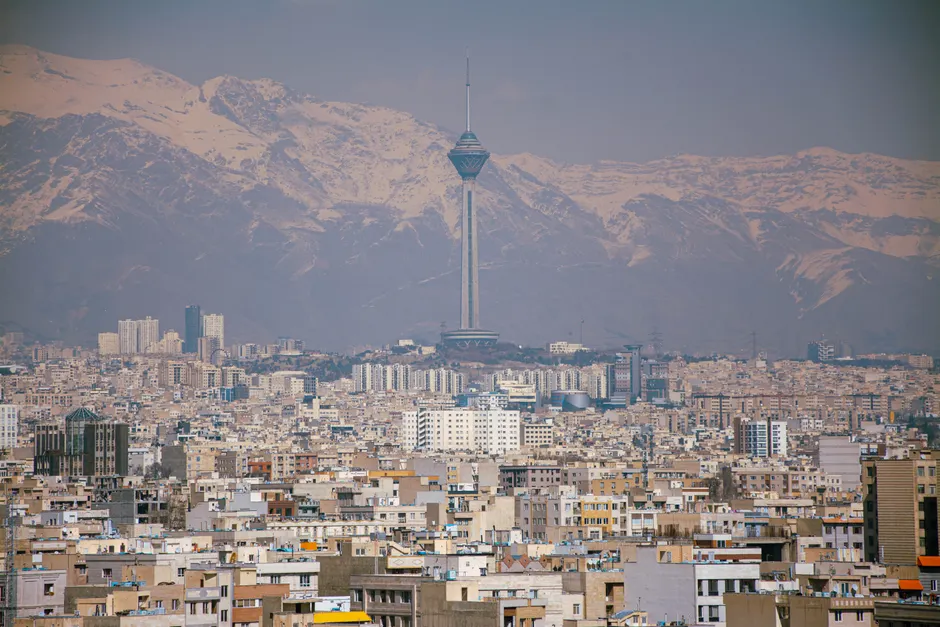
The United States struck targets in Iran on July 8, despite President Trump's earlier promise of a pause in military action for the duration of Ayatollah Ali Khamenei's funeral Al Jazeera. The strikes landed on the same day that Khamenei's funeral procession crossed the border into Iraq, with mourners marching through the holy city of Najaf Reuters.
The six-day mourning period began on Saturday, July 4, and was structured around a sequence of ceremonial stations: funeral prayers in Tehran on July 3, further rites in Qom on July 7, and a day set aside specifically to honor Iraq Al Jazeera CNN. The procession's extension into Najaf, a seat of Shia religious authority outside Iran's borders, ties the succession crisis to the wider network of clerical and political relationships Tehran has cultivated across Iraq since 2003.
Crowd estimates for the Tehran events have varied by source and by day. The New York Times initially reported tens of thousands gathered for funeral prayers The New York Times, a figure the paper's own live coverage later revised upward to hundreds of thousands as the week's events unfolded The New York Times. Reuters reported that the funeral procession through Tehran on July 6 was expected to draw millions Reuters. The spread between these figures reflects both the scale of a multi-day event spanning several cities and the difficulty of independently verifying attendance in a country where state media manages the narrative around public gatherings.
The New York Times reported calls for revenge among mourners at the funeral prayers The New York Times. That rhetoric sits uneasily against the Washington Post's characterization of the entire event as a "highly scripted show of public mourning and fury" The Washington Post — a description that points to the Islamic Republic's long-standing practice of using state funerals as instruments of political messaging, not merely occasions of grief.
Succession dynamics have drawn particular scrutiny. Three sons of the late supreme leader appeared publicly at the funeral, but Mojtaba Khamenei, the son most frequently named in speculation as a potential successor, did not make a public appearance Reuters. His absence has been read by outside observers as either a deliberate distancing from dynastic speculation or a security calculation, though Iranian authorities have offered no public explanation. The Assembly of Experts, the clerical body constitutionally tasked with selecting a new supreme leader, has not yet announced its process publicly.
Access for foreign press has been unusually open by the standards of the Islamic Republic. The Washington Post confirmed it was among outlets granted rare visas to report from inside Iran during the funeral period, though its correspondents operated under restricted conditions typical of state-supervised coverage The Washington Post. That access has allowed a degree of independent visual documentation of Tehran's streets during the mourning period that would have been difficult to obtain under normal Iranian press restrictions.
The decision to continue strikes through a declared pause carries its own weight regardless of tactical justification. A promised cessation of hostilities during a funeral period functions, in diplomatic practice, as a signal of restraint tied to religious and cultural sensitivity around death rites — one Iran's negotiating partners and adversaries alike would have registered. Breaking that pause while a funeral procession is still crossing into a third country, Iraq, raises the stakes for Baghdad, which now finds itself hosting mourning rites for a foreign supreme leader while a war involving that leader's state continues next door.
The overlap of funeral diplomacy with active strikes also complicates any reading of Iran's near-term posture. A leadership transition conducted under conditions of ongoing bombardment leaves little space for the sort of internal consolidation that typically accompanies a change of supreme leader. Whatever process the Assembly of Experts eventually settles on will unfold against a security environment shaped as much by battlefield developments as by clerical deliberation, and any successor will inherit both the institutional authority of the office and an active conflict not of their making.
What happens in Najaf and across the Iraqi leg of the funeral procession in the coming days will offer an early indication of how far Tehran intends to project this moment of mourning as a regional statement, rather than a purely domestic Iranian affair. </content>


