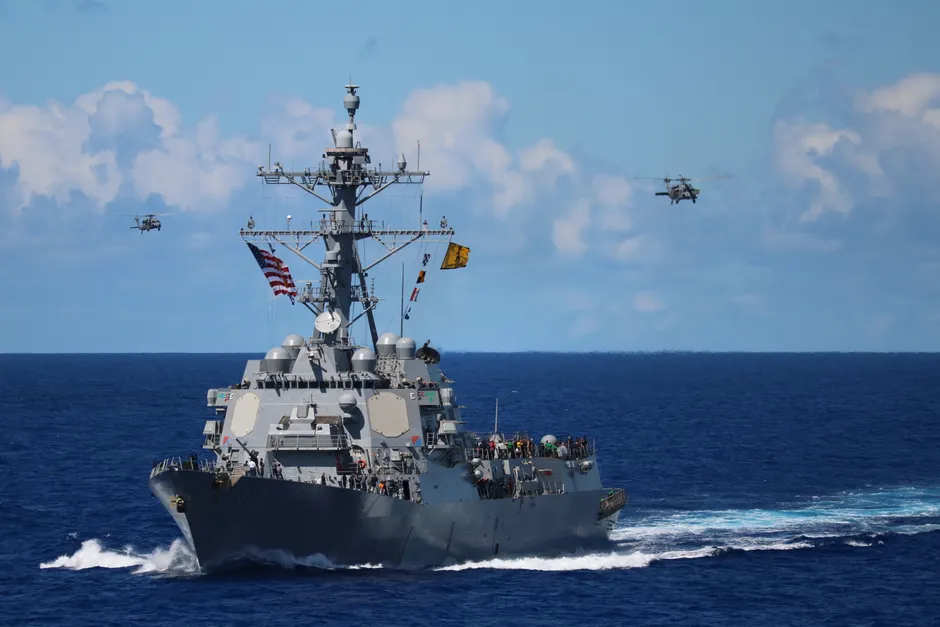
Iran Strikes 85 US Targets in Kuwait, Bahrain as Ceasefire Unravels
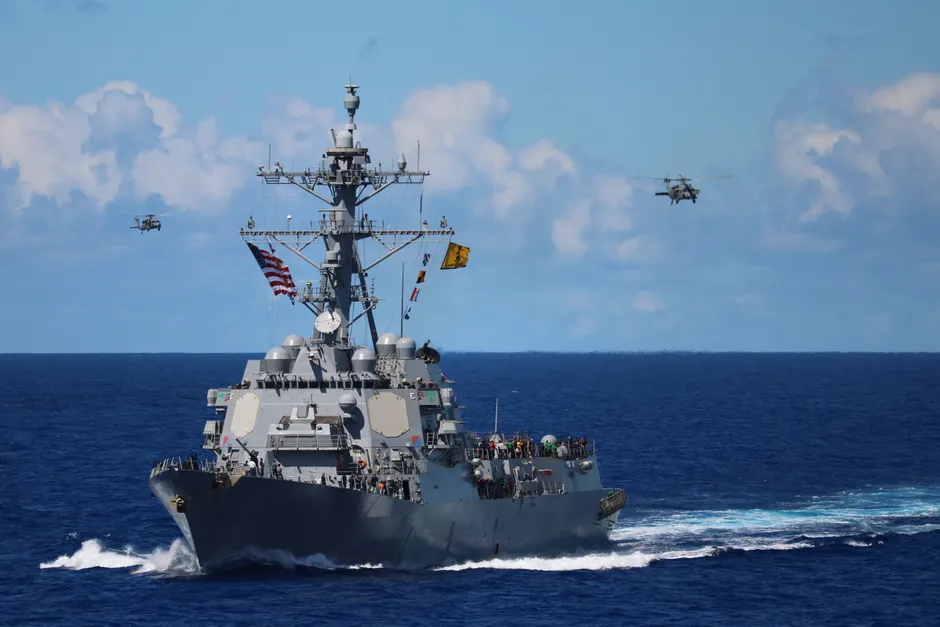
Iranian forces struck 85 US military targets in Kuwait and Bahrain on July 8, 2026, in what the IRGC described as an initial retaliation for American strikes on southern Iran. The Iranian Army said the operation followed US attacks that came after three ships were hit in the Strait of Hormuz, an escalation that has now put the June 27 US-Iran truce in serious doubt PressTV, triblive.com.
Kuwaiti authorities said they intercepted two ballistic missiles and 13 drones during the barrage, an interception rate that suggests layered air defense held despite the volume of the attack AP News. The IRGC separately claimed it downed a US MQ-9 Reaper drone during the exchange, though that claim has not been independently corroborated PressTV. Iran's Army, in a statement carried by state media, called the origin of American military support in the region "legitimate" targets, language that reflects Tehran's long-standing position that host nations bear responsibility for facilities used to strike Iranian territory IRNA.
President Trump said the interim accord meant to end the war was "over" following the strikes, a declaration that, if it holds, would end a truce reached less than two weeks earlier Reuters. That June 27 agreement, brokered to halt attacks and restart negotiations, had already looked fragile; Trump had spent much of June accusing Iran of stalling and misrepresenting draft terms even as he publicly floated a pause in bombing KUNA, KUNA.
The July 8 exchange is not an isolated episode but the latest in a sequence stretching back to early June. On June 6, the IRGC said it hit US bases in Kuwait and key remaining facilities of the US Navy's Fifth Fleet in Bahrain, in response to a US drone strike on Iranian radar installations IRNA, PressTV. On June 11, the IRGC and Army struck 18 targets across two missile waves, with drones hitting the Fifth Fleet in Bahrain and Ahmad al-Jaber airbase in Kuwait among the sites named PressTV. By June 28, the IRGC was again describing a "missile and drone operation" as retaliatory, this time framed explicitly as a response to US attacks rather than the initiating act IRNA.
Camp Arifjan in Kuwait, which the Iranian Army has identified as the primary support base for US armored vehicles and a hub for infantry and field support brigades, has figured repeatedly in Iranian targeting rhetoric across this campaign IRNA. Kuwait has absorbed collateral damage well beyond military installations. Iranian strikes around June 3 damaged the country's international airport, killing one person and injuring more than 60, according to Kuwaiti authorities Reuters. US officials at the time characterized the wider Iranian strike effort as having largely failed, a claim that sits uneasily alongside Kuwait's own casualty figures and the IRGC's much larger claimed target counts a month later.
The domestic toll inside Iran has been substantial by any independent measure available. As of early April, more than 125,630 civilian structures had been damaged across the country, according to figures Iranian officials have cited in demanding accountability from "all states involved" in what Tehran calls US-Israeli aggression IRNA. The IAEA, for its part, said in early March it had no indications of damage to Iranian nuclear facilities, a narrower and more technical assessment that has not been superseded by any later IAEA statement in the available record KUNA. Switzerland's expression of alarm over the US and Israeli strikes in late February reflects the diplomatic unease that predates the current round of escalation by months KUNA.
What distinguishes the current moment from the June cycles is the explicit collapse of a negotiated off-ramp. The pattern since February has been one of strike, counter-strike, brief diplomatic opening, then relapse — each round nominally larger or more precisely enumerated than the last, from June 6's unspecified salvo to June 11's 18 targets to July 8's claimed 85. Whether that escalation in target counts reflects genuine operational scaling or simply more assertive Iranian public messaging is not something outside sources have verified independently.
The strait attacks that preceded the July 8 US strikes on Iran add a maritime dimension that had been largely absent from the base-to-base exchanges of June. Three ships hit in the Strait of Hormuz raises the stakes for global shipping and insurance markets well beyond the bilateral US-Iran military calculus, since Hormuz carries a substantial share of the world's seaborne oil traffic. Trump's declaration that the ceasefire is "over" now leaves both governments without the negotiating framework that had, however briefly, paused hostilities in late June. Whether Kuwait and Bahrain, as host nations rather than combatants, continue to absorb the physical and diplomatic cost of that framework's failure is likely to shape how Gulf states position themselves in any renewed talks.