Oil Surges, Bonds Fall as Iran-US Conflict Escalates Into Third Day

Asian equities traded mostly lower on July 9, 2026, as oil prices jumped following fresh attacks by Iran and the United States in the Middle East Washington Post. The moves extended a three-session run in which crude has repriced faster than equities, and where the bond market has started to register the same shock through higher yields rather than the usual flight-to-safety bid.
The escalation has been building since the U.S. revoked its general license for Iranian oil exports on July 7, a step that removed a legal channel for third-country buyers and immediately tightened the physical market's perception of available supply Reuters. Brent crude settled that day up 5.43% at $78.19 a barrel, then added a further $1.72 in post-settlement trade to reach $75.88 — the sequencing reflects a late-session repricing after the license revocation hit the wires, with the settlement figure understating where the barrel actually traded into the close CNBC Reuters. WTI moved in step, up $1.76 to $72.20 in the same post-settlement window. Traders should treat the CNBC settlement print and the Reuters post-settlement figure as sequential, not contradictory: crude kept bidding after the futures close as the license news digested.
The Dow fell more than 570 points on July 7 as the oil spike hit alongside broader weakness across Asia-Pacific indices CNBC. The following day brought a second catalyst: President Trump said the Iran nuclear deal is "over," a statement that erased any residual hope of a near-term de-escalation path and sent U.S. futures down further before the cash session, with oil continuing to climb Reuters. The S&P 500 closed lower on July 8 in direct response. On the same day, the IMF cut its 2026 global growth forecast to 3%, a downgrade that ties directly into the energy shock — higher input costs for oil-importing economies, tighter financial conditions, and the drag of sustained geopolitical risk premium on trade and investment flows Reuters.
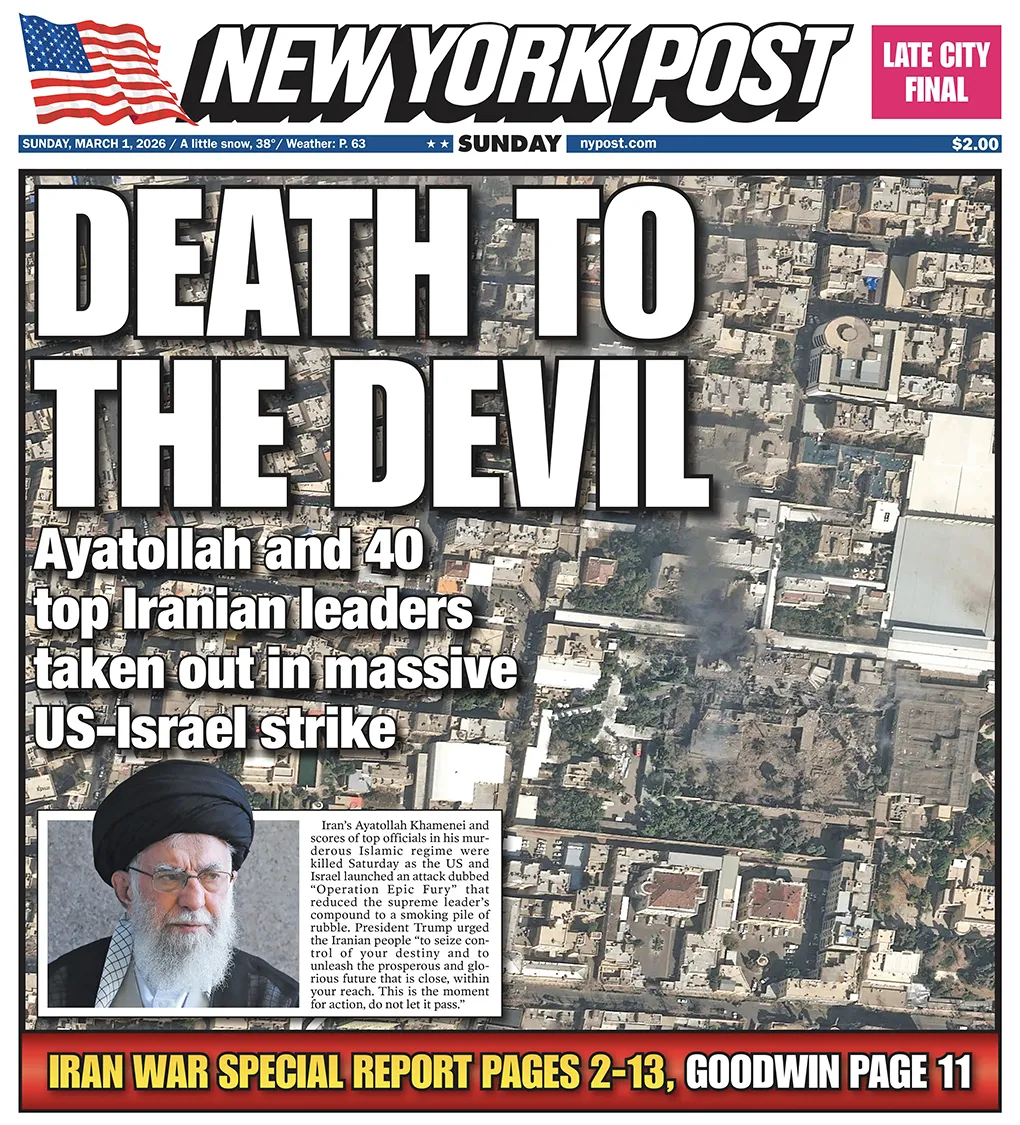
US strikes against targets in Iran continued into a second consecutive day on July 8, according to Bloomberg's oil market coverage, confirming this is now a sustained military campaign rather than a single retaliatory episode Bloomberg. That distinction matters for anyone pricing forward curves or hedging refinery margins: a one-off strike gets faded by markets within days; a multi-day campaign forces a repricing of geopolitical risk premium that tends to persist until there's a clear off-ramp.
The bond market move is the part worth dwelling on. Government bonds fell on July 8 even as oil prices rose and equities sold off Bloomberg. In a classic risk-off episode, sovereign debt rallies as investors seek safety and yields compress. Here, bonds fell — meaning yields rose — in tandem with the equity selloff. That combination points toward an inflation-driven repricing rather than a pure growth scare: the market appears to be treating the oil shock as a threat to the inflation outlook and, by extension, to the path of monetary policy, rather than as a deflationary demand shock that would normally justify duration buying.
That's the more interesting story here than the headline index moves. A stagflationary cocktail — weaker growth, per the IMF's downward revision, alongside an energy-driven inflation impulse — is a genuinely awkward setup for central banks already navigating post-pandemic policy normalization. Rate-cut expectations priced into futures curves before this week would need re-examining if the crude move holds; a sustained run above $75 Brent tends to feed into headline inflation prints within one to two quarters depending on pass-through speeds across economies.
None of this tells you where oil settles next week, and it's worth being clear-eyed about that. Geopolitical risk premium is notoriously difficult to model — it can evaporate on a ceasefire headline as fast as it built, or it can compound if the conflict widens to touch shipping lanes through the Strait of Hormuz, which has not yet been reported as disrupted in any of the current sourcing. What's verifiable right now is the sequence: license revocation, two days of strikes, a presidential statement closing off the diplomatic track, and a growth downgrade landing squarely in the middle of it. The market reaction across equities, oil, and bonds through July 9 is consistent with that sequence. What happens to the risk premium from here depends entirely on decisions not yet made.