Oil's Geopolitical Risk Premium Fades as Strait of Hormuz Disruption Gets Priced In

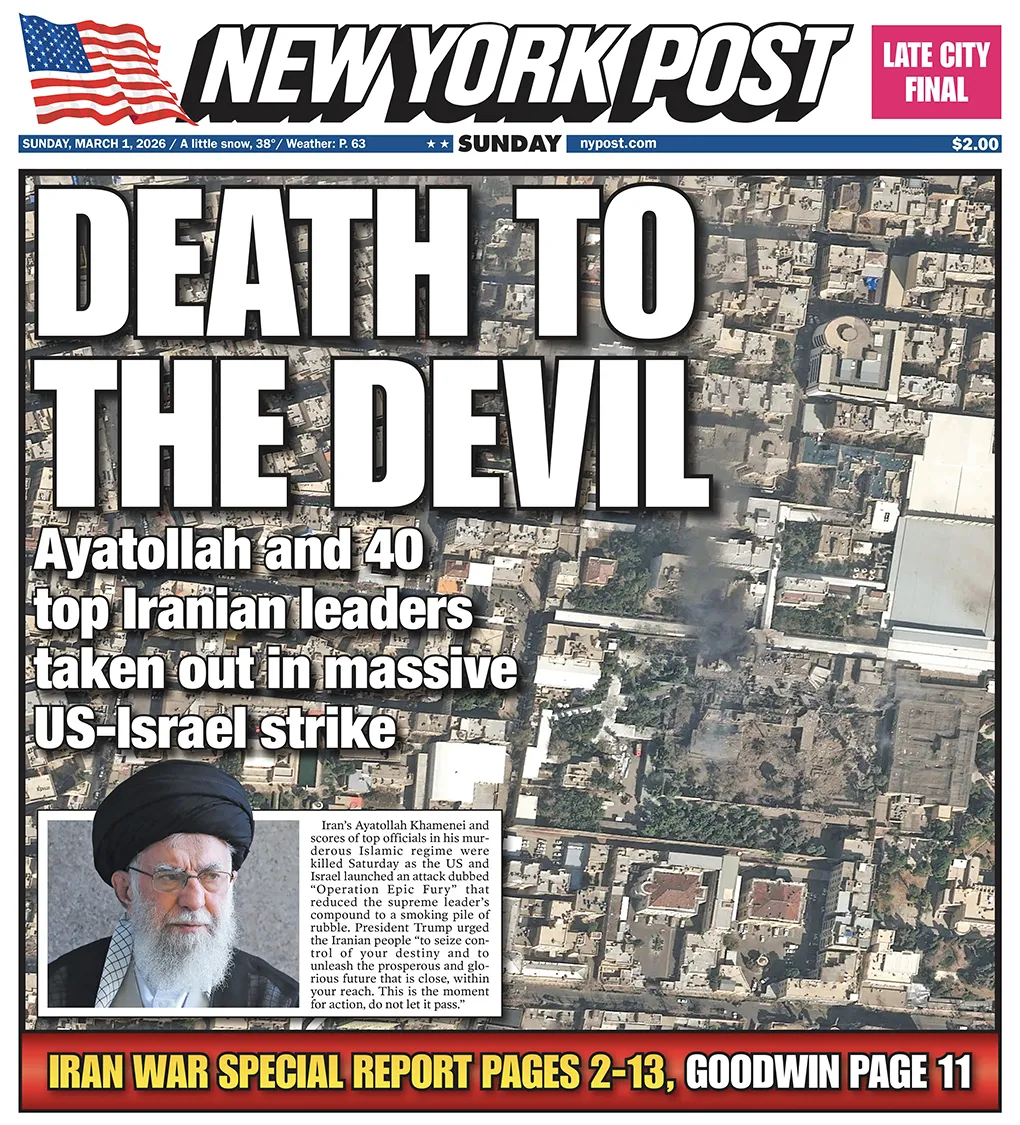
Brent crude futures fell $1.11, or 1.31%, to $83.62 a barrel on July 15, 2026, shrugging off a fresh wave of U.S. strikes against Iranian military installations despite their escalation of the ongoing conflict between Washington and Tehran Reuters. The pullback came a day after prices settled up 2% at a one-month high, and just two days after a near-9% surge that re-anchored the global crude benchmark above $83.
The price action this week traces a familiar pattern for markets navigating geopolitical supply shocks: a violent repricing on the initial disruption, followed by rapid erosion of the risk premium as traders assess whether physical flows are actually impaired. Brent had spiked as high as $126 per barrel earlier in the U.S.-Iran conflict — a four-year high — before retreating. By July 6, 2026, the benchmark had settled at $71.99, described as pre-war levels, alongside WTI at $68.55 Reuters. The current conflict re-ignition has lifted Brent roughly $12 above that floor, but remains well below the panic extremes seen earlier in the cycle.
The catalyst for the latest leg of volatility was a weekend of military exchanges that began on July 12–13. On July 13, Brent crude futures settled up $7.29, or 9.59%, to $83.30 a barrel; WTI settled at $78.14 Reuters. The following day, July 14, the United States reimposed a naval blockade on Iran Reuters, and prices climbed to a one-month high. Natural gas prices also rose that day alongside crude, reflecting a broad energy complex response to the Strait of Hormuz disruption The Guardian.
Several structural shifts in the crude market accompanied the price spike. Prompt Middle East spot crude prices strengthened to premium levels relative to future-month contracts on July 14, in a classic backwardation signal indicating immediate supply tightness Reuters. The Brent futures curve structure itself shifted to reflect mounting supply disruption risk from the escalating U.S.-Iran tensions Reuters. Both signals indicate that physical traders were pricing genuine flow disruption, not just speculative momentum.
By July 15, however, the market was already discounting further escalation. Prices fell despite the latest U.S. strikes on Iranian military installations. That divergence — prices declining even as attacks intensified — suggests traders had largely priced the supply-disruption scenario by the prior session's close and were unwilling to bid higher without evidence of sustained flow impairment through the Strait of Hormuz.
The broader context here is a market that has already absorbed one full cycle of U.S.-Iran conflict and found its equilibrium below the initial panic levels. OPEC+ agreed to raise output targets as of July 6, which helped anchor prices at pre-war levels before the weekend's events. Saudi Arabia separately cut its Arab Light crude price for Asian buyers to $1.50 below the Oman/Dubai average in early July Reuters — a sign that, before the latest escalation, the physical market was well-supplied enough for the world's largest exporter to discount into its primary demand basin.
For market participants, the key tension is between a futures curve that has structurally shifted to price disruption risk and a spot market that has already weathered one conflict cycle without losing access to Iranian barrels for more than a brief interval. The July 15 selloff indicates the market is currently betting on the latter — that the blockade and strikes will not translate into a durable loss of supply. If that assessment proves wrong and Strait of Hormuz transits are materially impaired for an extended period, the backwardation in the Brent curve and the strength in Middle East spot differentials are already signaling where the next repricing will originate.