Mosque Effigy on Tyrone Loyalist Bonfire Sparks Arrest, Cross-Party Condemnation
Mosque effigy on Tyrone bonfire prompts arrest, condemnation
A loyalist bonfire in Moygashel, County Tyrone, has drawn police attention and cross-party condemnation after organisers topped a tower of wooden pallets with an effigy of a mosque, set to be burned on Friday night as part of Twelfth of July commemorations The Guardian. Placards fixed beneath the structure read "secure our borders" and "end the threat of radical Islam." A 56-year-old man has been arrested on suspicion of displaying threatening, abusive or insulting material intended to stir up hatred, and remained in custody as of Thursday, according to the Guardian's reporting.
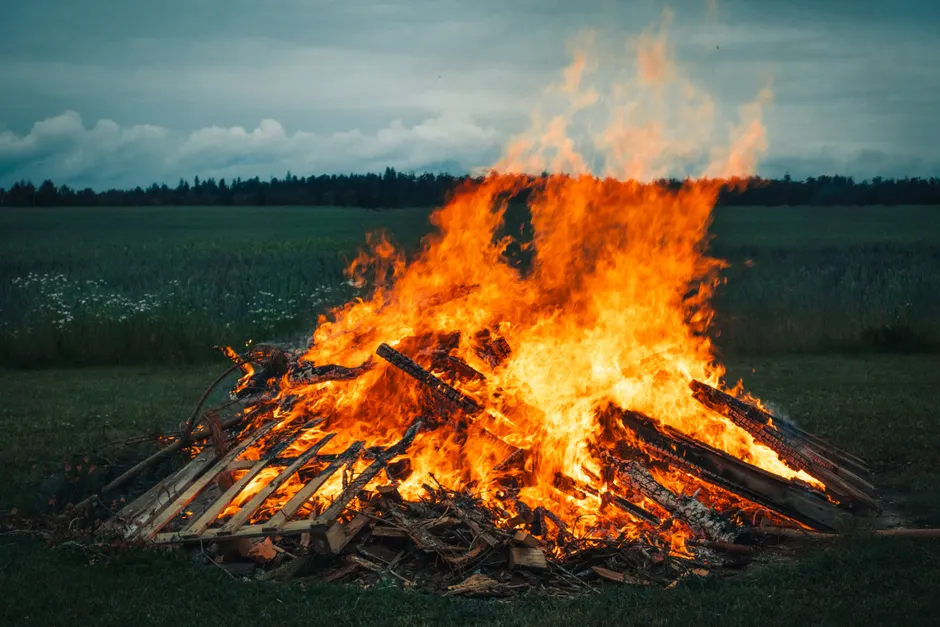
The Twelfth marks King William III's 1690 victory at the Battle of the Boyne, and roughly 300 bonfires are lit across Northern Ireland each year to mark it. Bonfires have long doubled as sites of contested political expression — flags, effigies and slogans routinely appear atop the pallet towers in the days before burning, often triggering complaints under hate crime or public order statutes even as organisers invoke free expression protections.
The Moygashel Bonfire Association, in a statement posted to Facebook, described the mosque effigy as a "political protest" against "uncontrolled illegal mass immigration" and a "failure to deport" foreign nationals convicted of crimes, and cited Article 10 of the European Convention on Human Rights — the provision guaranteeing freedom of expression — as justification. The same association burned an effigy the previous year depicting dark-skinned, lifesize mannequins wearing lifejackets seated in a boat, an image widely read as a depiction of migrants crossing by sea.
The bonfire follows a related episode in Moygashel weeks earlier. In June 2026, police removed a "Muslims not welcome" banner from a children's playground in the village, with similar banners reported at nearby sites, per the Guardian's account. Taken together, the playground banner and the mosque effigy form a pattern of anti-Muslim messaging concentrated in this single Tyrone village over consecutive weeks, distinct from the broader universe of contentious bonfire displays elsewhere in the region.
Political reaction has been swift and largely one-directional. Colm Gildernew, the Sinn Féin MLA for Fermanagh and South Tyrone, called the effigy a hate crime. Eóin Tennyson of the Alliance Party wrote on social media that the bonfire amounted to "an annual shrine to racism and hate" Eóin Tennyson. Amnesty International's Northern Ireland director, Patrick Corrigan, condemned the display and called on police to investigate it as a potential crime. The BBC separately reported that the Democratic Unionist Party issued its own statement addressing the incident, placing a unionist party alongside nationalist, cross-community and human rights voices in publicly responding to the same bonfire BBC News.
The Northern Ireland case sits alongside a parallel development in the Republic. Three men have admitted in court to involvement in a plot to set fire to a mosque in County Galway in 2025; they are scheduled to be sentenced in October 2026, the Guardian noted. The Galway case involved an alleged attempt at actual arson against a functioning place of worship, a materially different act from a symbolic effigy burned atop a cultural bonfire — but both cases land in the same news cycle and both concern targeting of Muslim communities on the island of Ireland, feeding into a broader conversation about anti-Muslim sentiment north and south of the border.
Legally, the Moygashel case will likely turn on where prosecutors and, ultimately, courts draw the line between protected political expression and incitement to hatred. Article 10 of the ECHR protects freedom of expression but is not absolute — it permits restrictions necessary in a democratic society for purposes including the prevention of disorder or protection of the rights of others, and UK domestic law separately criminalises material intended to stir up religious hatred. The bonfire association's invocation of Article 10 previews the likely defense should charges proceed beyond the initial arrest; how Police Service of Northern Ireland investigators and prosecutors weigh symbolic effigy displays against that threshold has been a recurring and unresolved question in Northern Ireland's bonfire disputes for years, predating this particular effigy.
What distinguishes this year's Moygashel display from prior controversies is the specificity of its target and the explicit textual framing. Previous bonfire effigies and banners in the area have gestured at migration broadly; the pairing of a mosque replica with slogans naming "radical Islam" narrows the target to a religious community specifically, which is precisely why Gildernew, Corrigan and others have framed it as a hate crime rather than a generic immigration protest. Whether the Public Prosecution Service pursues charges against the arrested man, and on what basis, will be the next concrete marker in a story that otherwise recurs, in some form, most Julys.