AI Investors Race for Protection as Hedging Demand Climbs
Investors are racing to buy insurance on their artificial intelligence exposure, according to a Wall Street Journal article published November 1, 2026 under the headline "AI Investors Are Racing to Get Insurance on the Biggest Market Bet in History." The piece is the latest in a run of coverage that has moved the AI trade from a question of returns to a question of how to hedge it.
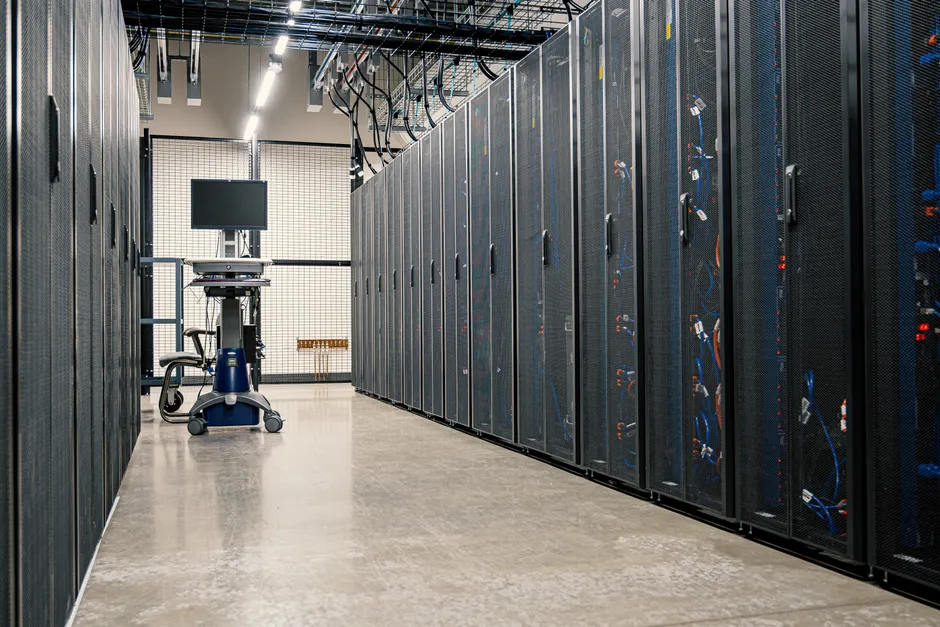
The idea of insurance has been building for weeks. In mid-October the Journal ran a separate piece, "AI Runs Into Its Next Big Obstacle: Insurance," in which broker Aon described AI data centers as "the insurance market's biggest ever opportunity." For the underwriting side, that is a large new line of business. For the investors who own the underlying capacity, it is a reminder that a data center build-out is a set of physical and contractual exposures, not only a stock price.
The market mood has swung sharply in the same window. Reuters reported that worries over who would get paid for AI demand made investors far less forgiving in trading. A week later, the same wire described investors continuing to ride AI optimism that had emerged from the prior week's gloom, with a tech-led rally lifting U.S. stocks, as reported on October 28. Reuters also reported a significant selloff in AI-related stocks, which it linked to fears about funding challenges from higher interest rates. The pattern is one of sharp drawdowns followed by relief rallies, which is exactly the environment in which option premiums get expensive.
The hedging instruments are where this gets technical. Bloomberg reported in May that tech-bubble fear was luring investors toward exotic options. Two structures stood out. The first was the lookback put, whose strike resets higher as the underlying rallies, locking in gains for the holder. The second was the put spread, where investors expanded their use of paired long and short puts to cap the cost of downside protection. Both are cheaper than a plain vanilla put in some configurations, and both carry their own path dependence. A lookback put is worth more the more the stock has run before it falls, which is the scenario hedgers are paying for. A put spread caps protection at the lower strike, so a crash beyond that level is uninsured.
The positioning cost showed up in fund performance. Reuters reported that global hedge funds suffered steep losses in the week of October 16, 2026, as a sharp unwind of AI bets hit them, with Asia-focused funds hit hardest. That is a useful data point for anyone sizing AI exposure. Crowded long positions in the same names tend to unwind together, and the hedges that were supposed to cushion the book often arrive late or at prices that have already moved.
This is not the first time the group has been caught. In February 2026, Bloomberg reported that an AI-driven rotation dealt stock hedge funds their worst day in months, as worries about the impact of artificial intelligence rattled their strategies. Bloomberg also reported that equity option traders were looking for the market to break out of inertia ahead of tech company earnings and a Federal Reserve meeting in October, with hedge funds packed into dispersion trades. A dispersion trade bets on the gap between index volatility and the volatility of its constituents, so crowding into it leaves the same funds exposed to correlation spikes.
For practitioners, the question the insurance framing raises is who is on the other side. Insurance is only as good as the capital behind it. If hedge demand concentrates in a few names, a few strikes and a few expiries, the dealers and underwriters writing that protection carry the convexity, and they will reprice quickly after a move. Premium spent on protection is also a drag on returns if the feared drawdown never arrives, which is the basic arithmetic of any hedge. The useful test is not whether a hedge exists, but what it costs, what it covers, and whether it is still in place when the market gaps.
The market has moved between fear of who pays for AI demand and enthusiasm about the next leg up, with hedging demand rising alongside both. For expert readers, that combination is the signal worth tracking: rising demand for convex protection, paired with fund losses that arrive when crowded trades unwind.