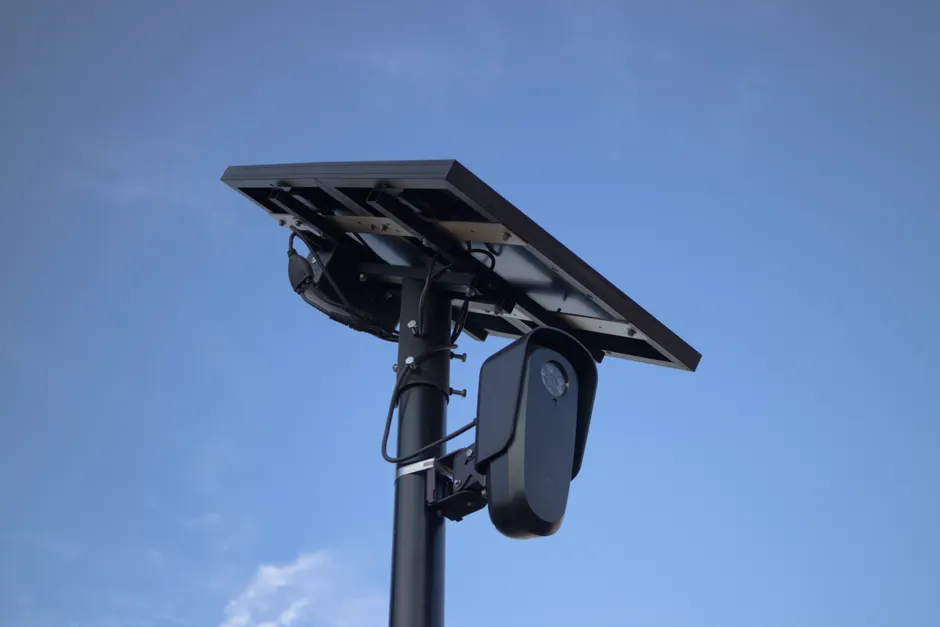
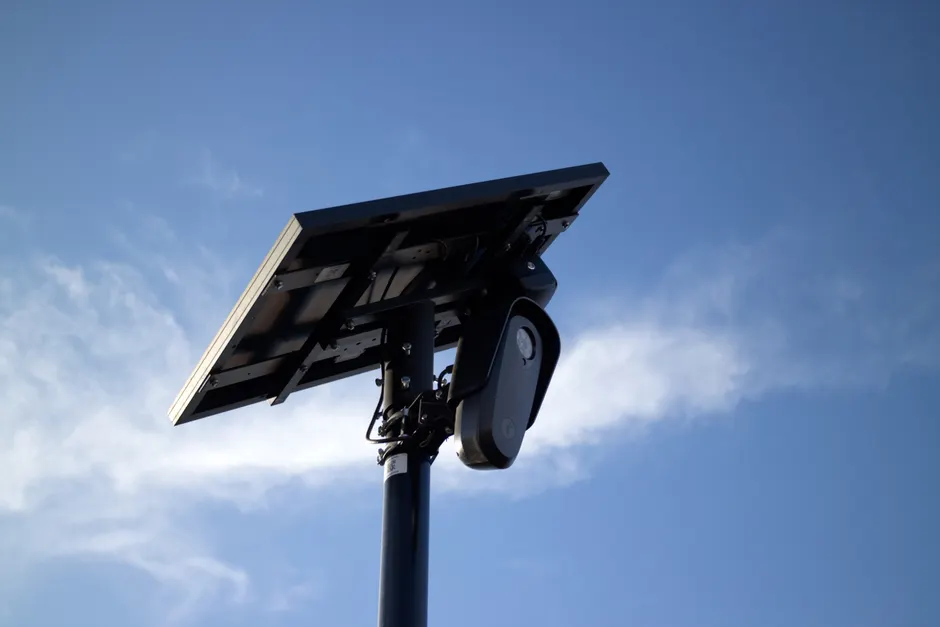
Flock Safety Disavows Forged Cease-and-Desist Letters After Viral Post
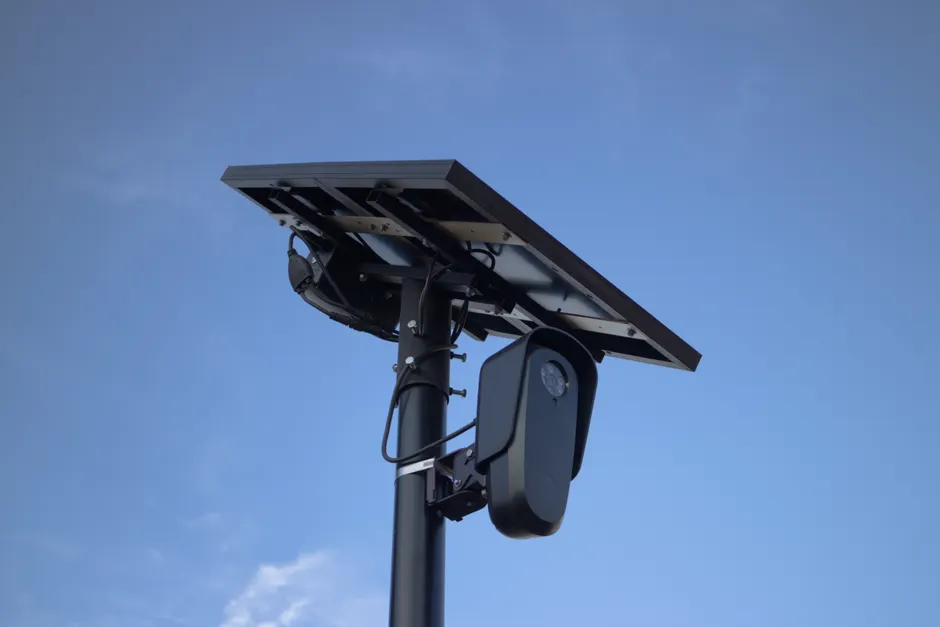
Flock Safety says at least two forged cease-and-desist letters bearing its name are circulating online, after a viral Instagram post showed what appeared to be legal correspondence from the surveillance-camera company demanding a stop to public criticism of its technology. The company told The Verge the letters did not originate from its legal department or anyone else at Flock The Verge.
The Instagram post that triggered the scrutiny displayed a letter styled as a formal cease-and-desist, ostensibly sent by Flock's legal team to a group that had been organizing discussion or activism around the company's automated license plate reader (ALPR) network. Flock's ALPR systems have become a recurring flashpoint in debates over municipal surveillance infrastructure, data retention policies, and law-enforcement access to privately deployed camera feeds, so a document suggesting the company was trying to legally suppress that debate spread quickly.
Flock's statement to The Verge directly disputes the letter's authenticity and, notably, extends beyond a simple denial. The company said it "welcomes and encourages public debate about its technology" and that it "has not and would not seek to discourage, prevent, or prohibit discussion and debate" about its products The Verge. Flock went further, telling the outlet it would be "happy to participate in future discussions" the group in question might host — an offer to engage directly with critics rather than distance itself from the controversy.
The company's disclosure that there are at least two such forged letters, rather than a single isolated incident, is the detail that changes the shape of this story. A one-off fake document could be dismissed as an isolated prank or a poorly sourced social post. Two independently circulating forgeries purporting to come from the same legal department suggest either a repeated tactic by one actor or copycat activity once the template proved effective at generating attention.
Nothing in Flock's public statement identifies who produced the letters, how they were distributed beyond the viral Instagram post, or what motive lies behind them. The Verge's reporting does not specify the substance of the group's original criticism, the exact wording of the fake cease-and-desist, or whether Flock has pursued any legal or platform-level action — such as a takedown request to Meta — in response to the forgeries. Those gaps leave open several reporting threads: whether the letters were crafted to embarrass Flock by making it appear censorious, to legitimately intimidate the recipient group regardless of authorship, or some combination of both.
The forged-letter tactic sits inside a broader and fairly well-established pattern in disputes over corporate reputation: fabricated legal threats, whether cease-and-desists, DMCA notices, or subpoenas, have periodically surfaced as tools to either chill speech or to manufacture a narrative of censorship against a company that never sent them. What distinguishes this case is the direction of the fabrication. Rather than a company using an overreaching legal threat to suppress critics — the more familiar Streisand-effect scenario — someone appears to have invented a threat and attributed it to Flock, which then had to publicly disclaim it.
Flock Safety has been a recurring subject of scrutiny well before this incident, given its position operating one of the largest privately run ALPR networks used by police departments and, increasingly, private communities and businesses across the United States. Questions about who can query the data, how long images are retained, and whether local law enforcement agreements meet transparency standards have generated sustained pushback from privacy advocates and some local officials. That existing tension is likely part of why a screenshot alleging corporate censorship found a receptive audience quickly, even before its authenticity was established.
The episode is also a reminder of how thin the verification layer around viral legal-document screenshots remains. A single Instagram post, absent letterhead verification, a named recipient willing to go on record, or independent confirmation from Flock, was sufficient to generate a controversy that required a formal on-record rebuttal from the company involved. Newsrooms and readers alike have limited tools to authenticate such documents in real time, and the incentive structure of social platforms rewards speed of sharing over verification.
Flock's public posture in its statement — inviting continued criticism and offering to join future discussions rather than retreating from the story — is a notable choice for a company operating in a politically sensitive surveillance space. Whether that stated openness translates into concrete engagement with the group behind the original criticism, and whether Flock identifies or takes action against whoever produced the forged letters, remains to be reported.