US-Iran Ceasefire Collapses Again as Strikes Resume Over Hormuz

The ceasefire between the United States and Iran unraveled again this week, with both sides trading strikes for the second time in less than two weeks and the Strait of Hormuz emerging once more as the fulcrum of the confrontation. The New York Times reported the truce breaking down on July 12, and by July 13 the U.S. military said its latest wave of strikes on Iran had concluded, insisting that Tehran does not control the strait despite its claims to the contrary, per AP News.
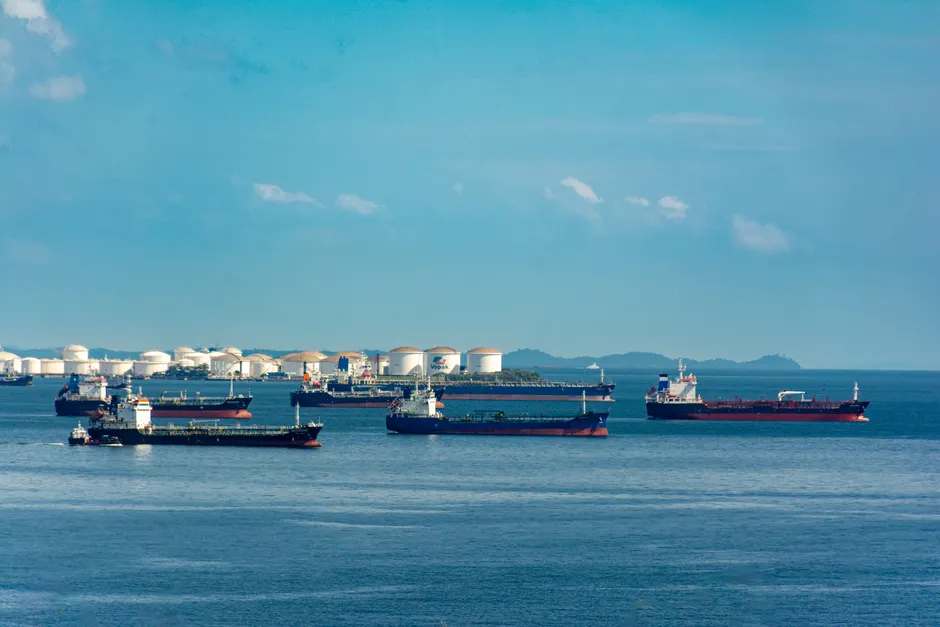
The immediate trigger was maritime. Iran fired on a ship in the Strait of Hormuz on July 11 and declared the waterway closed, prompting US military strikes in response, according to CNN. Trump dismissed the closure claim outright — "Yeah, it's open," he said, per the same Times live coverage — a line that has become something of a refrain from Washington whenever Tehran asserts control over the chokepoint. CENTCOM has framed the renewed strikes as directed by Trump "to hold Iranian forces accountable," according to NBC News. By July 13, Reuters reported Iran had escalated attacks on US bases across Gulf states and warned of further incidents in the strait. The Guardian described heavy missile and drone exchanges over control of the waterway on the same day.
This is not the first breach of the ceasefire, nor the first crisis over Hormuz since the truce nominally took hold. Iran struck three ships in the strait in early July, which the US cited as the trigger for launching military strikes and for revoking Iran's oil sale permission, per AP News. Reuters reported on July 7 that the US had launched new strikes after reinstating oil sanctions, with Iran saying no talks were possible unless Trump halted operations, following millions marching in support of the ayatollah. Only days before that, on July 1, Qatar had brokered an agreement — per AP News — to reopen the strait and extend the ceasefire. That the extension lasted barely a week illustrates how fragile the arrangement has been from the outset.
The pattern traces back further, to the June ceasefire itself. Trump declared that truce over in early July, per Britannica's chronology, which also notes Iran continued attacking shipping after the June ceasefire took effect. The underlying agreement, per a White House release from June 19, required Iran to abandon its nuclear program entirely — a term that Iranian statements tracked by the Institute for the Study of War indicated was already at odds with Tehran's own stated positions as early as June 13. In other words, the memorandum of understanding was contested almost from the moment it existed, and the ceasefire built atop it inherited that instability.
Washington's legal justification for military action against Iran predates this latest round by months. In April, the State Department's Office of the Legal Adviser published an analysis on "Operation Epic Fury and International Law," characterizing Iranian conduct as part of "a clear pattern of unprovoked aggression and direct and proxy attacks against Israel," per the State Department. That same month, Trump directed a naval blockade intended to counter Iranian aggression and restore safe passage through Hormuz, according to a White House release. The legal and military architecture for confronting Iran in the strait, then, was in place well before the ceasefire cycle of June and July began — and has been repeatedly invoked as strikes resumed.
Regional diplomacy has moved in parallel. The US and the Gulf Cooperation Council convened a ministerial meeting in Manama on June 25, per a joint statement from the State Department — a session that came amid, not after, the volatility in the strait, underscoring how Gulf states have had to manage their own exposure to a conflict playing out largely in their territorial waters. US officials on July 10 demanded Iran publicly commit to halting attacks on shipping and to guaranteeing open lanes, according to Reuters — a demand that, given the events of the following three days, went unmet.
The commercial toll is now measurable. Shipping traffic through Hormuz fell to a multi-week low as of July 12 amid the renewed strikes, per Reuters, and oil prices jumped more than 4% on July 13 as the strait's role in global energy shipments came back into focus, according to Reuters. Roughly a fifth of global oil consumption transits Hormuz on a typical day, which is why traders treat any Iranian threat to the waterway — credible or not — as a pricing event independent of whether the closure claim itself holds up.
What distinguishes this cycle from the broader conflict since April is less the substance of the dispute than its repetition. Each ceasefire has been narrower and shorter-lived than the one before it: April's blockade order, June's nuclear-disarmament memorandum, the July 1 Qatari-brokered extension, and now a truce that lasted roughly ten days before both sides were exchanging fire again. Iran's insistence that the strait is closed, met each time by American assertions that it remains open and under no one's control but international law's, has become the recurring script through which the two sides signal resolve without necessarily committing to full-scale war. Whether that script can hold indefinitely, given the accumulating damage to shipping confidence and oil markets, is the question Gulf capitals and energy traders are now pricing in real time.