SK Hynix Shares Plunge Up to 44% in Seoul as Gulf Conflict Rattles Asian Markets
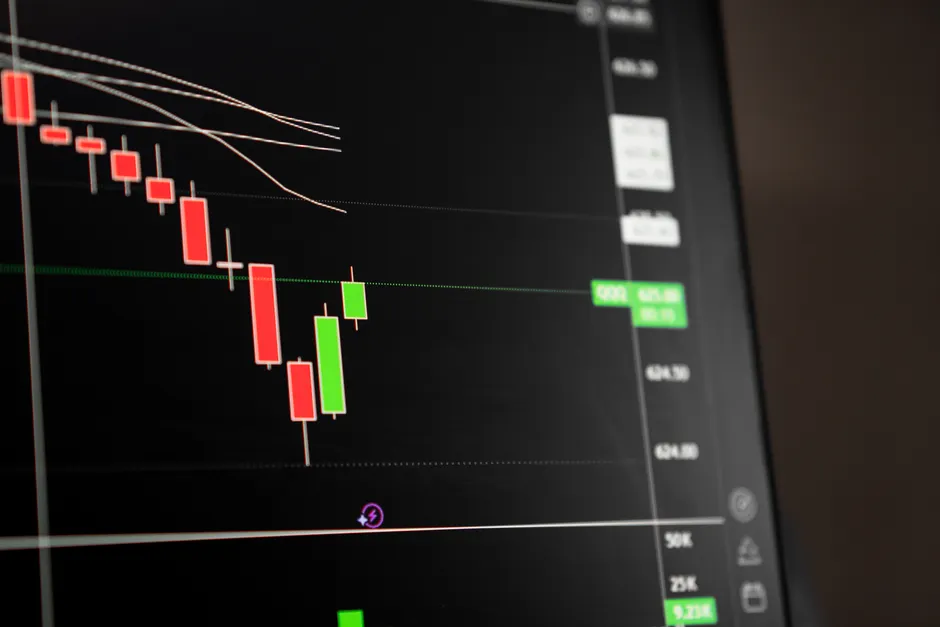
SK Hynix shares fell as much as 44% in Seoul trading on July 13, 2026, days after a strong Nasdaq debut for the chipmaker's American depositary receipts. Reuters attributed the decline to profit-taking and fading earnings optimism. Bloomberg went further, calling it the largest single-day plunge on record for the stock and framing the move as part of a deepening broader South Korea selloff, in a report published at 12:40 AM PDT. Bloomberg
The collapse comes barely a week after SK Hynix priced its US offering. The company sold ADRs at $149 apiece on Thursday, July 9, raising approximately $26.5 billion — a deal more than seven times oversubscribed according to a source cited by Reuters. That total sits below the up-to-$29 billion figure the company had floated when it first announced the listing in June, per a Reuters video report. Even so, the raise stood as the largest US share sale by a foreign issuer as of July 2026, according to Reuters. On debut, the ADRs closed 13% above the offering price, per Reuters.
The mechanics of the listing were tied to a capital increase process the company had disclosed to the Korea Exchange. In a correction filing (acceptance number 20260624000795) lodged with KRX on June 24, SK Hynix stated it intended to set the subscription and payment dates for the capital raise sometime between July 13 and July 20, 2026. That window puts the July 13 share collapse squarely at the start of the settlement period investors had been watching, a timing detail that matters for anyone tracking dilution mechanics and share-count adjustments tied to the offering.
For traders, the arithmetic here is not exotic: a 13% pop on debut followed by a decline described as up to 44% in the underlying Seoul-listed shares implies a reversal that erases the listing premium and then some, though the ADR and the KOSPI-listed common shares are not identical instruments and comparisons across the two require care given currency, listing-venue and float differences. What's notable is less the direction of the move than its scale relative to a deal that was oversubscribed sevenfold just days earlier — a gap between subscription demand and secondary-market follow-through that profit-taking alone doesn't fully explain when the drop is being called record-setting.
The chip stock's slide did not occur in isolation. Asian equities broadly sank on July 13 as fighting intensified in the Gulf region, with Iran claiming to have closed the Strait of Hormuz, according to Reuters. The conflict pushed oil prices sharply higher, a move also reported by Modern Diplomacy, which flagged the risk that renewed energy-price pressure could reignite inflation just as central banks had been signaling comfort with disinflation trends. A separate commentary from Man Group characterized the Gulf conflict as having introduced significant volatility into global energy markets through 2026, a framing consistent with the strait-closure claim and the oil spike reported the same day.
For rates and inflation-linked desks, a credible disruption to Hormuz throughput — the strait carries a substantial share of seaborne oil and LNG trade — reintroduces a supply-side inflation channel that had been largely absent from consensus forecasts this year. Whether the closure claim proves durable or reversible matters enormously for how much of this repricing sticks; markets have priced geopolitical premiums into crude before only to unwind them within weeks once shipping resumed. That uncertainty is precisely why the same session that saw oil spike also saw broad Asian equity weakness rather than a clean sector rotation into energy names.
The SK Hynix drawdown and the Gulf-driven selloff are, strictly speaking, separate stories sharing a tape. But the coincidence of a marquee tech listing unwinding its gains on the same day regional indices absorbed an oil shock illustrates how thin the margin for idiosyncratic corporate news has become when macro risk is elevated. A stock that closed its Nasdaq debut 13% rich had limited cushion against a session where risk appetite was already being repriced downward across the board. Desks running relative-value books on the ADR versus the Seoul-listed shares will be watching whether the settlement window through July 20 brings further volatility tied to the capital-increase mechanics disclosed in the June 24 KRX filing, independent of whatever happens next in the Gulf.