SK Hynix's Nasdaq Debut Turns Into a Seoul Hangover, Rattling Chip Stocks Globally

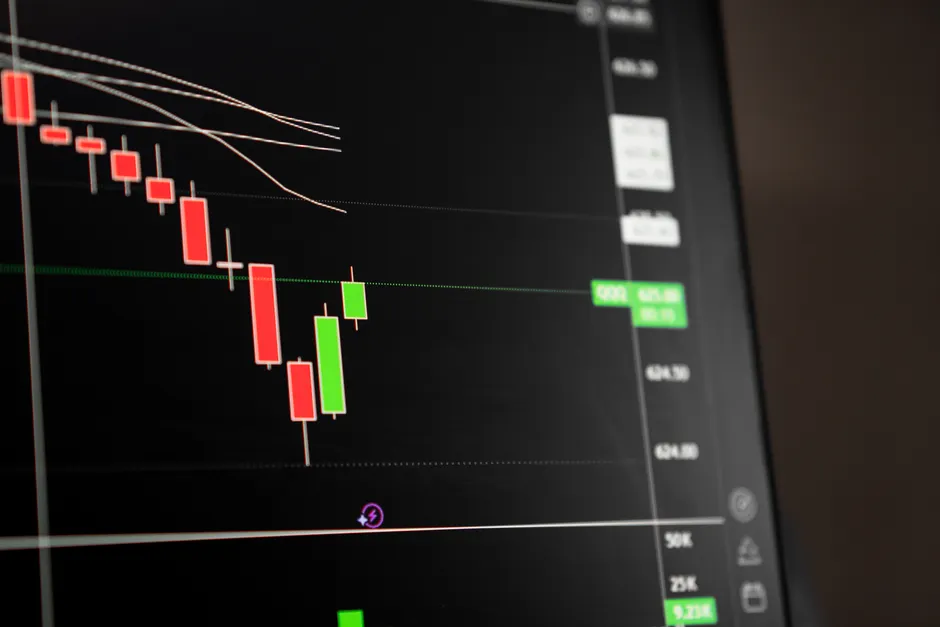
SK Hynix shares fell more than 15% in Seoul on Monday, the stock's worst single-day performance on record, as investors booked profits following the company's Nasdaq debut CNBC. The drop rippled into US trading, with Schwab Network's Market Wrap segment citing the SK Hynix pullback as a factor behind a broader breather in chip stocks, referencing the Philadelphia Semiconductor Index (SOX) directly Schwab Network.
The sequence began July 10, 2026, when SK Hynix's American Depositary Shares surged on their Nasdaq debut. Reuters reported the listing raised over $26 billion Reuters, pricing ADRs at $149 apiece for total proceeds of $26.5 billion, with the deal more than seven times oversubscribed according to a source cited by Reuters Reuters. Bloomberg reported the ADRs opened 14% above the offer price Bloomberg, and CNBC put the deal's headline valuation at $29 billion CNBC-TV18. CNBC reported the stock ultimately closed up 13% on debut day, with SK Hynix's chairman telling reporters "demand is enormous" CNBC.
That enthusiasm didn't survive the week. By July 8, South Korean chip stocks were already sliding after an overnight US selloff tied to AI and memory-pricing concerns, with Samsung and SK Hynix shares down as much as 7.6% and 5.2% intraday, Reuters reported Reuters. CNBC-TV18 subsequently described South Korea's benchmark — the world's best-performing major index in 2026 — as having entered a bear market, with Samsung and SK Hynix both down more than 9% CNBC-TV18. Monday's 15%-plus drop in Seoul extended that reversal into a rout, and Schwab's segment tied the SOX's own soft patch — alongside TSMC's June sales report and a Meta-related item — back to the SK Hynix move.
Reuters had already flagged technical issues at Samsung and SK Hynix in Seoul as a factor when the Nasdaq closed lower around July 20, alongside broader softness in the Philadelphia Semiconductor Index Reuters. The pattern of chip-sector volatility bleeding across the Pacific has been visible in Bloomberg's programming for weeks: "The Close" ran a segment titled "Chip Stocks Rally in AI Trade Revival" on July 6, followed within days by "Chip Stocks Tumble on AI Anxiety" on July 7 Bloomberg, and "Open Interest" aired "Chip Stocks Rally on AI Boom" on July 9 Bloomberg. The whipsaw within a single week captures how thin the market's conviction has become on where memory pricing and AI-driven demand actually settle.
The scale of the run-up that preceded this correction is not in dispute. Fortune reported SK Hynix shares had climbed nearly 800% ahead of the US listing Fortune. Reuters had reported in May that SK Hynix's market cap topped $1 trillion, joining Samsung and Micron in the trillion-dollar club on AI demand, with SK Hynix shares up 215% year-to-date at that point, versus 149% for Samsung and 245% for Micron Reuters. Bloomberg Opinion, writing the day after the debut, argued that memory-chip scarcity had made Micron, SK Hynix, and Samsung "astonishingly profitable" — while framing that scarcity-driven profitability as a setup for future trouble rather than a stable equilibrium Bloomberg Opinion.
Part of the rationale for the Nasdaq listing, according to Reuters, was narrowing SK Hynix's price-to-earnings discount relative to Micron, which trades on a US exchange with a broader, deeper investor base Reuters. That's the mechanical logic of a dual listing: access to US capital typically commands a valuation premium over a Korea-only float, particularly for a company whose customer base — Nvidia, the hyperscalers — is overwhelmingly dollar-denominated. The 14% pop on debut day suggested the market initially bought that thesis.
What's happened since looks like a classic post-IPO unwind rather than a reassessment of AI memory demand itself. A stock up nearly 800% into a listing, then up double digits more on debut day, carries enormous embedded gains for early holders — the kind of position that gets trimmed the moment liquidity allows, regardless of the underlying earnings story. SK Hynix's own IR calendar lists an earnings release dated July 13, which will be the first hard data point since the listing to test whether the memory-pricing cycle Bloomberg Opinion flagged as unsustainable is already cracking, or whether this is simply profit-taking working through an overextended chart. The company continues to point to product execution — its press center has highlighted sample shipments of next-generation 12-layer HBM products — as the underlying demand case, distinct from the volatility in the shares themselves.
For SOX-linked portfolios, the read-through is that a single Korean listing, however large, can now move sentiment across a US benchmark that spans Nvidia, AMD, and equipment names with little direct exposure to SK Hynix's cap table. That's a liquidity and correlation story as much as a fundamentals one, and it's worth separating the two before drawing conclusions about the memory cycle from a few days of Seoul trading.