US Strikes Iran a Third Night as Trump Moves to Blockade Hormuz and Tax Transit
Third night of strikes, and a blockade with a price tag
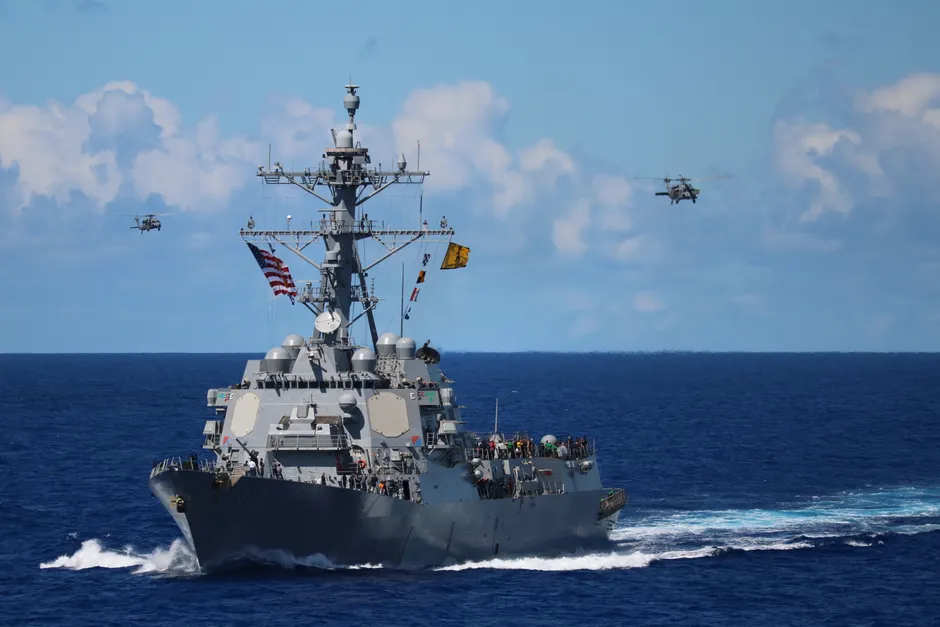
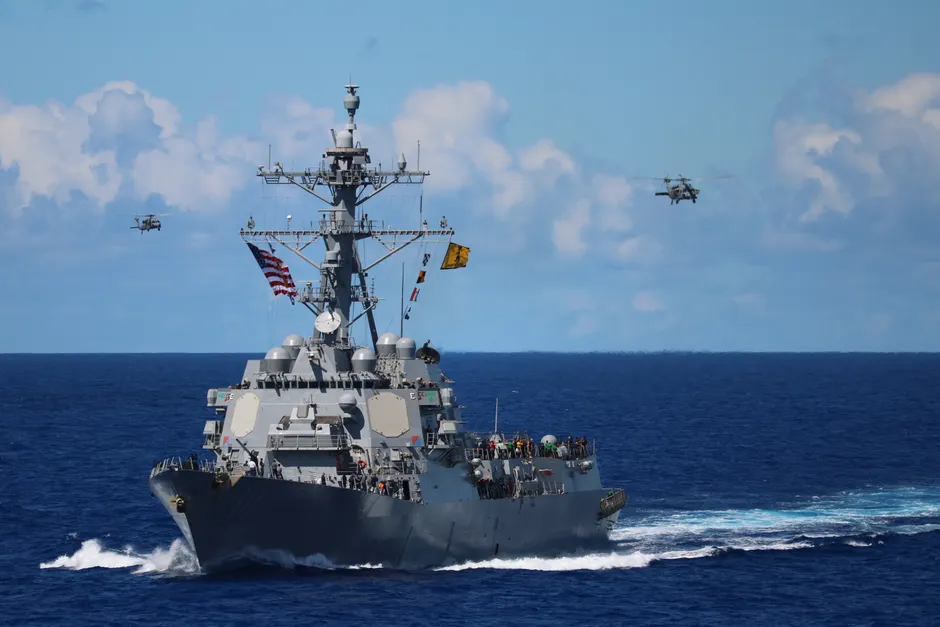
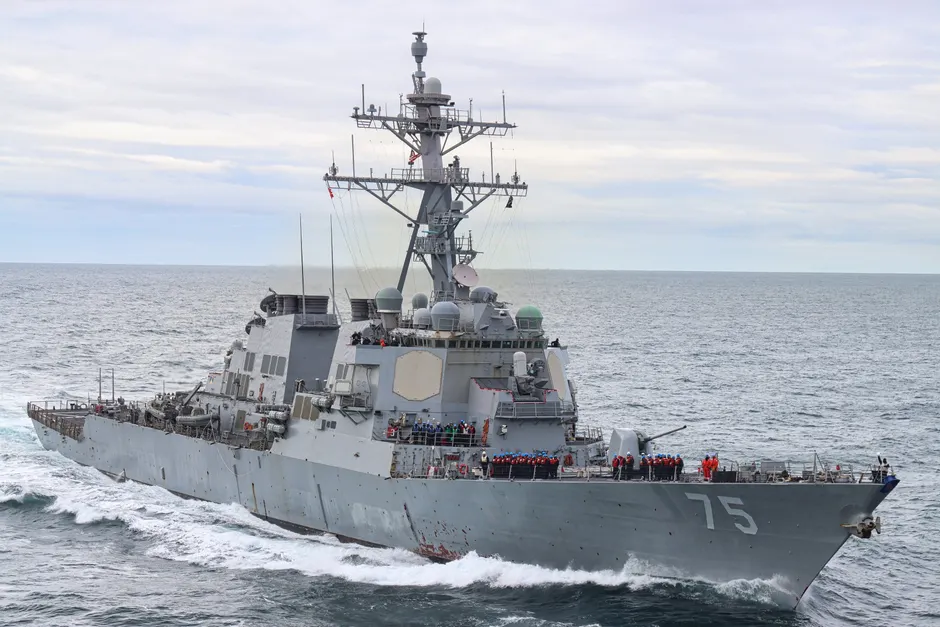
The United States struck Iran for a third consecutive night on Monday, expanding a campaign that has run in overlapping waves since early July, while President Trump announced plans to enforce a naval blockade around Iranian ports and impose a 20% tariff on cargo transiting the Strait of Hormuz The Guardian. US Central Command said the strikes would "continue imposing a heavy cost on Iranian forces" and degrade Tehran's ability "to attack innocent civilians and commercial shipping in the strait of Hormuz," language consistent with CENTCOM's messaging across its string of post-strike releases this month.
The scale has been building steadily. CENTCOM reported roughly 80 targets hit on July 7, about 90 on July 7-8, then close to 140 in a subsequent round completed July 11, followed by another wave on July 12 involving manned aircraft and cruise missiles CENTCOM. Monday's operation included a one-way attack drone that reached a submarine and ship maintenance facility at Bandar Abbas, according to CENTCOM.
Trump, speaking to radio host Hugh Hewitt, framed the campaign in blunt terms: "We're going to hit them very hard tonight and we're going to hit them hard tomorrow – and there's not a damn thing they can do about it." He added that Iran has "nothing going, other than they have big mouths" The Guardian. On Truth Social he described the US ambition as becoming the "guardian of the strait of Hormuz."
The blockade announcement marks a reversal from the interim arrangement reached last month. The White House had touted a "Historic US-Iran MOU" in June, saying the deal would ensure Iran never obtains a nuclear weapon while reopening Hormuz to unrestricted transit White House. Trump himself posted at the time that "the Deal with the Islamic Republic of Iran is now complete" and that he fully authorized toll-free passage through the strait. That understanding has now collapsed. The Joint Maritime Information Center, the US Navy-led body that tracks Gulf shipping, said Monday evening that a blockade covering all Iranian ports, oil terminals and coastal areas would take effect Tuesday night, with the JMIC warning that any vessel entering or leaving the zone without authorization "is subject to interception, diversion and capture" and "may be legally compelled with force" The Guardian. The JMIC specified that neutral transit to or from non-Iranian destinations would not be impeded — an important carve-out for the tanker traffic serving Saudi, Emirati and Qatari terminals that share the strait.
The proposed 20% tariff on Hormuz cargoes sits awkwardly against the position the administration itself staked out weeks earlier. Secretary of State Marco Rubio said last month that "no country is allowed to charge tolls or fees on an international waterway," calling that "existing international law" The Guardian. Whether a US-imposed transit fee is legally distinguishable from an Iranian toll — the very practice Washington has spent months condemning — is a question the International Maritime Organization says it is still trying to answer; the IMO indicated it is awaiting details of Trump's proposal while reiterating its longstanding opposition to fees on international waterways.
Tehran's response has been to reject any American claim to authority over the strait. IRGC spokesperson Hossein Mohebi said Washington had "seriously endangered the security of the world's oil and gas supply and must be held accountable," and insisted Iran would "continue to exercise sovereignty over and management of the strait of Hormuz" The Guardian. Reuters reported that Iran had separately declared Hormuz closed after an unauthorized vessel was struck, and that the IRGC expanded attacks on US-linked facilities across Gulf states, with air-raid sirens sounding in Bahrain as the exchange of missile and drone fire continued into Monday Reuters. The Associated Press reported the US military's position that its latest wave of strikes had concluded and that Tehran does not, in Washington's view, control the strait regardless of its declarations AP.
Markets moved accordingly. Brent crude rose 7.8% Monday to $81.92 a barrel, still well short of the roughly $120 peak reached earlier in the conflict but a sharp reversal from the calm that followed June's MOU The Guardian.
The sequence of events matters for anyone trying to establish what changed. In April, the White House said Trump had directed a naval blockade to counter what it called Iranian aggression White House; by June it was announcing the strait fully reopened under the new MOU; by July 5, AP reported, Washington was demanding Iran publicly affirm the strait's openness and pledge not to attack transiting ships AP; by July 7, after three ships were attacked in the strait, the US revoked an Iranian oil sales permit and resumed strikes AP. Each side now blames the other for the collapse of the interim deal, and each is asserting a competing claim to control of the same 33-kilometer channel through which roughly a fifth of global oil supply normally passes.
What is unresolved is whether a unilateral American blockade paired with a transit tariff functions as de-escalation or as its opposite. Framing the operation as protection of "innocent civilians and commercial shipping," in CENTCOM's words, sits uneasily with a policy that would tax the very shipping it claims to protect, and Gulf shippers, insurers and the IMO are likely to press for clarity before Tuesday's enforcement deadline arrives.