Serve Robotics Launches Physical AI Services, Pitching Its Stack to Other Robot Builders

Serve Robotics has launched a new business line called Physical AI Services, announcing it alongside its third-quarter 2026 financial results on November 5, 2026. The Nasdaq-listed company, which trades under the ticker SERV, intends the unit to supply its technology to other companies building robots. The company has described the effort as its AWS moment, a reference to the cloud platform model it hopes to replicate for physical systems (TechCrunch).
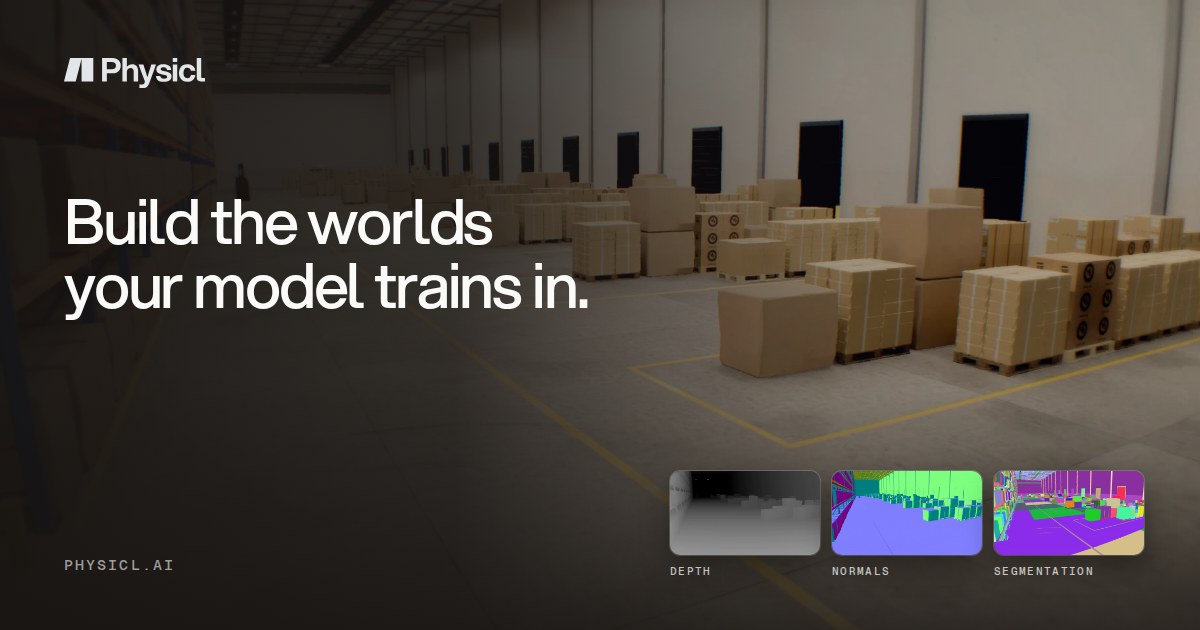
The offering comprises three products: Serve Link, a data curator tool, and a real-world foundation-model data catalog. Serve Link connects robots operating in the field to AI systems running in data centers, which places the compute layer off the robot while keeping inference in the loop of physical operation. The data curator and the catalog target the other end of the pipeline, where teams training embodied models need curated, real-world sensor data rather than simulation output alone.
Serve named Bedrock Robotics, a startup developing self-driving systems for construction equipment, as a customer. The company is also working with T-Mobile to bring AI computing power closer to robots, an arrangement that points to edge placement of inference capacity over carrier networks rather than purely centralized cloud processing (TechCrunch).
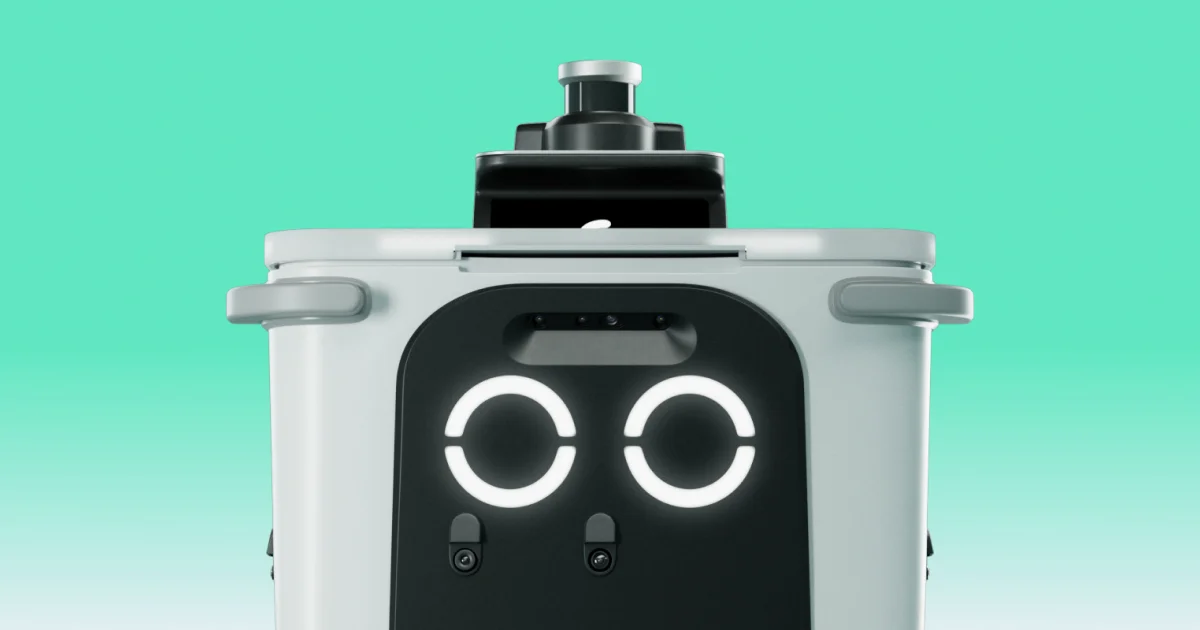
The new unit builds on a company that has been reshaping its own portfolio through 2026. Serve designs and operates autonomous robots that navigate complex, human-centric environments (Serve Robotics investor release). In January 2026 it announced a plan to acquire Diligent Robotics, a step it tied to expanding its physical AI footprint (Serve Robotics). In April 2026 it debuted a conversational robot powered by edge AI. The company's chief executive is Dr. Ali Kashani. Serve spun out of Uber's acquisition of Postmates in 2021, went public in 2024, and is known for its sidewalk delivery robots.
Serve scheduled a conference call at 2 p.m. PT / 5 p.m. ET on November 5 to review its third-quarter results (GlobeNewswire). Ahead of the release, the consensus estimate for Q3 2026 revenue stood at $1.65 million, with a consensus loss of $0.67 per share (Yahoo Finance). The company also said it would present at Evercore ISI's 5th Annual Automation Tech & Physical AI Conference.
In my view, the questions that matter for Physical AI Services are commercial and architectural rather than rhetorical. A platform sold to other robot developers has to earn trust on data rights, latency guarantees and uptime, and a sidewalk-delivery operator selling into construction and telecom-adjacent deployments is entering territory where its existing operating record counts for less than the integration work ahead. The consensus figures above are the baseline against which the first reported quarter will be read, and the call will be the first public venue where management explains how the three products map to revenue.
The broader context here is a familiar one for anyone who followed cloud infrastructure. Cloud providers succeeded by turning internal tooling into a rentable service, and the question for robotics is whether fleets of heterogeneous machines, each with its own sensors and failure modes, can be abstracted the same way. Serve's bet is that a shared pipeline for field connectivity, data curation and foundation-model data will lower the cost of building physical AI for everyone else. If that holds, the payoff is faster iteration for robot builders who do not have to assemble that infrastructure themselves, and the work that now lives in one-off integrations could move onto common rails. The open question is whether the company can make the platform generic enough to serve customers well beyond its own robots.