Serve Robotics Opens Its Sidewalk Delivery Fleet to Outside Developers
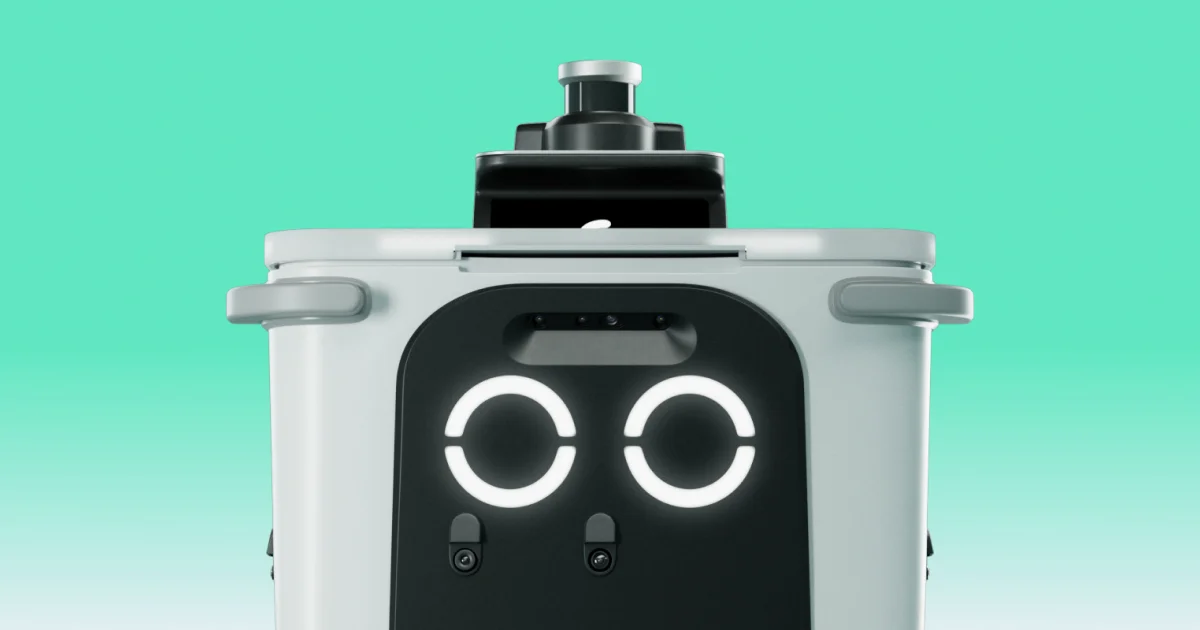
Serve Robotics is opening its platform to third-party users, making its autonomous last-mile delivery robots available to independent software engineers, small businesses and autonomous AI agents through a newly launched AV Delivery Developer Portal. The Verge reported the launch on November 11, 2026.
The portal provides access to a fleet of 2,000 sidewalk robots. Serve's service runs in 150 neighborhoods where the company operates, and the robots operate mainly on sidewalks with a top speed of around 6 mph. Serve has already completed Uber Eats deliveries in Los Angeles, Miami, Dallas and dozens of other cities. The company was spun out of Postmates in 2021.
The division of labor is specific. Developers supply pickup and dropoff coordinates, while Serve's backend handles obstacle avoidance, routing and remote teleoperation supervision. Third-party developers and small businesses can dispatch robots directly with Serve's software tools, without routing orders through a major food delivery marketplace. Small merchants can pay per delivery or reserve a robot by the hour.
Serve says API requests receive the same treatment as enterprise orders, with no priority given to either until a robot is actually on a delivery. CEO Ali Kashani said that opening the platform reduces reliance on large delivery apps and helps keep robots busy between the lunch and dinner rushes, which are the demand peaks that determine whether a fleet of this size earns its keep.
Serve's company materials add two further points. The robot is identified as Saymo, which the company says appears as John Mulaney's sidekick on the show Everybody's Live. The company's website also claims that delivery robots could reduce global emissions by approximately 2% annually, and lists the robots' CO2 emissions at approximately 0 G/KM.
In my view, the most useful detail for operators is the dispatch model rather than the branding. A marketplace aggregator has historically controlled order allocation and customer relationships. Here the fleet operator sets the rules, and the question for any merchant or developer is how an open queue behaves at peak load, when enterprise orders and API requests compete for the same robots. The "same treatment until pickup" policy answers the fairness question on paper. Actual service levels during rush periods will be the measure that counts.
The broader context here is the shift from robots as a feature inside someone else's app to robots as infrastructure that any system can call. For a small restaurant or grocer, that could mean delivery capacity without building its own courier operation or signing a marketplace contract. For developers, it turns a 2,000-unit sidewalk fleet into an endpoint. Whether that capacity proves reliable at scale, and whether a 6 mph machine finds its role as a complement to existing delivery rather than a substitute, will show up in dispatch data over the coming months.


