Oil Hits Six-Week High on US-Iran Escalation; Equities Flat Ahead of Earnings
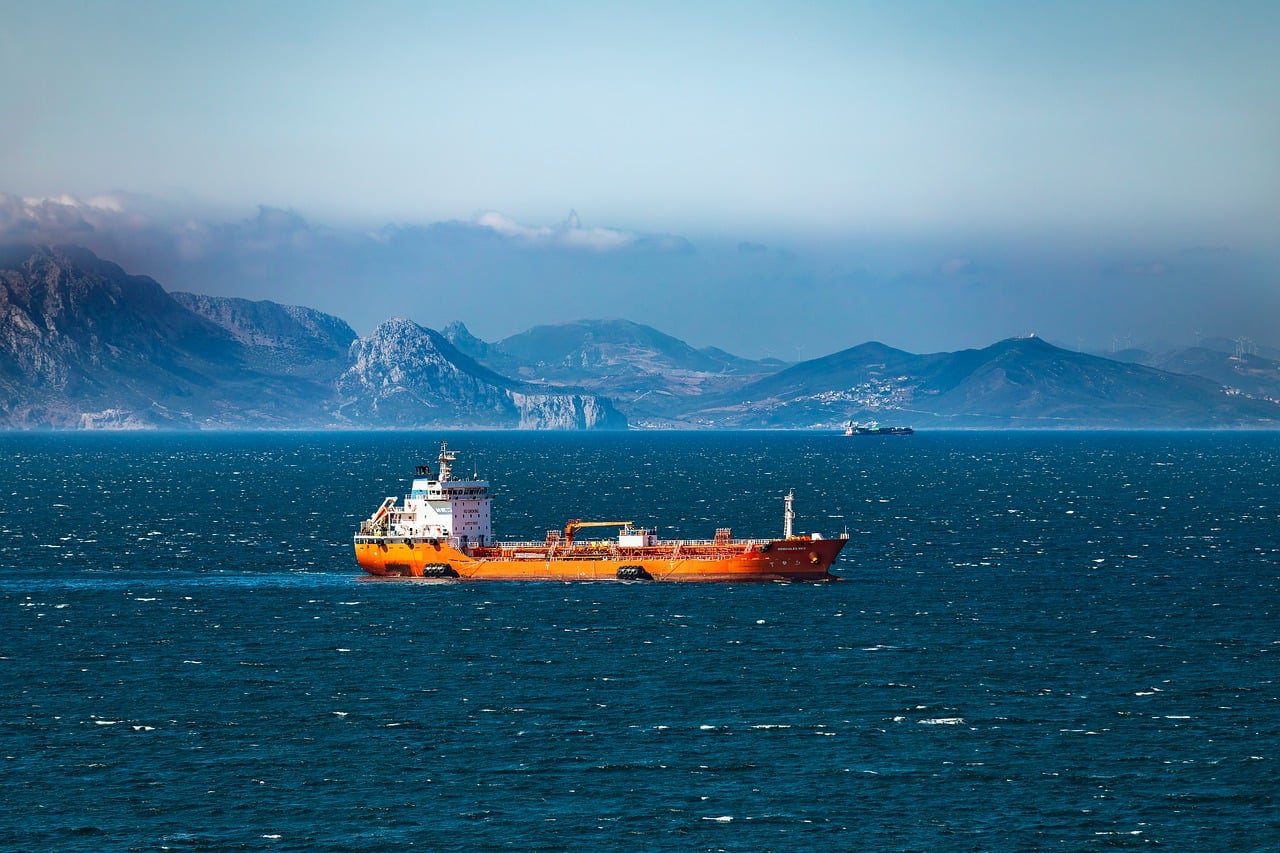
Oil prices climbed more than 2% on July 22, 2026, reaching a six-week high as the United States and Iran exchanged another round of military strikes, intensifying concerns about energy supply disruptions across the Middle East (Reuters).
WTI crude settled at $87.03 per barrel, up 3.19% from the prior session's close. The move extends a sustained rally: over the trailing month through July 22, WTI has gained 18.88% (Trading Economics). The escalation in hostilities between Washington and Tehran has layered a geopolitical risk premium onto a crude market already trading with upward momentum. Supply-side anxiety is now the dominant narrative on oil desks, with each successive military exchange tightening the perceived floor under prices.
U.S. equities, by contrast, barely moved. The Dow Jones Industrial Average added 90.16 points, or 0.17%, closing at 52,312.64 (Reuters). Broader market action was described as flat, with participants holding positions ahead of a heavy slate of corporate earnings releases (Reuters).
The divergence is straightforward in mechanism but worth parsing carefully. Oil is reacting to a active, evolving conflict with direct implications for barrels of supply. Equities are anchored to a different catalyst stream: quarterly results from major index-weighted companies whose prints will shape consensus earnings expectations for the back half of 2026. Traders are not ignoring geopolitical risk; they are pricing it through the energy complex rather than through broad equity indices, at least until earnings season provides the next directional impulse.
The 18.88% one-month advance in WTI is the figure that deserves attention from a macro standpoint. Moves of that magnitude in a four-week window start to feed through into gasoline futures, transportation costs, and ultimately headline CPI prints with a lag of roughly four to six weeks. If oil holds anywhere near current levels through August, the disinflationary tailwind that central banks have relied on through the first half of 2026 begins to erode. That is not a forecast; it is the mechanical transmission channel from spot crude to consumer price indices, and it is the reason rate-setters will be watching the Strait of Hormizon and ticker CL=F with equal intensity.
For equity positioning, the calculus is different. A flat session ahead of earnings is unremarkable on its own. But the combination of a geopolitical risk premium building in energy markets and a market-cap-weighted index within striking distance of record territory leaves thin margins for disappointment. If earnings prints miss expectations while oil continues its ascent, the cross-asset setup deteriorates quickly: higher input costs compressing margins at exactly the moment that multiple expansion stalls. That is a scenario worth monitoring, not one to position for preemptively.
What is known: military strikes are ongoing, oil is at a six-week high, and equities are treading water ahead of earnings. What is speculation: whether the US-Iran exchange escalates further, whether OPEC+ responds to the price signal with production adjustments, and whether corporate guidance will absorb the cost pressures that elevated crude implies. Each of those threads will resolve on its own timeline.


