Congress Curbs Institutional Single-Family Home Acquisitions Under ROAD Act
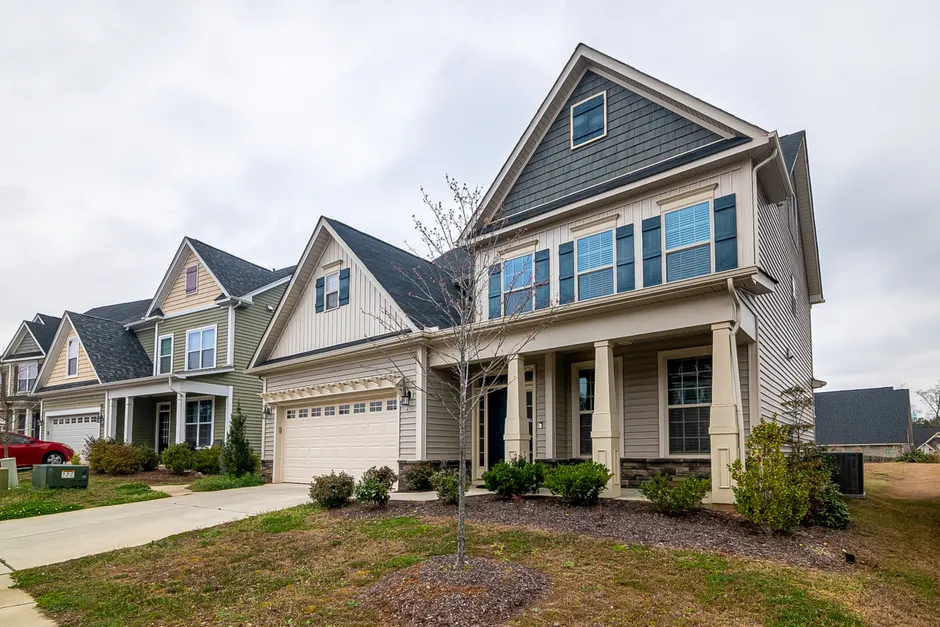
On July 11, 2026, the 21st Century ROAD to Housing Act became law, prohibiting large institutional investors from acquiring single-family homes. The legislation, enacted by the US Congress, was introduced in the House of Representatives as H.R. 6644 and passed both chambers in June 2026. Morgan Lewis reported on July 7 that the bill was expected to become law without the president's signature. The Government Accountability Office published an analysis on July 13 noting that the act aims to increase the supply and affordability of housing in the United States. The institutional acquisition restrictions are contained in Section 1001 of the legislation. The 21st Century ROAD to Housing Act requires large institutional investors to dispose of single-family homes to individual homebuyers within 7 years. The Senate-passed version of the bill limited Wall Street investment firms to controlling no more than 350 single-family homes per firm. The Senate passed the housing bill on June 22, 2026, following House passage earlier that month with changes to the institutional investor restrictions. The bill was bipartisan, though the provision barring institutional investors from buying single-family homes was among the more contested elements during Senate debate. Senators Tim Scott and Elizabeth Warren jointly released the legislative package in March 2026. The Congressional Record from March 5, 2026, includes Senate debate on the effects of large institutional investors purchasing single-family homes on housing availability and affordability for renters and homebuyers. According to Redfin data cited in a Congressional Research Service report, investors purchased 19% of single-family homes sold in the US in the first quarter of 2026. President Donald Trump announced on January 7, 2026, that his administration was moving to ban large institutional investors from buying single-family homes. He signed an executive order on January 21, 2026, titled 'Stopping Wall Street from Competing with Main Street Homebuyers' to restrict such acquisitions. The Trump administration later proposed banning investors owning more than 100 single-family homes from purchasing additional homes, as reported on February 20, 2026. The Congressional Research Service published a separate report, R48849, on the Housing for the 21st Century Act in May 2026. The legislative journey from executive order to enacted law took roughly six months. The 350-home per firm cap and the 7-year divestment window together create a compliance framework that firms must navigate. With investors holding nearly a fifth of the single-family purchase market as of Q1 2026, the disposal requirement could shift a meaningful volume of housing inventory toward individual buyers over the mandated period. For institutional investors, the act imposes hard structural limits on a strategy that has grown substantially in the post-crisis era. The requirement to divest to individual homebuyers within 7 years effectively sets a sunset on existing portfolios, though the mechanics of how those dispositions occur will depend on implementing regulations and market conditions. The bill's bipartisan support, with Scott and Warren as lead sponsors, reflects a political consensus that institutional ownership has contributed to affordability pressures. Whether the caps and divestment mandates materially alter local housing dynamics depends on execution, but the legislative signal is unambiguous: the single-family rental trade at scale faces a regulated endpoint.


