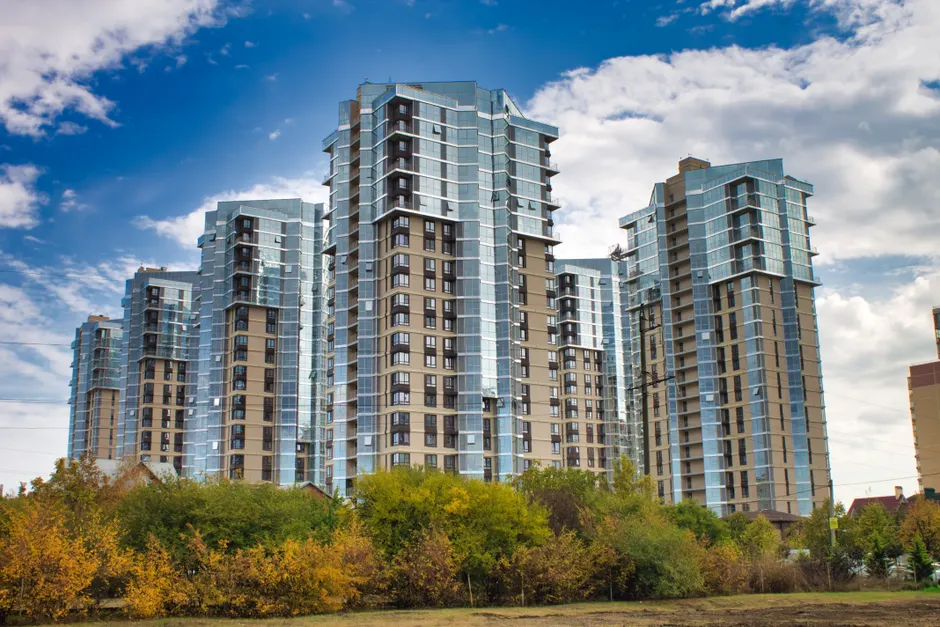
Eleven Dead in Foster Care Facility Fire in Algiers Amid Algeria's Wildfire Crisis
Eleven people died and nineteen were injured when a fire swept through a foster care facility in Mohammadia, an eastern suburb of Algiers, in the early hours of Thursday, July 16, 2026. BBC News
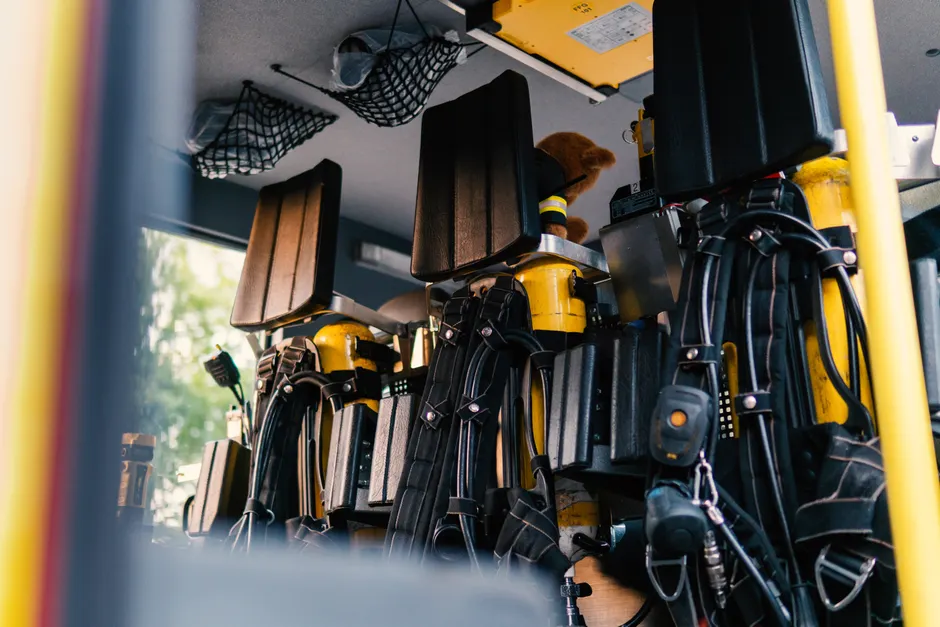
Firefighters began tackling the blaze at 03:30 local time (04:30 GMT). More than three hours later, when Algeria's civil protection department released its first public update, crews were still working to extinguish the fire. The department deployed ten fire engines and sixteen ambulances to the site.
The civil protection department's statement did not specify the cause of the fire. It also did not provide the ages of those killed or injured. The facility has been described by Algeria's Protection Civile as a foyer pour enfants défavorisés, a home for underprivileged children. 20 Minutes
Authorities said five people with special needs were evacuated from the facility and transported to a safe location during the fire.
The disaster comes against an extraordinary wildfire season. Algeria has been experiencing a heatwave for several days, and according to AFP, nearly 1,000 fires have been recorded in the space of a single week. On Thursday morning, the civil protection department said it had recorded 115 wildfires in the preceding 24 hours alone. Whether the Mohammadia facility fire is classified among those wildfires or treated as a separate structural incident has not been clarified by authorities.
President Abdelmadjid Tebboune expressed his condolences and called the fire a "tragic loss." Prime Minister Sifi Ghrieb travelled to two hospitals in Algiers to visit individuals injured in the blaze, according to state media, which published a photograph of Ghrieb beside a child in a hospital bed. BBC News
The broader context here matters for assessing both the immediate and the systemic stakes. Algeria's civil protection infrastructure has been under sustained strain during this heatwave, with the volume of simultaneous fire incidents stretching response capacity across multiple regions. The deployment of ten fire engines and sixteen ambulances to a single facility in a suburb of the capital signals the severity of this particular incident, but it also raises questions about resource allocation when hundreds of fires are burning concurrently across the country.
The fact that the victims were residents of a home for underprivileged children adds a layer of vulnerability that will inevitably sharpen public scrutiny. Facilities caring for dependent populations, whether children, elderly residents, or people with disabilities, face well-documented challenges in emergency evacuation: limited mobility, reliance on staff for egress, and in some cases insufficient fire-safety infrastructure relative to the needs of residents. The evacuation of five people with special needs suggests that at least some residents required assisted extraction. What remains unknown, and what a subsequent investigation will need to establish, is whether the facility's fire-safety systems, evacuation protocols, and staffing levels were adequate for its population profile.
Algeria has faced devastating wildfires before, most notably in the summer of 2021, when dozens of deaths were recorded across the country's north, and again in subsequent years as climate-driven heat extremes have intensified across the Maghreb. The current heatwave, producing nearly a thousand fires in a week, appears consistent with that trajectory of escalating wildfire risk in the region. The Mediterranean basin, including North Africa's coastal and sub-coastal zones, has been identified by climate researchers as a warming hotspot where the frequency and intensity of extreme heat events are accelerating faster than global averages.
What is not yet established is whether the Mohammadia fire originated externally, as part of the broader wildfire pattern, or internally, from a structural or electrical cause within the facility. The civil protection department's silence on the cause leaves this as an open and critical question. The distinction carries significant implications: a wildfire-driven ignition points to the adequacy of defensible-space measures and facility siting, while a structural cause points to fire-safety standards and maintenance within residential care institutions.
For now, the confirmed facts are the toll and the response. Eleven dead, nineteen injured, and a country fighting fires on a scale that its emergency services are describing in unprecedented weekly terms. The investigation into this specific facility fire, when it concludes, will determine whether accountability follows.