Steam Controller Returns as Valve Opens Reservation Queue
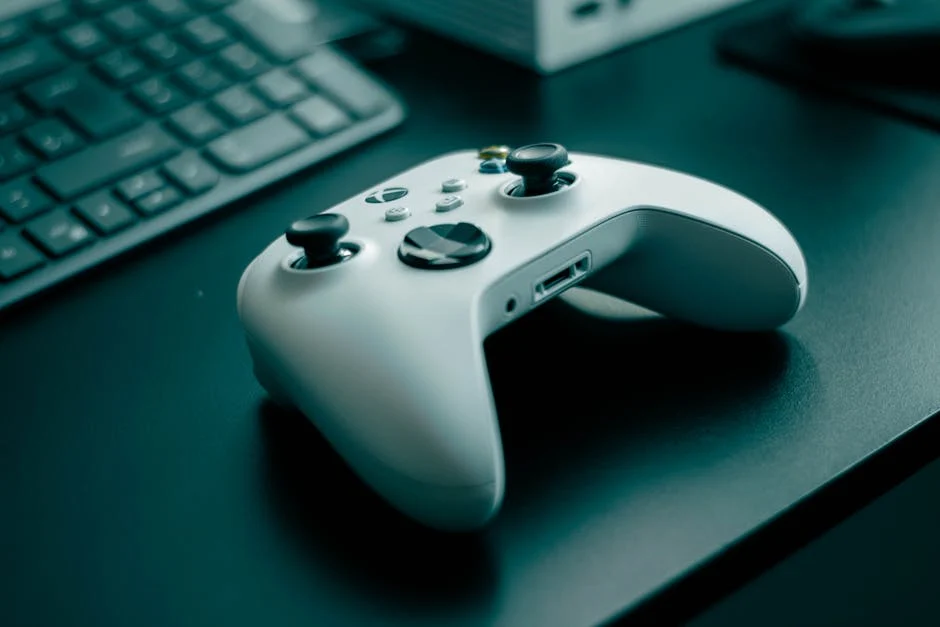
Steam Controller Returns as Valve Opens Reservation Queue
Valve opened a reservation queue for the Steam Controller at 10 AM Pacific time on May 8th, marking the return of the company's gaming peripheral after years of discontinuation. The Steam Hardware community group announced the availability through their official channels, with the reservation system preserving users' queue positions once secured.
Reservation System Mechanics
The new distribution model follows Valve's established reservation framework, which the company refined during the Steam Deck launch cycle. Users who successfully enter the queue maintain their position until fulfillment, removing the uncertainty of traditional flash sales or limited-time availability windows. This approach mirrors the strategy Valve deployed for high-demand hardware releases, where sustained manufacturing capacity constraints required measured rollouts rather than immediate availability.
The reservation system addresses one of the core friction points from the original Steam Controller era: unpredictable availability that left interested users scrambling during brief restock windows. By maintaining queue integrity, Valve can better align manufacturing output with verified demand signals.
Hardware Context and Legacy
The Steam Controller first shipped in 2015 as part of Valve's broader Steam Machine ecosystem push, featuring dual trackpads, haptic feedback, and extensive customization options through Steam's configuration interface. The peripheral targeted a specific niche: users seeking precise cursor control and complex input mapping for games designed around keyboard-and-mouse interfaces, but played from a couch or living room setup.
Manufacturing ceased in 2019, with remaining inventory sold at steep discounts. The discontinuation aligned with broader market dynamics: the Steam Machine initiative failed to gain traction, traditional console controllers maintained dominance for couch gaming, and Valve's attention shifted toward VR hardware development and what would eventually become the Steam Deck.
The controller's trackpad-centric design generated polarized responses from users. Enthusiasts praised its precision for strategy games, real-time strategy titles, and productivity applications accessed through Steam's desktop mode. Critics found the learning curve steep compared to conventional dual-analog configurations, particularly for action games optimized around traditional controller layouts.
Strategic Timing and Market Position
The resurrection comes as Valve manages multiple hardware initiatives simultaneously. The Steam Deck established the company's credibility as a hardware manufacturer beyond experimental peripherals, while the Index VR headset maintains a premium position in the virtual reality market. Steam Controller availability could complement both platforms: providing an alternative input method for Steam Deck docked configurations and offering precise control for VR applications requiring fine manipulation.
We have seen this pattern before, when companies revive discontinued products after market conditions shift or manufacturing economics improve. Apple's return of MagSafe charging, Microsoft's revival of the Compact keyboards, and even Valve's own reintroduction of Half-Life through Alyx demonstrate how perceived "failures" can find renewed purpose as market segments mature or adjacent technologies create new use cases.
The timing also coincides with increased interest in handheld gaming PCs from competitors like ASUS and Lenovo, suggesting Valve may be preparing a broader ecosystem play where multiple form factors share common software foundations and input paradigms.
Technical Considerations for Current-Generation Gaming
Modern games present different input challenges than those the original Steam Controller addressed. Battle royale titles, competitive first-person shooters, and live-service games often require rapid, precise inputs that favor traditional analog stick configurations. However, the expanding catalog of strategy games, simulation titles, and indie releases on Steam creates sustained demand for more versatile input methods.
The controller's programmability through Steam Input remains its primary differentiator. Users can create complex input layers, mode switching, and macro configurations that transform game control schemes in ways traditional controllers cannot match. This flexibility proves valuable for accessibility use cases, where custom input mapping can accommodate various physical limitations or preferences.
Steam Deck's success also validates trackpad-based input for certain game genres. The handheld's trackpads serve crucial roles in mouse-dependent games and desktop navigation, suggesting Valve refined the input paradigms through real-world deployment data.
Looking at what this means for the broader PC gaming ecosystem, the Steam Controller's return signals Valve's commitment to input diversity rather than standardization around conventional controller designs. The reservation queue format suggests manufacturing will remain limited initially, allowing Valve to gauge sustained demand without overcommitting production resources.
The peripheral market has consolidated significantly since 2019, with fewer players offering truly differentiated input solutions. Microsoft's Xbox controllers dominate PC gaming, while Sony's DualSense gained ground through Steam's native support implementation. A refined Steam Controller could carve out sustainable market share by serving users whose needs existing solutions inadequately address.
For developers, renewed Steam Controller availability means considering alternative input paradigms during game design, particularly for titles targeting Steam's ecosystem. The controller's unique capabilities can unlock gameplay mechanics difficult to implement with traditional dual-analog layouts, though adoption rates will determine whether such considerations influence mainstream development priorities.


