Laos to Lay Minor Charges Over 2024 Methanol Poisoning Deaths, Drawing Australian Diplomatic Pushback
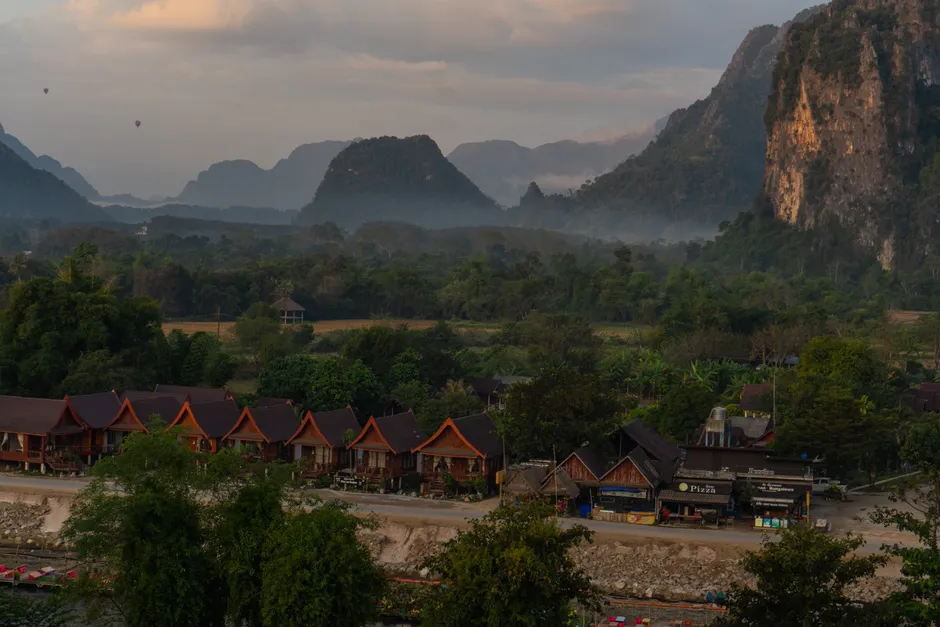
Laotian officials were due to conclude their investigation on July 17, 2026, into the November 2024 methanol poisoning deaths of six foreign tourists in Vang Vieng, with two offences expected to be laid carrying a maximum penalty of one year in jail and a fine of A$1,600. The expected charges have drawn sharp diplomatic protests from Canberra and condemnation from the victims' families, who say the penalties are grotesquely disproportionate to the loss of life.
The poisoning incident claimed the lives of 19-year-old Melbourne travelers Bianca Jones and Holly Morton-Bowles, along with a British woman, an American man, and two Danish women. The tourists consumed tainted alcohol at the Nana backpackers hostel in Vang Vieng, a town along the backpacker circuit in northern Laos. Methanol, a toxic industrial alcohol sometimes illicitly added to or contaminating bootleg spirits, causes metabolic acidosis, blindness, and death in small quantities.
Australian Foreign Affairs Minister Penny Wong said in a statement on July 17, 2026, that the Australian government was "deeply frustrated and bitterly disappointed" over the expected charges. Wong said the charges "should reflect the gravity of the tragedy" and confirmed that she and the Prime Minister were expressing these expectations to their Lao counterparts. Laotian authorities are not pursuing the most serious charges available under their legal framework in relation to the deaths of the Australian citizens, according to a statement from Wong's office.
Canberra has mounted a coordinated diplomatic response. Wong announced that special envoy Pablo Kang was traveling to Laos on July 17, 2026, to convey the government's objections and reinforce expectations for an investigation that delivers justice. The acting secretary of the Department of Foreign Affairs and Trade (DFAT) called in the Lao ambassador in Canberra. Wong said she would personally press the issue at the ASEAN-related foreign ministers' meetings in Manila the following week. Federal Health Minister Mark Butler said the Australian government had offered to provide Laos with resources to conduct a full investigation, which had been rejected.
The families of the Australian victims have been openly critical of the Lao judicial process. Mark Jones, Bianca Jones' father, called the expected charges unacceptable, saying it was unacceptable that the deaths of his daughter, Holly, and three others could result in a maximum of one year in jail and a A$1,600 fine. Michelle Jones, Bianca's mother, warned prospective travelers "don't go to Laos" and urged those who do to consume only bottled or canned drinks.
Shaun Bowles, Holly Morton-Bowles' father, told 2GB radio that his understanding was the charges would be against those responsible for making the allegedly tainted vodka, and he was not convinced the right people were being charged. His skepticism points to a broader concern about the scope and targets of the Lao investigation.
The July 2026 development follows an earlier round of penalties that drew outrage from the families. In February 2026, ten people linked to the Nana backpackers hostel were fined approximately A$185 each in relation to the poisoning deaths. The fathers of Jones and Morton-Bowles said they were shocked and had only recently learned that hostel-linked individuals received fines of less than A$200.
The scale of the discrepancy between the gravity of the incident and the legal consequences is stark. Six deaths across four nationalities have resulted in a process that, so far, has produced minor fines and the prospect of charges capped at one year of imprisonment. The families have questioned whether the individuals facing charges are those ultimately responsible for the production and distribution of the contaminated alcohol.
For the Australian government, the issue has moved beyond consular support into a test of diplomatic leverage within the ASEAN framework. Wong's decision to raise the matter at the ASEAN-related foreign ministers' meetings in Manila signals an intent to apply regional pressure, though the capacity of external actors to influence Lao domestic criminal proceedings is limited. The rejection of Australia's offer of investigative resources further narrows the avenues for external oversight.
The case also underscores the persistent risks of methanol contamination in regional tourism economies where regulation and enforcement may be uneven. The warning from Michelle Jones to avoid Laos entirely and consume only sealed beverages reflects a collapse of confidence in local safety standards that, for the families, no penalty can repair.


