Deadly Storm Batters Central and Southern Chile, Killing Three and Displacing Hundreds

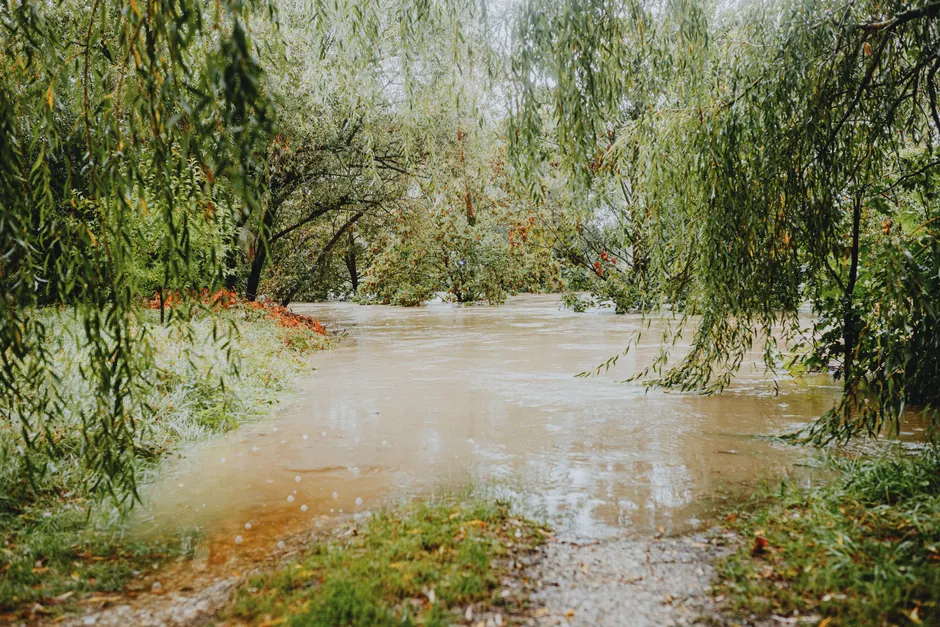
At least three people have been killed and hundreds displaced after torrential rain and fierce winds lashed central and southern Chile around mid-July 2026, with further heavy rainfall expected across the country's central zone on July 17 (Al Jazeera).
Chile's disaster relief agency, SENAPRED, reported 466 people in shelters as of July 17, with 158 residents isolated by rising water levels, mostly in the Coquimbo region. SENAPRED head Alicia Cebrian confirmed seven people were injured in the storms. More than 200 people were evacuated, and around 20 homes were destroyed or severely damaged (Reuters). A storm surge struck Chile's central coast, with seawater affecting the Biobío region (Yahoo News).
The three fatalities occurred under different circumstances across the country. A labourer clearing a road was killed in Negrete. A person fell while cleaning a roof in Temuco. A third victim suffered a fatal electric shock in Santiago (Al Jazeera).
SENAPRED issued evacuation orders for the Campamento Ribera del Rio area near Talagante as river levels rose. Schools in parts of Chile suspended classes on July 17. Chilean state-owned mining giant Codelco halted surface operations at its Andina mine because of the storms (Al Jazeera).
President José Antonio Kast, inaugurated in March 2026, announced on July 17 that he was traveling to the Biobío region to survey flood damage. The floods struck less than six months into his presidency. Kast had already been active in the government's response: on July 14 he inspected improvement works on the Canal Santa Marta in Maipú, and on July 15 he visited the Colector Santa Corina works and delivered a balance of preparations regarding the frontal system, emphasizing what he called a call for "self-care" to citizens (Al Jazeera; Presidencia de Chile).
SENAPRED's July 17 balance update on the frontal system, timestamped 10:35 AM, reported 79 directly affected persons in the La Araucanía and Biobío regions specifically (SENAPRED). The agency's broader figures for shelters and displaced populations cover a wider geographic scope, encompassing Coquimbo, Santiago Metropolitan, Biobío, and La Araucanía.
The breadth of the disruption is notable. The storm affected communities from Coquimbo in the north to La Araucanía in the south, spanning roughly 1,000 kilometers of Chilean territory. Codelco's decision to suspend surface operations at Andina, one of the country's largest copper mines, points to the economic dimension of the event. Chile is the world's leading copper producer, and Andina sits in the Valparaíso Region, meaning the storms disrupted extraction infrastructure well outside the zones most visibly damaged by flooding and storm surge.
The timing poses an early governance test for Kast, who took office in March. His predecessor confronted major unrest and constitutional reform debates; now Kast faces a natural disaster response in his first months. His inspection visits to drainage infrastructure in Maipú, before the worst of the flooding, suggest the government was tracking the frontal system and attempting preventive measures. Whether those preparations proved adequate, given the displacement and loss of life that followed, will be a question for the post-event assessment SENAPRED and other agencies will inevitably conduct.
Chile's geography makes it particularly exposed to frontal systems during the austral winter. The Andes funnel precipitation into narrow valleys, and coastal storm surges can compound riverine flooding in regions like Biobío. The fact that seawater penetrated coastal Biobío alongside inland flooding from rainfall points to a compound event, where multiple mechanisms, surge, river overflow, and direct rainfall damage, operated simultaneously across different zones of the same storm system.