Meta Lines Up Roughly $13 Billion in Financing for El Paso AI Data Center
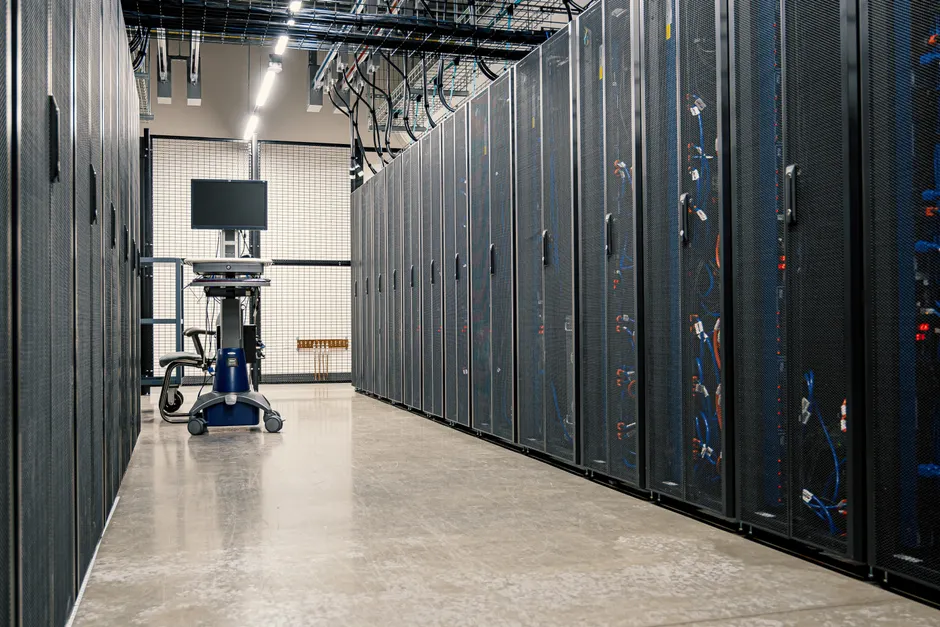
Meta Platforms Inc. is assembling a financing package for a data center in El Paso, Texas, that could total roughly $13 billion, with Morgan Stanley and JPMorgan tapped to lead the arrangement, according to a Bloomberg report published May 5, 2026 (Bloomberg).
The financing round follows Meta's October 2025 announcement that it is building a gigawatt-sized data center in Texas (Bloomberg). The facility is slated to have 1 gigawatt of capacity dedicated to powering high-end computing chips for AI-related projects (Bloomberg).
The $13 billion figure attached to the El Paso financing package is notable for its scale relative to typical data center capital expenditure. A single gigawatt of nameplate power capacity, depending on the compute density deployed and the cost curve of advanced AI accelerators, can absorb tens of billions in total build cost once land, shell construction, power infrastructure, cooling systems, and the GPU fleet itself are aggregated. The financing package, as reported, covers the facility build-out; the chip procurement economics may sit on Meta's own balance sheet or in separate leasing structures, though the sourcing on that breakdown is not specified in the verified reporting.
What is clear from the reporting is that Meta is turning to bank-led financing rather than self-funding the entire project from cash on hand. Morgan Stanley and JPMorgan's involvement points toward a syndicated debt arrangement, likely a combination of term loans and possibly bridge facilities that could later be refinanced in the capital markets. For institutional lenders, gigawatt-scale AI infrastructure deals represent a relatively new asset class, one where the credit story hinges less on traditional real estate cash flows and more on the strategic value of the compute capacity to the sponsor.
The broader context here is the accelerating capital cycle among hyperscalers building AI compute capacity. Meta's Texas facility fits into a pattern of large-scale data center announcements driven by demand for training and inference infrastructure. A gigawatt-scale site is at the upper end of what is currently being built, and securing power at that scale is itself a gating constraint on the project timeline. El Paso's power grid characteristics and the availability of generation capacity in the region are not detailed in the verified sources, but the site selection implies that Meta has determined the power procurement path is viable.
For fixed-income investors and bank credit desks, the deal is worth tracking on several fronts. The size of the financing package, the tenor, the pricing, and the security structure will collectively set a reference point for how subsequent hyperscaler data center loans are underwritten. If the package is syndicated broadly, it will also reveal how institutional investors are pricing the risk of AI infrastructure assets, where the depreciation schedule of the underlying compute equipment may diverge meaningfully from the amortization profile of the real estate and power infrastructure.
For Meta's equity holders, the financing choice signals that the company is willing to lever specific infrastructure projects rather than absorbing the full capital cost against earnings. That has implications for the pace at which AI-related capex flows through the income statement versus sitting as a financed asset with a separate amortization schedule. The structure also matters for Meta's overall leverage profile, though a single $13 billion facility, while material in isolation, must be assessed against the company's total balance sheet capacity, which is not specified in the verified reporting.
The El Paso project remains at the financing stage. The October 2025 announcement established the build intent and the gigawatt capacity target; the May 2026 Bloomberg report narrows the picture to a specific location, a dollar figure, and the banks involved. Construction timelines, power purchase agreements, chip procurement details, and the final execution of the financing package have not been disclosed in the verified sources. What can be said is that Meta is advancing a project whose capital cost is approaching the range where it would rank among the largest single-site infrastructure financings in the data center sector, and the involvement of two of the largest underwriting banks on Wall Street signals institutional conviction in the asset class.


