Iran Confirms Receipt of Mediator Proposals as US Strikes Enter Ninth Day
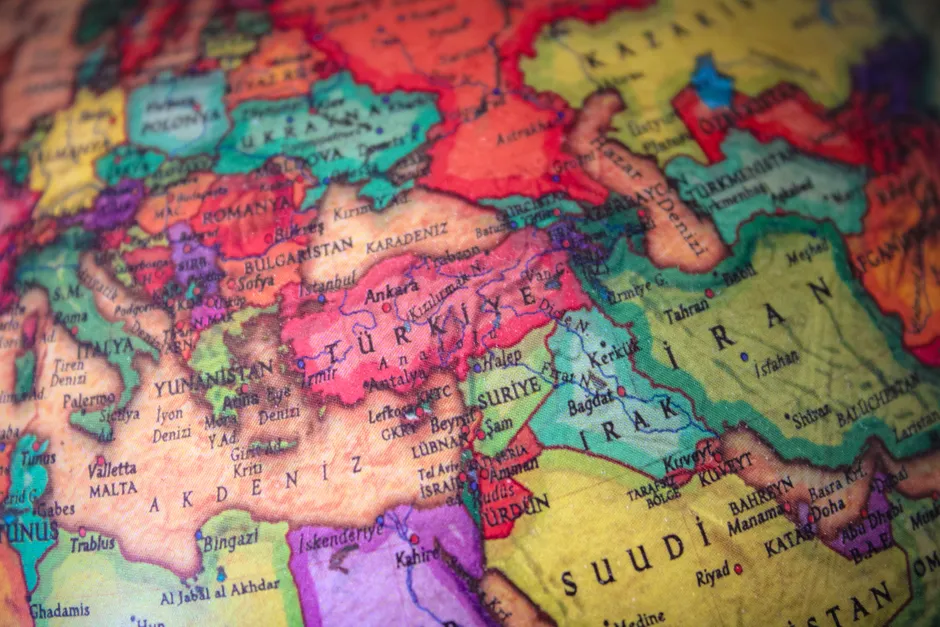
Iranian Foreign Ministry spokesman Esmaeil Baghaei stated on July 20, 2026, that Tehran has received "proposals" through mediators to end renewed fighting between Iran and the United States. Speaking at a press conference in Tehran, Baghaei did not disclose details of the proposals or whether they involved a 10-day truce, as reported by US media. He emphasized that diplomatic efforts are proceeding in lockstep with those of the armed forces. Baghaei also urged regional countries not to allow the US military to use their territory to launch or facilitate attacks on Iranian soil. The announcement came as the US launched a ninth consecutive day of strikes on Iran overnight, extending beyond the Strait of Hormuz region to areas such as Tabriz in northwest Iran. On July 19, the US military hit a civilian nuclear power plant under construction in Darkhovin, which Iran said had no military objective. The escalating conflict has drawn in regional mediators, with Pakistan intensifying its diplomatic efforts in recent days to broker a resolution between the two sides. US Secretary of State Marco Rubio said Washington "always remains open to diplomatic solutions" but added that Iran's missile and drone strikes have killed three American service members over the past week. The United States also announced the death of another American service member amid the expanding conflict with Iran. Rubio claimed a "split" has emerged among Iranian officials, with one faction wanting to continue war against the US and others seeking negotiations. Iran's Parliament Speaker and chief negotiator Mohammad Bagher Ghalibaf responded to Rubio via a post on X, saying, "We have reached the level of a full professor on recognising these American games." The US-Israel war on Iran began on February 28, according to Al Jazeera's characterization of the conflict. Iran's IRGC released a video on Monday afternoon showing Kheibar Shekan, Fateh-110, Zolfaghar and Emad ballistic missiles being used in the latest strikes. A message placed on one of the missiles in Arabic and English read: "Anyone who destabilises the security of the Iranian people will not themselves be safe either!" Army spokesman Mohammad Akraminia warned that Iran would "open new fronts against" the United States if it resumed its attacks on Iran. The broader context here is one of repeated diplomatic attempts punctuated by renewed hostilities. On May 2, Iran briefed foreign envoys in Tehran about a new proposal on ending the US-Israeli war. By mid-May, Baghaei stated that the US had sent revised comments on Iran's proposal despite publicly rejecting it. Iran's ambassador to Pakistan later credited Pakistan's mediation for a "positive stride" taking shape toward a possible agreement. In June, world leaders lauded a memorandum of understanding reached between Iran and the United States on a permanent end to the US-Israeli war. Those diplomatic gains appear to have unraveled in the current round of fighting. The simultaneous pursuit of military escalation and diplomatic backchannels suggests both sides are calibrating their positions for potential negotiations. Pakistan's intensified mediation, combined with the new proposals Baghaei referenced, may offer a pathway to de-escalation. The strikes on Darkhovin and the deployment of sophisticated ballistic missiles, however, indicate the conflict's trajectory remains volatile.