Lebanese Army Deploys in Southern Villages as Israel Withdraws Under Ceasefire Pilot Zones

The Lebanese Armed Forces have begun deploying in southern Lebanese villages from which Israeli forces have withdrawn, including clearing unexploded ordnance, according to a Reuters report dated July 21, 2026 (Reuters). The deployment marks the first concrete implementation of a phased arrangement under which Israel partially withdraws from designated areas and transfers security responsibility to the LAF.
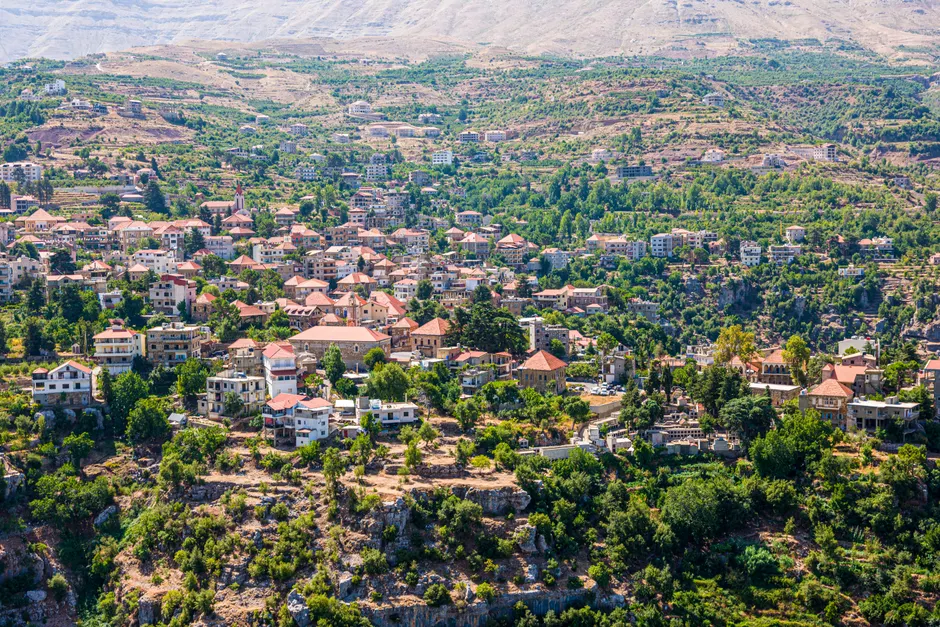
Lebanese troops have been confirmed deployed in the southern villages of Froun and Burj Qal as of July 17 (Arab News). The United States indicated on July 20 that the Lebanese army is deploying to "pilot zones" in southern Lebanon, including one zone from which the IDF will withdraw (Times of Israel). Under the arrangement, the LAF is to assume sole security control of vacated areas and certify that they have been cleared of Hezbollah presence.
The broader ceasefire architecture took shape over the spring and early summer of 2026. A ceasefire between Israel and Hezbollah came into effect on April 16, according to an Israeli embassy newsletter (Embassy of Israel). That ceasefire was itself the product of weeks of escalating violence: Hezbollah opened fire on Israel to avenge the killing of Iran's supreme leader, prompting Lebanon's government to ban military activities by Hezbollah (Reuters). Israeli strikes in Lebanon killed 254 people after the ceasefire failed to halt Israel-Hezbollah fighting (Reuters).
The ceasefire is contingent on a complete cessation of Hezbollah fire, as articulated in a joint statement issued by the United States, Lebanon, and Israel following a high-level trilateral meeting in June 2026 (U.S. State Department). That meeting brought together State Department Counselor Dan Holler, Lebanese Ambassador to the United States Nada Hamadeh Moawad, and Israeli Ambassador to the United States Yechiel Leiter (U.S. State Department). The parties agreed to renew the ceasefire and create a number of "pilot" security zones inside Lebanon (PBS NewsHour).
The original ceasefire framework, reported in late 2024, provided for a 60-day phased withdrawal of all Israeli forces from Lebanon, with Hezbollah moving north of the Litani River (Middle East Eye). Prior to the ceasefire taking effect, the Lebanese Army publicly urged citizens via X (Twitter) to postpone their return to villages and towns in the South until the agreement came into effect (L'Orient-Le Jour). The U.S. proposal that preceded the renewed ceasefire envisioned a first step in which Hezbollah would stop all attacks on Israel, with Israel refraining from escalation in Lebanon (Al-Monitor).
Israel confirmed on July 10 that it would partially withdraw from designated areas in southern Lebanon and transfer responsibility for them to the Lebanese Armed Forces (Embassy of Israel). The current LAF deployments in Froun, Burj Qal, and additional southern towns represent the operationalization of that commitment on the ground.
The broader context here is one of layered fragility. The ceasefire has already failed once, producing significant casualties before being renewed through trilateral diplomacy. The pilot-zone mechanism is designed to test whether the LAF can credibly fill the security vacuum left by an Israeli withdrawal and certify Hezbollah's absence from vacated areas, which is the core quid pro quo sustaining the arrangement. The LAF's unexploded-ordnance clearance work is a practical necessity in villages that sustained bombardment, but it also signals an institutional footprint that goes beyond checkpoint positioning. The key variable will be whether the certification process satisfies Israeli security thresholds, and whether Hezbollah abides by the Litani withdrawal, in the pilot zones before any wider drawdown proceeds.