Goats, Football, and Ho Tradition: Inside Jharkhand's Rangila Star Tirilbasa Tournament
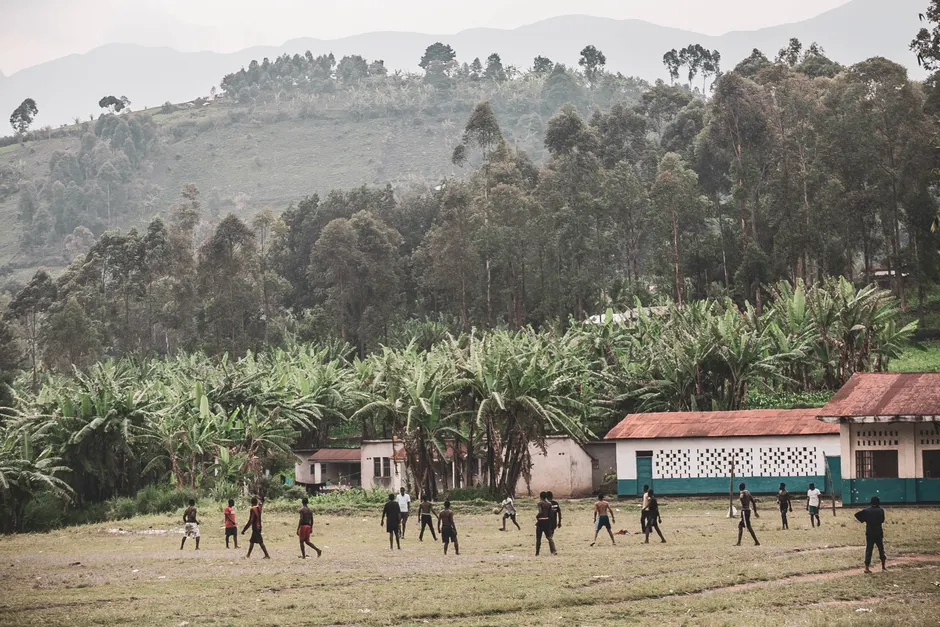
A village football tournament in eastern India's Jharkhand state concluded on July 17, 2026, with the winning team receiving three castrated male goats alongside a modest cash prize, blending FIFA-regulated competition with an indigenous Ho community tradition that dates back centuries. The Rangila Star Tirilbasa tournament, now in its fifth edition, drew teams from 64 villages across the tribal-dominated Chaibasa district and was timed to coincide with the FIFA World Cup. Al Jazeera
The finals saw NCS Maudi defeat Kumbaram 1-0 on Friday, July 17. NCS Maudi's captain, Sachin Devam, told Al Jazeera that the team arrived at the tournament on two-wheelers and would need an autorickshaw to transport the goats roughly 10 kilometers (6 miles) home, where they planned a "khassi picnic" celebration. The winners received 15,000 rupees ($156) and three khassi goats; runners-up Kumbaram took 12,000 rupees ($125) and two khassis. Third-place Kobra FC Nimdhi and fourth-place Galubasa FC each earned 9,000 rupees ($93) and one goat. Additional cash prizes for man of the match, man of the series, and best goalkeeper carried no goat component.
The tournament ran from July 14 to July 17 and was organized in Tirilbasa village, located in Chaibasa, a district in Jharkhand's southern tribal belt. The name Rangila Star Tirilbasa draws on the Hindi word "rangila," meaning "colourful." Despite the rural setting, the organizers operate the tournament under the FIFA rulebook and invite referees certified by the state football association, along with popular commentators. Among the organizers was 18-year-old Manish Kudada, a player from Tirilbasa, underscoring the tournament's grassroots, youth-driven organizational structure.
The goat prize tradition is adapted from the culture of the Ho community, an Austroasiatic tribal group native to the Chaibasa region. The Ho number a little more than a million across India. For the Ho people, khassi goats hold ceremonial significance: they are used in sacrifices during religious events and rituals, and their meat is shared among community members. By embedding this practice into a competitive football tournament, the organizers have fused a globally codified sport with a locally rooted ritual economy of sacrifice and communal feasting.
The broader context here is the intersection of grassroots sport and indigenous cultural preservation in India's tribal districts, where formal institutional infrastructure is sparse but community-level organization can be remarkably disciplined. The use of certified referees and the FIFA rulebook signals an aspiration toward sporting legitimacy that sits comfortably alongside distinctly local prize structures. The khassi goat functions simultaneously as livestock, ritual object, and trophy, a layering of meanings that no standard football trophy could carry.
The tournament's fifth edition also points to a degree of institutional durability that is notable for an event organized at the village level. Sixty-four participating villages across a tribal-dominated district represent a substantial catchment area for a competition with no apparent corporate backing or state-level institutional sponsorship visible in the available reporting. The prize money, while modest by professional standards, carries real purchasing power in rural Jharkhand, and the goats carry cultural capital that cash alone cannot replicate.
The Al Jazeera feature was reported and photographed by Shweta Desai, published on July 22, 2026.
What remains striking is how the tournament illustrates the adaptability of football as a vessel for local identity. The sport arrived in India through colonial channels and has long been mediated through urban clubs and state associations. In Tirilbasa, it has been appropriated into a framework that serves entirely different purposes: reinforcing Ho ceremonial traditions, creating inter-village social bonds through competition, and giving young organizers like Kudada a platform for community leadership. The "khassi picnic" that NCS Maudi planned is not merely a post-match party; it is an extension of the Ho practice of distributing sacrificial meat among community members, now triggered by sporting success rather than a strictly religious occasion.
The tournament's alignment with the FIFA World Cup calendar adds another dimension. By scheduling the competition to coincide with football's premier global event, the organizers tether a hyper-local competition to a global sporting rhythm, giving village participants and spectators a sense of participation in a worldwide moment, even as the prizes and rituals remain firmly rooted in Ho cultural practice.


