WhatsApp Upgrades CarPlay and Android Auto, Adds Standalone iPad Sign-Ups and In-App PDFs

WhatsApp announced a suite of new features on July 22, 2026, headlined by overhauled Apple CarPlay and Android Auto experiences, the ability to sign up for the service directly from an iPad without phone linking, in-app PDF viewing and editing, and music sharing to Status from Apple Music or Spotify. TechCrunch
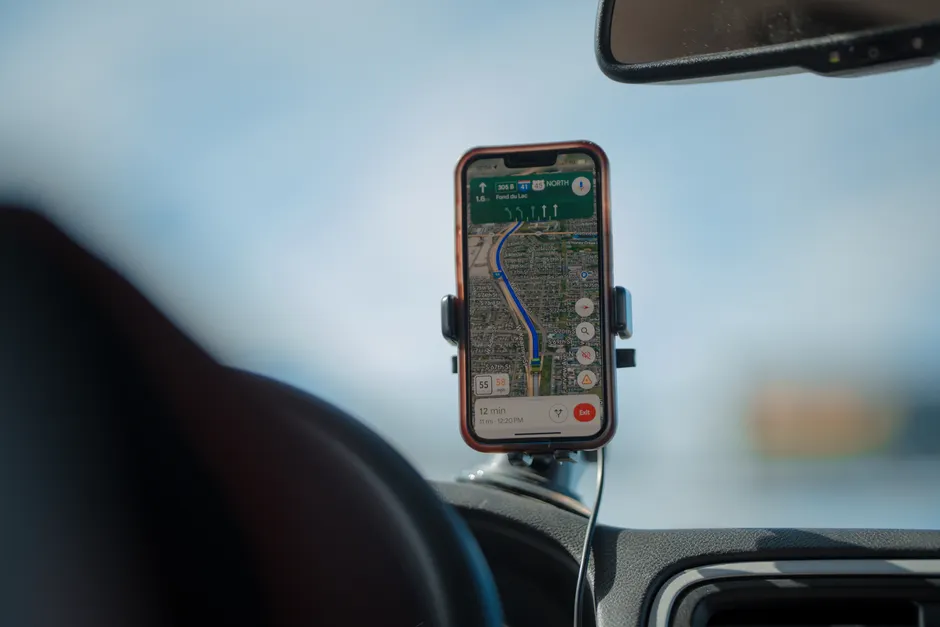
The CarPlay and Android Auto revamps bring functional parity to both platforms. Users can now hear incoming messages and reply to them, view call history, and access favorite contacts directly from the car interface. Prior to this update, WhatsApp on CarPlay was limited to composing messages and placing calls, leaving read-back and history functions unavailable.
The iPad sign-up flow is a more structural change. New users can now register for WhatsApp directly from the iPad app without first linking to a phone. Registration still requires a phone number and the ability to receive a one-time passcode via SMS. Once registered, the iPad app operates as a standalone account, not as a companion device tethered to a primary phone, according to a WhatsApp spokesperson. This removes a long-standing architectural constraint: previously, iPad users needed an active WhatsApp session on a phone to mirror, which tied the tablet's utility to the phone's connectivity and availability.
WhatsApp also added the ability to share a song from Apple Music or Spotify directly to a WhatsApp Status update, along with in-app PDF handling. Users can now open PDFs received in chats without downloading them to their device. On web and desktop, the in-app PDF viewer supports lightweight editing, including highlighting and annotating.
These announcements arrive on top of two recent additions to WhatsApp's platform. Meta launched a WhatsApp Plus subscription plan in late May 2026, part of a broader Plus tier strategy that included similar offerings for Instagram and Facebook. Then, around June 29, 2026, WhatsApp rolled out usernames, allowing users to share their profiles without disclosing their phone numbers, a meaningful step in decoupling identity from the SIM-bound phone number that has served as WhatsApp's primary identifier since launch.
Taken together, the July 22 updates and the preceding Plus plan and usernames trace a coherent trajectory. WhatsApp is widening its surface area across device categories (car, tablet, desktop), adding content-handling capabilities that keep users inside the app rather than routing them to external viewers, and gradually loosening the coupling between the phone number and the user identity. The iPad standalone account is the most architecturally significant of these moves; a companion-device model has hard limits on multi-device concurrency and offline behavior, and shifting to independent accounts on tablets changes what the app can do when a phone is off, out of battery, or on a different network.
Worth flagging is the pace. Three distinct feature waves in roughly two months — Plus subscriptions in May, usernames in late June, and this multi-feature drop in July — suggest Meta is operating WhatsApp on a faster release cadence than the cautious, incremental updates the messaging platform was known for in prior years. Whether that pace is driven by competitive pressure, monetization goals tied to the Plus tier, or internal platform maturity is not stated by the company.
The feature announcements were attributed by TechCrunch to WhatsApp, which cited a WhatsApp spokesperson for the standalone iPad account detail.