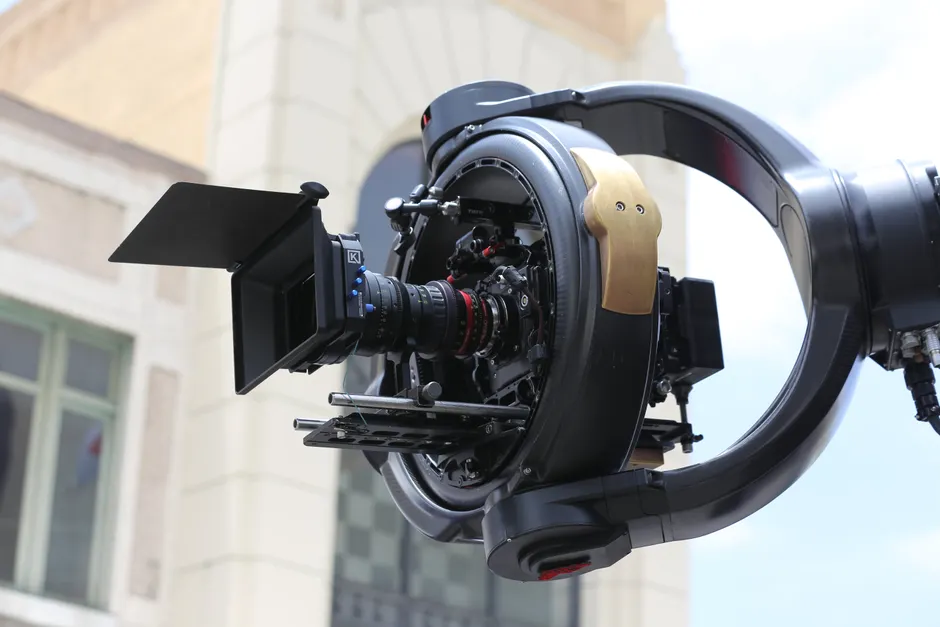
Canon EOS R6 V: The Video-Centric Evolution of the Full-Frame Mirrorless Line

Canon EOS R6 V: The Video-Centric Evolution of the Full-Frame Mirrorless Line
Canon has introduced the EOS R6 V, a video-focused variant of its enthusiast-grade full-frame mirrorless camera that advances the R6 platform's capabilities for content creators. The R6 V features 7K RAW recording up to 29.97 FPS and high-speed continuous shooting at 40 FPS, marking significant performance improvements over the original R6 that Canon announced on July 9, 2020.
The R6 V's positioning as a video camera designed for advanced creatives differentiates it from the original R6, which Canon positioned as an enthusiast-grade full-frame mirrorless camera that was essentially a stripped-down version of the flagship EOS R5. Where the original R6 provided 4K/60p recording capability and up to 20 fps with electronic silent shutter, the R6 V extends these specifications substantially.
Enhanced Video Specifications
The 7K RAW recording capability represents the most significant upgrade from the original R6's video feature set. The original R6 could capture up to 4K/60p from a slightly cropped region of its sensor with full Dual Pixel AF in all video modes. The R6 V maintains these foundations while extending resolution and frame rate options.
The R6 V's oversampling capabilities build on the original R6's oversampled 5K video functionality. This approach reduces aliasing and moiré while providing improved detail retention in the final 4K output, a technique that has become standard practice in high-end video production workflows.
Autofocus and Stabilization Advances
The R6 V incorporates Register People Priority for up to ten human subjects, expanding on the original R6's autofocus tracking capabilities. This feature addresses the multi-subject tracking requirements common in event videography and documentary production where multiple individuals move through the frame.
The In-Body Image Stabilizer system delivers 7.5 stops of shake correction, surpassing the original R6's stabilization performance. The original R6 promised a greater degree of image stabilization than other Canon cameras at its launch, and the R6 V extends this advantage further.
Performance and Connectivity
High-speed continuous shooting at 40 FPS doubles the original R6's electronic shutter performance of 20 fps. The mechanical shutter performance remains at up to 12 fps, matching the original specification. This asymmetric improvement reflects the video-centric design philosophy of the R6 V.
The R6 V maintains compatibility with Canon LP-E6N and LP-E6NH battery packs, preserving existing battery ecosystem investments for users upgrading from earlier Canon systems. The dual SD card slot configuration carries over from the original R6, providing redundancy for critical recording scenarios.
Sensor and Processing Architecture
The original R6 features the same base image sensor and image processor as the EOS-1DX Mark III, providing a native ISO range of 100-102,400. This sensor architecture established the low-light performance characteristics that made the R6 competitive with higher-end models. The R6 V appears to leverage this same foundation while optimizing processing pipelines for video-specific workflows.
Looking at the broader trajectory here, Canon's approach with the R6 V reflects a maturation of the full-frame mirrorless market that we have seen before when Canon transitioned from film to digital SLRs in the early 2000s. Rather than replacing existing models wholesale, manufacturers now create specialized variants targeting specific use cases within established product lines. The R6 V exemplifies this trend by taking a successful enthusiast platform and optimizing it for video production rather than general photography.
Market Context and Development Timeline
The original R6's development faced delays, with Canon's announcement pushed to July 2020 and shipping moved to Q3 of that year. Canon announced six lenses and two teleconverters alongside the EOS R5 and R6 in July 2020, establishing the RF mount ecosystem that now supports the R6 V.
The R6 V enters a market where video-centric camera designs have become increasingly specialized. The original R6 came closest to offering full-frame 60p video capture among Canon cameras at its launch, a positioning the R6 V now extends with its 7K RAW capabilities.
Implications for Content Creation Workflows
The 7K RAW recording capability positions the R6 V for professional video production workflows where maximum image quality and post-production flexibility are required. RAW video recording preserves the full dynamic range and color information from the sensor, enabling extensive color grading and correction in post-production that would be impossible with compressed video formats.
The 40 FPS continuous shooting performance addresses hybrid workflows where video and still photography requirements overlap. Event videographers and documentary producers frequently need to extract high-quality still frames from video footage, and the increased frame rate provides more selection options for these applications.
The Register People Priority feature for up to ten subjects directly addresses multicamera video production scenarios where consistent subject tracking across multiple angles is critical. This capability reduces the manual intervention required during post-production for complex interview or event coverage.
The R6 V represents Canon's continued investment in the RF mount ecosystem and its commitment to addressing specialized professional workflows within the enthusiast-grade price segment. By extending the R6 platform rather than creating an entirely new product line, Canon leverages existing development investments while targeting the growing market of advanced content creators who require professional video capabilities without flagship camera pricing.