Houthis Claim Missile and Drone Strikes on Two Saudi Oil Tankers in the Red Sea
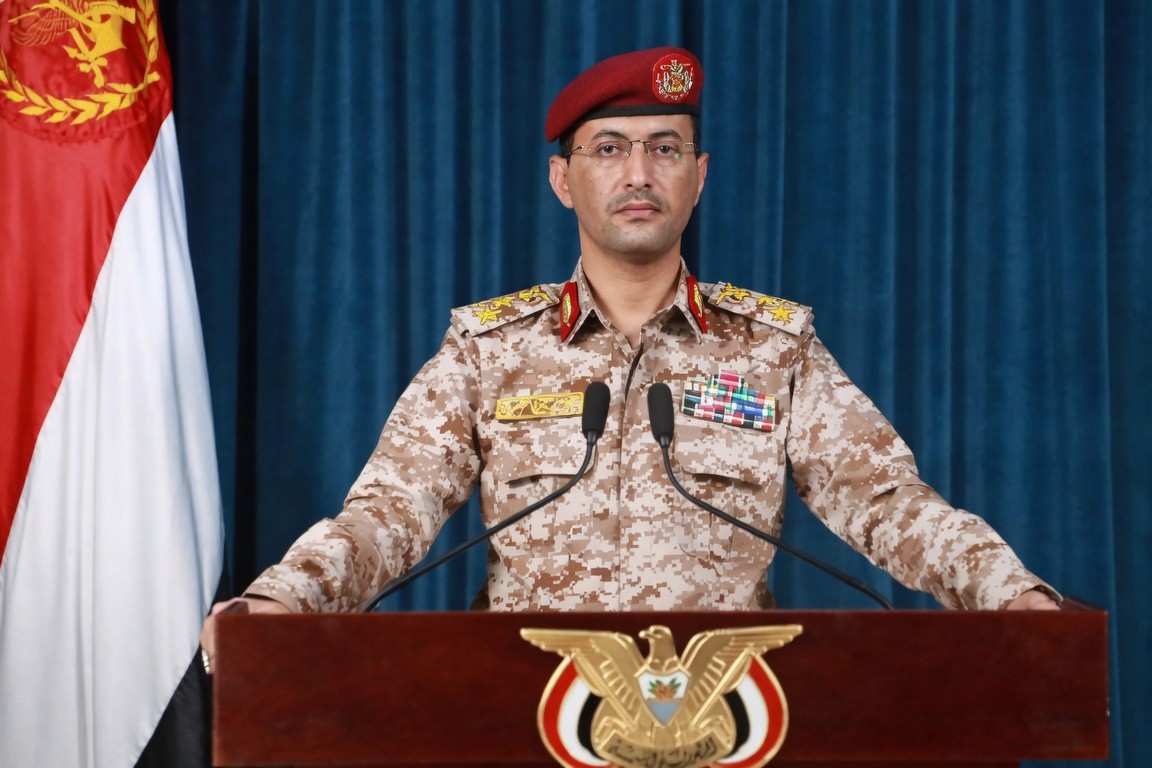
Yemen's Houthi rebels claimed responsibility for attacks on two Saudi oil tankers in the Red Sea on Wednesday, 22 July 2026, marking the first operational use of their newly declared maritime blockade against Saudi Arabia. Houthi military spokesperson Yahya Saree identified the targeted vessels as the ENCELA and the LAYLIA, stating they were struck "using a number of ballistic and cruise missiles, as well as drones" near the port of Hodeidah Al Jazeera.
Saree said the tankers were targeted "for their violation of the blockade decision issued by the armed forces." The blockade itself was imposed on 20 July 2026, two days before the attacks. The Houthi declaration followed the Yemeni government's bombing of Houthi-controlled Sanaa Airport, carried out to prevent an Iranian plane from landing. The sequence places the tanker strikes within an escalating tit-for-tat between the internationally recognized Yemeni government, backed by Saudi Arabia, and the Houthi movement, which Al Jazeera characterizes as "Iran-aligned."
The United Kingdom Maritime Trade Operations (UKMTO) reported receiving accounts of a tanker being struck. "The master of a tanker reports being struck by an unknown projectile which has caused a fire onboard that the crew are currently fighting," UKMTO stated. Saudi Arabia had not commented on the Houthi claims at the time of the Al Jazeera report.
The operational impact extended beyond the two struck vessels. Two other oil tankers carrying Saudi crude made U-turns in the Red Sea following the attack Al Jazeera. The diversions signal an immediate disruption to Saudi crude shipping through a chokepoint the Houthis have demonstrated they can contest.
This attack campaign is distinct from the Houthis' earlier Red Sea operations. The movement had suspended its campaign of attacking commercial vessels around the Bab al-Mandeb strait following a Gaza ceasefire announcement in October 2025. That earlier campaign, conducted under the banner of solidarity with Gaza, targeted vessels the Houthis linked to Israel or its allies. The current escalation is directed specifically at Saudi Arabia and arises from a bilateral Yemeni theatre dynamic rather than the broader regional framing of the previous campaign.
The broader regional architecture complicates this picture considerably. Al Jazeera reports that the Strait of Hormuz has been "effectively closed" since Israel and the United States launched a war on Iran in late February 2026. With Hormuz already shut, the Red Sea route assumes heightened strategic value for Gulf oil exports. A Houthi blockade on Saudi shipping through the Red Sea, layered on top of the Hormuz closure, tightens the constraints on Gulf crude reaching global markets from two directions simultaneously.
The Houthi use of a combined arsenal of ballistic missiles, cruise missiles, and drones against mobile maritime targets reflects a capability set refined during the earlier Bab al-Mandeb campaign. Saree's statements are habitually released via a Telegram channel known as "Yemeni War Media Videos," which has previously carried Houthi claims of attacks on vessels including the Greek-owned bulk carrier Tutor and the US Navy destroyer USS Mason. The channel serves as the movement's primary vehicle for operational announcements.
Several elements of this event remain unverified. The Houthi claim names two tankers, but UKMTO's report references a single vessel struck by an "unknown projectile." Whether UKMTO's account corresponds to one of the two named vessels or describes a separate incident is not yet clear. Saudi Arabia's silence, while notable, means no independent confirmation or damage assessment from Riyadh is available.
The chain of escalation worth tracking runs from the Sanaa Airport strike through the blockade declaration to the tanker attacks. Each step narrows the space for de-escalation. The Yemeni government's decision to bomb its own airport to block an Iranian aircraft speaks to the intensity of the proxy dynamic between Riyadh and Tehran, now amplified by the US-Israeli war on Iran. The Houthis, for their part, have chosen to operationalize their blockade within 48 hours of declaring it, rather than letting it function as a deterrent threat alone.
For energy markets and maritime insurers, the key variables are whether the Houthi blockade extends beyond Saudi-flagged or Saudi-owned vessels to any tanker carrying Saudi crude, and whether the U-turns by the two additional vessels presage a broader exodus from the route. The Houthis have previously demonstrated both the reach and the persistence to make such threats credible. The difference now is that the target is not Israel-linked shipping transiting a global chokepoint, but Saudi Arabia specifically, in a context where the alternative export corridor through Hormuz is already closed.


