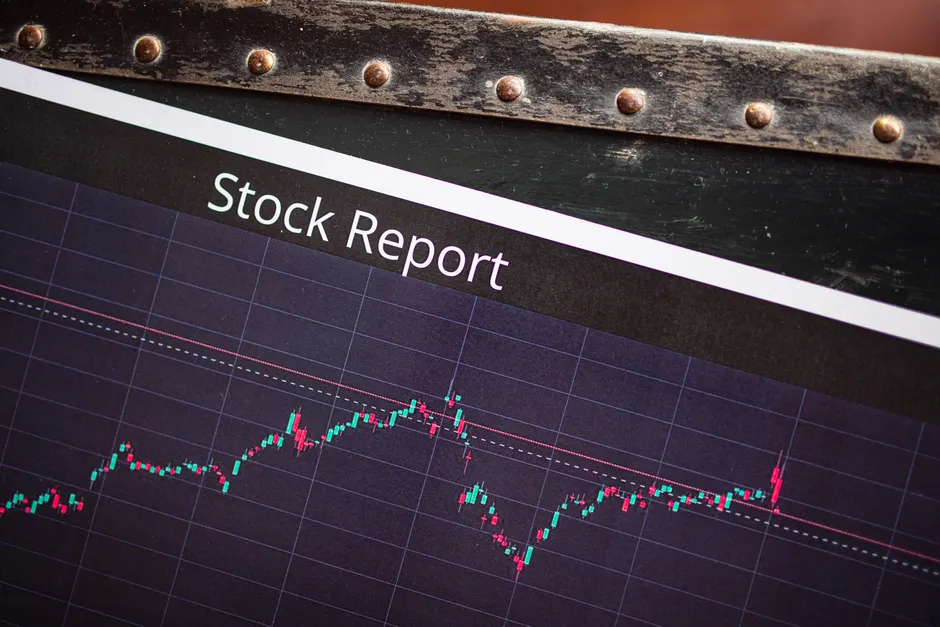
Nikkei 225 Holds Above 66,000 After Mid-July Volatility; Intel Up 178% YTD
Japan's Nikkei 225 closed at 66,306.75 on July 23, 2026, off an intraday high of 67,022.37 and a low of 66,208.66, as the index consolidated well below its recent peak of 68,256.96 reached on July 7. The July 23 close leaves the benchmark roughly 2.9% below that July 7 level, a pullback that followed a sharp single-session drop to 66,819.05 on July 8.
The index's divisor stood at 29.83110217 as of July 23, a figure that reflects the price-weighted methodology underpinning the Nikkei and adjusts for stock splits, constituent changes, and rights issues. A lower divisor amplifies the price contribution of high-priced constituents, meaning moves in names like Fast Retailing or SoftBank Group carry disproportionate index impact relative to their free-float weighting in market-cap benchmarks like the TOPIX.
The Nikkei's run to fresh all-time highs was first flagged by Bloomberg on July 9, which also reported that a chipmaker rout was pressuring equities amid renewed anxiety over AI capital expenditure trajectories. That tension — record index levels coexisting with sector-specific weakness in semiconductors — is the defining feature of the current tape. The index can climb even as a meaningful constituent cluster sells off, because the Nikkei's price-weighting means a handful of non-tech high-priced names can offset weakness in the chip complex.
Intel stands as the counterexample to the semiconductor rout narrative. Bloomberg reported on July 23 that Intel shares had gained 178% year-to-date as of mid-2026, an extraordinary reversal for a stock that spent much of the prior two years in the market's penalty box. The magnitude of that move — nearly tripling in under seven months — places Intel among the best-performing large-cap names globally for the year, even as broader chip sector sentiment has been choppy.
The divergence between Intel's individual trajectory and the "chipmaker rout" described on July 9 warrants attention. One reading is that Intel's rally reflects company-specific catalysts — restructuring, foundry strategy pivots, or takeover speculation — rather than a sector-wide revaluation. When a single name decouples this violently from its peer group, it typically signals idiosyncratic drivers rather than broad industry tailwinds. The verified data does not specify the catalyst, but the 178% figure is large enough that it cannot be explained by beta to the Philadelphia Semiconductor Index or any passive re-rating.
For index-level analysis, the Nikkei's behavior in the second week of July is instructive. The index peaked at 68,256.96 on July 7, then dropped to 66,819.05 on July 8 — a one-session decline of roughly 2.1%. That is a meaningful drawdown for a single day, and it aligns temporally with the chipmaker rout Bloomberg identified. By July 23, the index had recovered partially but had not reclaimed the July 7 high, trading in a 66,208–67,022 intraday range that suggests a consolidation phase rather than a resumption of the uptrend.
The intraday range on July 23 was tight: 813.71 points from low to high, or approximately 1.2% of the closing level. That compressed range, coming two weeks after the July 7 peak, is consistent with a market searching for direction. Volume and breadth data are not available in the verified facts, but the price action alone suggests neither panic nor conviction.
Looking at what this means for participants, the Nikkei's price-weighted structure remains the critical variable. The divisor of 29.83110217 means a 1,000-yen move in a single high-priced constituent translates to roughly 33.5 index points. For traders running Nikkei futures or options, this sensitivity is the mechanics of the trade — not background color. The interaction between Intel's U.S.-listed rally and Japanese semiconductor names trading on the Tokyo Stock Exchange adds a cross-market dimension: Intel's gains do not flow directly into the Nikkei, but sentiment spillover into Japanese chip equipment makers and silicon peers is a well-trodden correlation path.
The broader context here is an index at historically elevated levels with sector internals that are fraying at the edges. Record highs in the Nikkei, a semiconductor complex under AI-spend scrutiny, and a single U.S. chipmaker up 178% YTD form a picture of a market where headline strength masks significant crosscurrents beneath the surface.