India's Education Minister Resigns After Youth-Led Exam Leak Protests

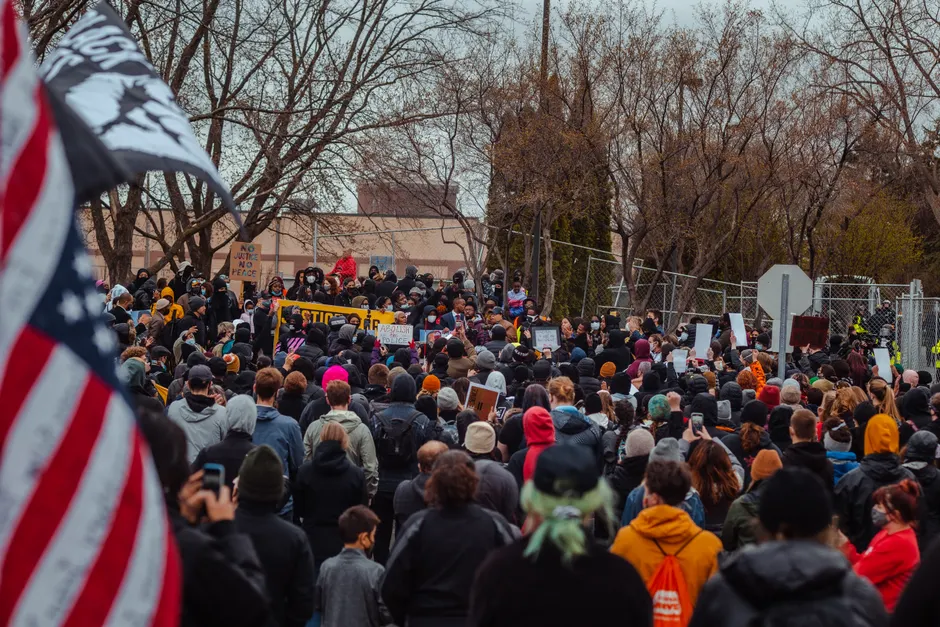
Reuters reported on July 25, 2026, that India's Education Minister Dharmendra Pradhan resigned after youth protests over exam paper leaks. The resignation followed a sustained agitation led by the Cockroach Janta Party (CJP), a student protest group that began as an online joke before evolving into a vehicle for national demonstrations. Pradhan's departure caps a week of escalating confrontations in New Delhi, where police used tear gas and batons against protesters demanding his removal.
The CJP was founded in May by Abhijeet Dipke, a Boston University student, inspired by the question, "What if all cockroaches...". The group held Pradhan directly accountable for a recent exam leak. By June 7, 2026, Dipke was quoted in The Hindu asserting that the protest would continue until Pradhan resigned. The agitation intensified through July, drawing parallel support from established activists.
On July 18, 2026, The New York Times reported that activist Sonam Wangchuk was forcibly removed by Delhi police during a hunger strike. The Hindu confirmed that Dipke began an indefinite hunger strike at Jantar Mantar in New Delhi on the same day, alongside Wangchuk. Later that day, a woman threw ink at Dipke during the Jantar Mantar protest. The New York Times subsequently reported on July 20, 2026, that police in India used tear gas and batons on protesters in New Delhi who were demanding Pradhan's resignation. Frontline magazine, published by The Hindu Group, reported that the 2026 CJP protests involved a police crackdown.
Wangchuk broke his hunger strike after 26 days, with Pradhan's resignation being chief among his demands, according to The New York Times. The New York Times also reported on July 24, 2026, that the CJP won some concessions from the government and said it would press for national demonstrations until Pradhan stepped down.
Amid the pressure on Pradhan, Union Minister of State Ravneet Singh Bittu resigned from the Union Council of Ministers. An official communiqué from the President's Secretariat confirmed the resignation, as reported on July 25, 2026. The official communiqué did not include any resignation by Pradhan. Pradhan was mentioned only in the context of ongoing protest demands and speculation.
Looking at the broader context, the trajectory of the CJP from a social media satire to a political force is worth noting. The group's ability to extract concessions and sustain a national campaign indicates a shift in how digital-native organizing can mobilize around governance failures.
The sequence of events also highlights the friction between protesters and state response. The use of tear gas and batons, the forcible removal of a prominent activist, and the ink attack on Dipke all occurred within a compressed timeframe. The resignation of Bittu, confirmed by the President's Secretariat but not including Pradhan, created a moment of ambiguity that Reuters resolved with its report on Pradhan's resignation.
For those tracking Indian politics, the key dynamic is the intersection of youth mobilization, exam integrity, and ministerial accountability. The verified facts show a clear causal chain: an exam leak, a satirical online group turning serious, sustained protests, police crackdowns, and a ministerial resignation. The CJP's stated intent to press for national demonstrations until Pradhan stepped down, combined with the concessions it won, suggests a model of protest that may inform future civil society movements in India.