U.S.-Iran Strikes Abate as Trump Administration Pulls Back From Major Escalation
The Trump administration has pulled back from major escalation in the U.S.-Iran war, with strikes between the two countries abating as the conflict enters what the New York Times describes as its latest crossroads, as of late July 2026 (New York Times).
The de-escalation arrives after months of tit-for-tat strikes between Washington and Tehran. CBS News reported that both countries exchanged reciprocal attacks during the 2026 conflict, with hostilities centering on the Strait of Hormuz (CBS News). A U.S.-Iran agreement to end hostilities was reached in June 2026, according to the same CBS reporting. Yet the ceasefire framework did not hold cleanly: on July 19, 2026, an Iranian missile and drone attack killed two people, a strike that ILTV News characterized as marking a dangerous new phase in the war (ILTV News).
The conflict unfolded against the death and burial of Iran's Supreme Leader, Ayatollah Khamenei, who was laid to rest during the war, as reported by CBS News (CBS News). Khamenei's death during an active conflict with the United States introduces a leadership-transition variable into an already volatile environment. Succession dynamics within Iran's political system, layered on top of ongoing military exchanges and a fragile ceasefire, create overlapping sources of instability that each carry distinct escalation potential.
The June ceasefire and the July strikes present a tension worth examining closely. If the June agreement was intended to end hostilities, the July 19 missile and drone attack that killed two people suggests that either the agreement lacked enforcement mechanisms, or that factions within Iran operated outside the central government's control. The New York Times characterization of the current moment as a "crossroads" points to the open question of whether the late-July pullback from major escalation will consolidate into a durable de-escalation, or whether it mirrors the June agreement's trajectory, where a pause preceded renewed strikes within weeks.
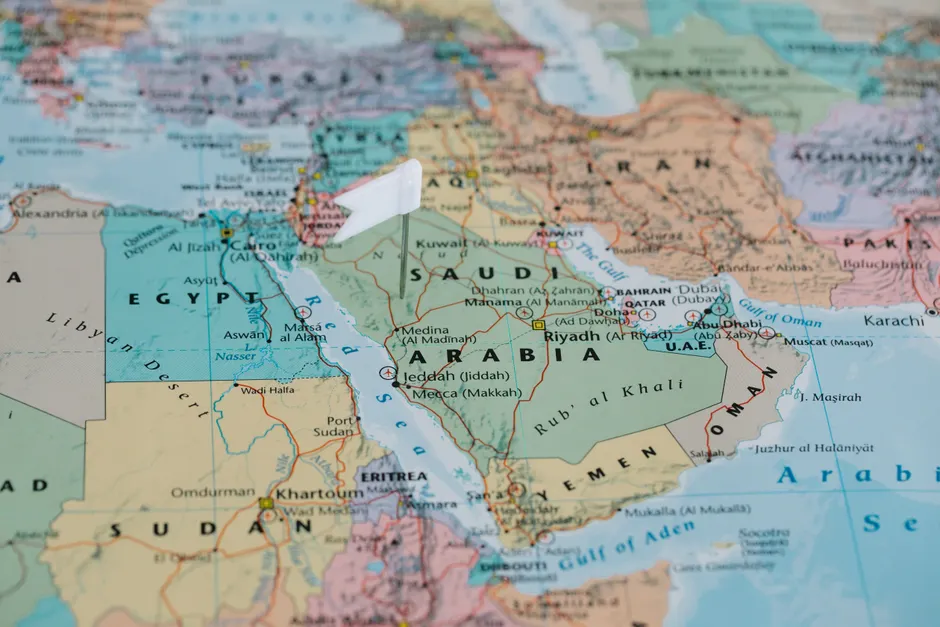
The Strait of Hormuz functions as the conflict's strategic center of gravity. The chokepoint handles a significant share of global seaborne oil shipments, and any disruption there transmits directly into energy markets and supply chains. The CBS News framing of the ceasefire as tied to Strait of Hormuz attacks indicates that the shipping lane's security was a principal driver of the June agreement. The July 19 strike, regardless of its immediate target, reinforced the vulnerability of that calculus.
For policymakers and analysts tracking the trajectory, the key variables to watch are whether the current abatement holds past the interval that separated the June agreement from the July attacks, whether Khamenei's succession produces a consolidation or fragmentation of authority over Iran's military decisions, and whether the Trump administration's pullback reflects a deliberate strategic recalibration or a tactical pause. The distinction matters. A deliberate recalibration would suggest a willingness to accept a reduced tempo of operations as a stable equilibrium, potentially opening space for diplomatic engagement. A tactical pause, by contrast, would leave open the possibility of resumed escalation once force posture is readjusted.
The conflict's information environment also warrants attention. The New York Times live reporting on July 25, published through the early hours of July 26 GMT, frames the moment as a crossroads. CBS News, reporting from July 10, provides the ceasefire and Khamenei burial details. ILTV News, from July 19, captures the attack that broke the post-ceasefire calm. Each outlet's publication date reflects a different phase of the conflict, and the most recent reporting from the Times should be treated as the current authoritative snapshot of the situation on the ground.


