US-Iran Strike Pause Sends Brent Below $90, Gold to $4,100
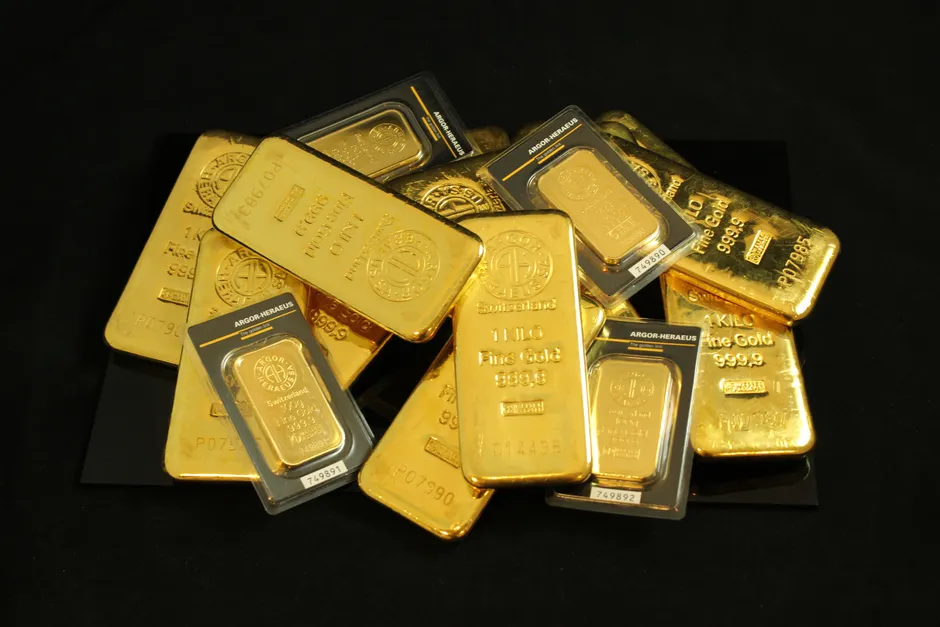
Brent crude slid approximately 5% on July 27, 2026, trading below $90 per barrel, while gold rose roughly 1.1% to near $4,100 per ounce, after the United States and Iran agreed to suspend attacks against each other over the weekend (NDTV Profit, Straits Times).
The US military did not announce new strikes against Iran on Friday, July 25, for the first time in roughly two weeks of continuous bombing under Operation Epic Fury, the named military operation launched against the Iranian regime (CNN, White House). The pause continued for a second night on July 26 (Guardian, AP News). Iran subsequently suspended its retaliatory strikes in response to the US pause (Al Jazeera).
Two factors appear to have driven President Donald Trump's decision to halt the bombing campaign. Top US military officials advised the president to pause the strikes (Guardian). Separately, the Wall Street Journal reported that declining US munitions and air-defense stocks factored into the decision (WSJ).
The campaign's final days had intensified. The US conducted strikes against Iran for three consecutive nights as of July 23 (WSJ). On July 24, Kuwait warplanes struck Iran, which the WSJ described as a rare instance of Gulf retaliation (WSJ). The Pentagon's Chief Spokesman Sean Parnell had previously characterized the broader regional conflict as a "12-day war between Iran and Israel" that ended with a ceasefire (DoD).
The market moves on July 27 reflected a rapid repricing of supply-risk premia across asset classes. Brent's 5% drop below $90 marked a sharp decompression of the geopolitical risk premium that had built into crude during the bombing campaign. The Straits Times reported that the pause in fighting eased oil supply risks and inflation concerns, which contributed to the gold price rise (Sstraits Times). The WSJ linked gold's gains directly to the weekend pause in US-Iran fighting (WSJ).
The dynamic worth noting for commodities desks is the cross-asset signal. Gold's rally to near $4,100 on easing inflation risk is counterintuitive at first glance, since lower oil prices typically reduce inflation expectations and pressure real rates higher, which would normally cap gold. But the move likely reflects the safe-haven bid unwinding more slowly than the risk-off oil sell-off, combined with positioning flows in a thin summer session. Gold had settled at $4,046.50 on Friday, July 24 (WSJ), and CME Micro Gold Futures were at 4,055.4 as of July 25 with a change of +5.2 (+0.13%) (CME Group). CME Group's benchmark gold futures contract trades the equivalent of nearly 27 million ounces daily (CME Group), meaning even modest percentage moves represent substantial notional value.
The WSJ's reporting on dwindling air-defense stocks raises a distinct consideration for defense and macro analysts: the pause may reflect logistical constraints as much as diplomatic calculation. If munitions availability was a binding constraint on sustained operations, the pause could prove temporary rather than a durable ceasefire. Market participants pricing in a permanent de-escalation should weigh that the stated catalyst, dwindling stocks, is a supply-side factor that can change with resupply timelines rather than a strategic decision to end the campaign. The word "pause" itself, used consistently across the Pentagon and the White House, implies a temporary suspension rather than a permanent cessation, and the distinction matters for how much risk premium should remain priced into crude and gold.
For fixed-income and inflation markets, the key question is whether the oil decline feeds through to breakeven rates and consumer inflation expectations. A sustained sub-$90 Brent would reduce headline CPI pressure materially if it holds, though the two-week bombing campaign and its disruption to Gulf shipping lanes may have already left residual cost effects in the pipeline. The fact that the pause reportedly eased inflation concerns suggests markets are already pricing some of that transmission, but the lag between spot oil moves and realized consumer price data typically runs several weeks.