Graham's Funeral Brings Netanyahu and Zelenskyy to Washington as Two Wars Converge
Two days of funeral ceremonies for Senator Lindsey Graham began in Washington on Tuesday, July 28, 2026, drawing Israeli Prime Minister Benjamin Netanyahu and Ukrainian President Volodymyr Zelenskyy to the capital for a sequence of events that folded diplomacy into mourning. Both leaders were scheduled to meet Donald Trump at the White House in connection with their visit, and Zelenskyy was set to meet with the U.S. Senate on Tuesday evening as well, with a Russia sanctions vote expected in the chamber The Guardian Al Jazeera.
Graham, a Republican from South Carolina, died on Saturday, July 11, 2026, at the age of 71, shortly after returning to Washington from a trip to Kyiv. Medical findings reported by the Associated Press indicated he likely died after an aorta tear Associated Press. U.S. senators paid tribute to him on Monday, July 13, 2026 Reuters. The most recently published source, The Guardian, describes the cause as a heart condition.
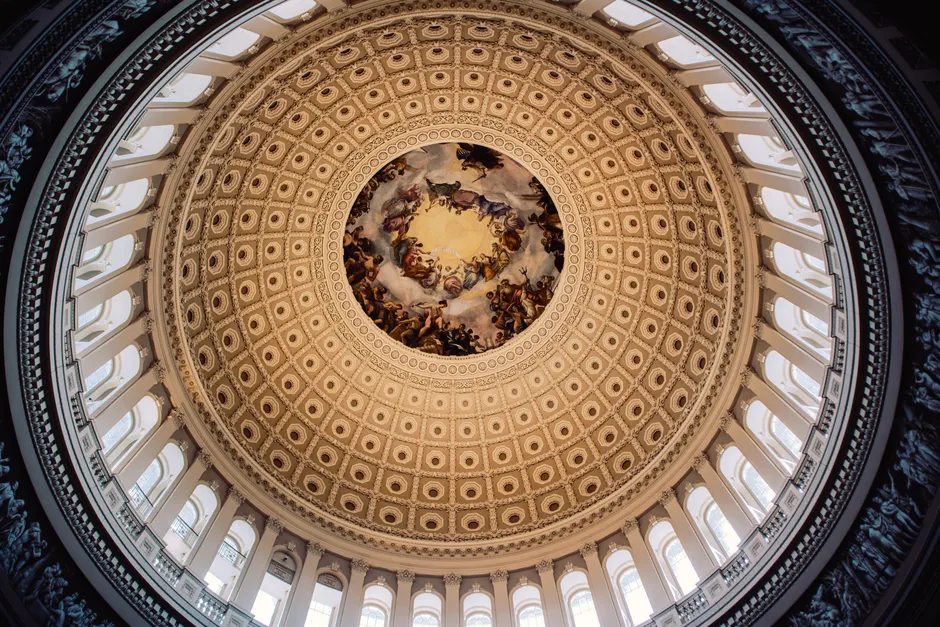
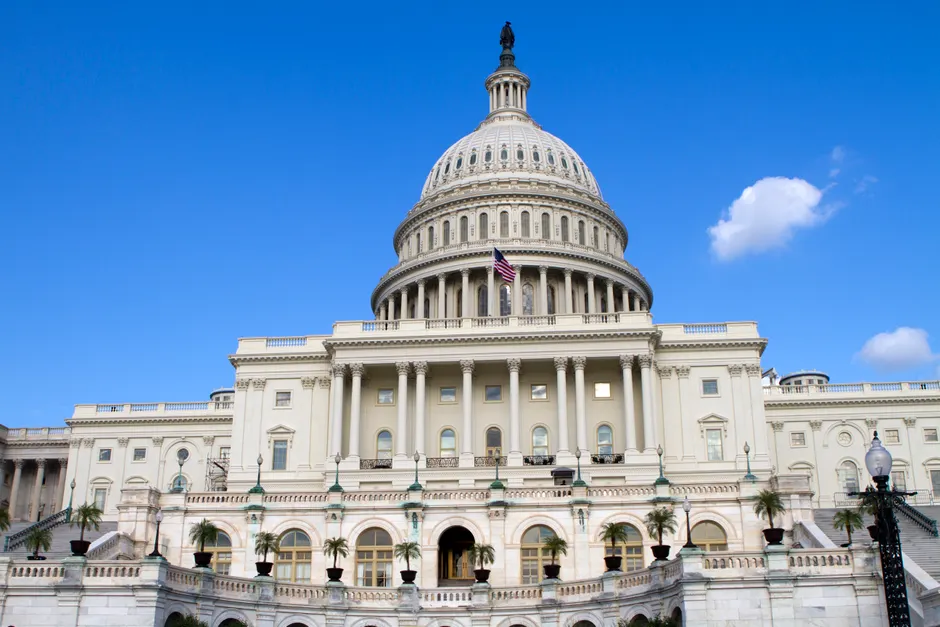
The funeral arrangements spanned two cities. Tuesday's events began on Capitol Hill, where Graham served eight years in the House and 23 years in the Senate. His casket was taken from the Capitol Rotunda to the Washington National Cathedral for an afternoon service, with Trump among the scheduled speakers. On Wednesday, July 29, ceremonies were set to continue in South Carolina, including an F-16 flyover at the state house in Columbia, a procession to First Baptist Church, and a private family burial in Pickens County, where Graham was born in the town of Central alongside his younger sister Darline, who succeeded him in the Senate. Trump had publicly stated on July 13 that Darline should be appointed interim senator Reuters.
Graham's final diplomatic mission was to Kyiv earlier in July, where he met Zelenskyy while working on a new Russia sanctions bill. That legislation now awaits a Senate vote that Reuters reported on July 27 was expected this week Reuters. The convergence of the sanctions vote with Zelenskyy's visit gives the White House meeting a concrete legislative deliverable, though the outcome of the vote remains uncertain.
Zelenskyy was hoping for a more constructive White House meeting than the one in February 2025 that became famous for its contentious nature. The Trump-Zelenskyy dynamic has been a persistent variable in U.S. support for Ukraine, and the funeral provided a diplomatic vehicle for a reset that might otherwise have required a standalone visit.
The Netanyahu dimension is more fraught. Reports indicated Trump and Netanyahu's relationship had been under considerable stress, with angry confrontations over Netanyahu's threat to resume bombing in Beirut. The U.S. has not joined Israeli attacks on Lebanon, despite Graham advocating for it directly with Netanyahu in footage that surfaced after his death.
That footage, released by the Wall Street Journal, was shot behind the scenes in February 2026 and showed Graham's reactions on the first day of U.S.-Israeli strikes on Iran. In the documentary, Graham said: "I almost cried… It's the best thing I've ever done. He loves blowing stuff up," referring to Trump. He compared the pairing to the great wartime alliances: "Trump and Bibi [Netanyahu] are like Roosevelt and Churchill. They're the right two guys to confront this evil."
The same footage captured Graham's prediction that it would take three to four weeks of attacks on Iran for the regime to start losing control of cities. That has not happened. The strikes' first day killed at least 175 people, most of them schoolchildren, in the Iranian city of Minab, in all likelihood by U.S. missiles in a "double tap" strike, according to The Guardian's reporting The Guardian.
The juxtaposition of Graham's private enthusiasm for the Iran strikes with the Minab casualties, and his unfulfilled prediction of regime destabilization, casts a long shadow over the funeral's diplomatic theater. Netanyahu and Zelenskyy occupy very different positions in Trump's foreign policy orbit, yet both are dependent on continued American military and political support that Graham spent his final weeks in the Senate trying to secure.
On the Israel file, the House of Representatives defeated a bid to cut off Israel aid on July 15, 2026, in a vote that divided Democrats Reuters. The measure's failure underscored continued congressional support for Israeli operations even as the Lebanese escalation tested the limits of that backing within the executive branch.
The broader context here is that Graham's death removed a legislator who functioned as a personal bridge between Trump and two leaders whose wars depend on American decisions made in the coming months. His sanctions bill, his Kyiv diplomacy, and his behind-the-scenes advocacy for expanding the Iran and Lebanon campaigns all represent unfinished threads that the funeral's diplomatic side meetings may or may not advance. Graham's absence from those conversations is itself consequential for the trajectory of both conflicts.
What remains is a moment where three leaders with histories of friction with each other gather in a setting that demands comity. Whether the funeral format yields diplomatic substance or merely protocol will depend on what happens in the White House meetings and on the Senate floor this week.