Google and Samsung Launch Android XR Platform with Smart Glasses Partnerships
Google and Samsung Launch Android XR Platform with Smart Glasses Partnerships
Google and Samsung have jointly announced Android XR, a new extended reality platform designed to power both headsets and smart glasses, with initial hardware partnerships spanning fashion brands Gentle Monster and Warby Parker. The platform marks a significant expansion of the companies' collaboration beyond their existing smartphone and tablet ecosystem into wearable computing.
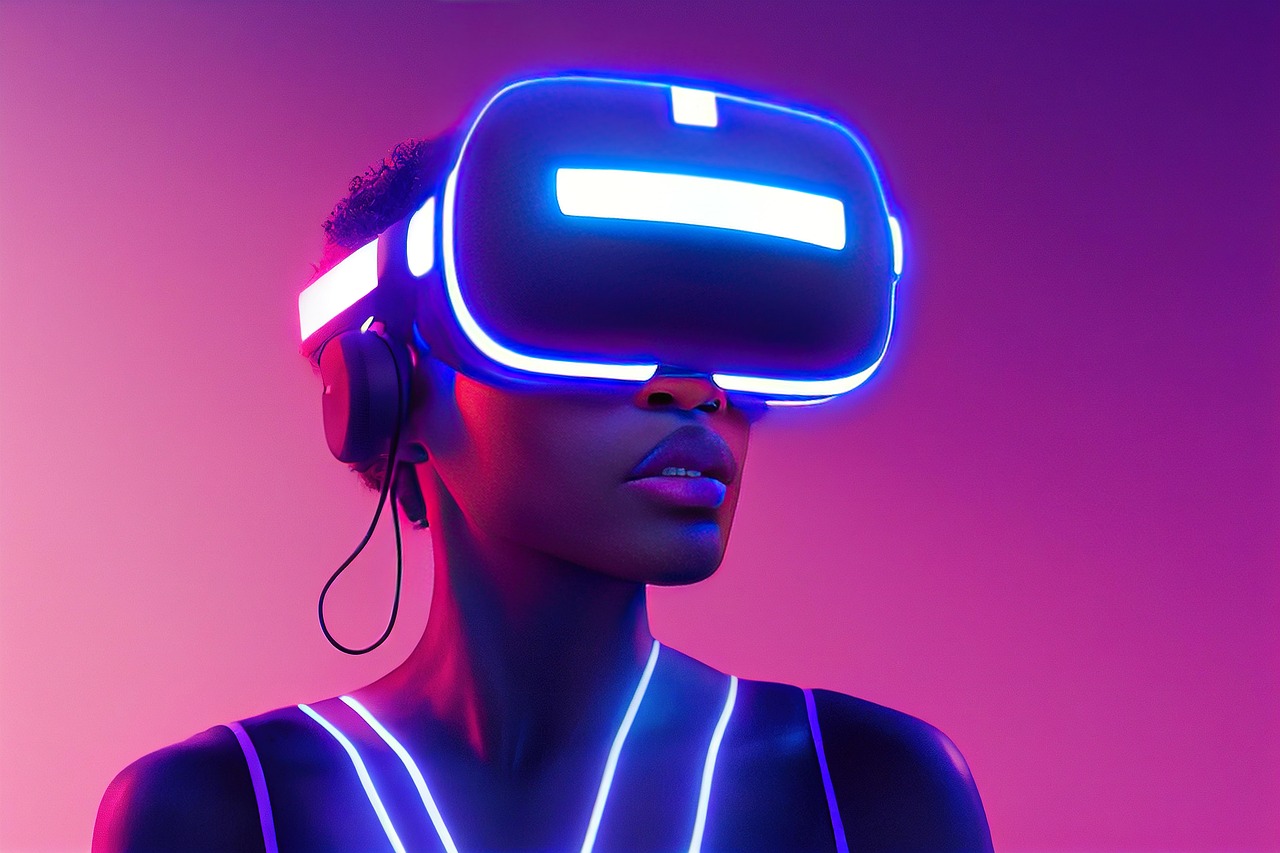
Samsung's Galaxy XR represents the first commercial product built on the Android XR foundation, developed in partnership with Google and Qualcomm Technologies. The device leverages what Samsung characterizes as multimodal AI at its core, enabling natural interactions through voice, vision, and gesture with Android applications optimized for the extended reality environment.
Hardware Architecture and Partnerships
Android XR smart glasses incorporate built-in cameras, microphones, and speakers that integrate with smartphone ecosystems. The platform supports optional in-lens displays that present information selectively to wearers when required, rather than maintaining persistent visual overlays.
Google has formalized development partnerships with multiple eyewear manufacturers to accelerate hardware diversity. The company announced collaborations with Gentle Monster and Warby Parker for immediate smart glasses development, with plans to expand partnerships to include Kering Eyewear for additional consumer choices in future product cycles.
The Warby Parker partnership involves Google contributing to both product development and commercialization costs, with the eyewear company facing milestone-based requirements tied to Google's equity investment structure. Gentle Monster has established official collaboration channels with both Google and Samsung for intelligent eyewear development, offering customer notification services for their AI glasses collaboration updates.
Platform Capabilities and Developer Access
Google demonstrated real-time translation functionality on Android XR smart glasses, displaying conversation translations as augmented reality subtitles overlaid on the user's field of view. This capability leverages the platform's integrated camera and microphone arrays to process and translate spoken language in real-time.
Developer access to the Android XR platform for smart glasses applications will become available in the second half of 2024, according to Google's timeline. The company and Samsung are jointly constructing both software frameworks and reference hardware platform foundations to support third-party development efforts.
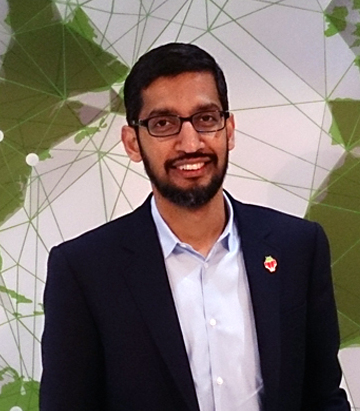
Sameer Samat, President of Android Ecosystem at Google, positioned the industry at an inflection point for extended reality, citing breakthroughs in multimodal AI that enable more natural and intuitive technology interactions compared to previous generation XR implementations.
Prototype Development and Market Context
Beyond the announced partnerships, Google has collaborated with Xreal on Project Aura, a prototype smart glasses implementation running the same Android XR software stack deployed in Samsung's commercial products. This prototype development suggests Google's platform strategy extends beyond Samsung's immediate hardware implementation to encompass a broader ecosystem of XR device manufacturers.
The Android XR platform represents Samsung, Google, and Qualcomm's collective response to the evolving extended reality market, positioning their collaboration as a long-term vision for wearable computing rather than a single-product initiative. Galaxy XR serves as the foundation for what Samsung describes as the beginning of the Android XR ecosystem, with scalability and openness as core architectural principles.
Looking at historical patterns in mobile computing, we have seen this collaborative platform approach succeed before when Google, Samsung, and hardware partners established Android's dominance in smartphones. The same tripartite relationship—Google providing software, Samsung delivering flagship hardware, and Qualcomm supplying silicon—proved effective in challenging Apple's iOS ecosystem during the smartphone transition of the late 2000s and early 2010s.
The smart glasses market differs substantially from smartphones in adoption barriers and use cases, but the partnership model mirrors successful precedents. By securing fashion-forward partners like Gentle Monster and established eyewear retailers like Warby Parker, Google appears to be addressing the style and distribution challenges that plagued earlier attempts at mainstream smart glasses adoption.
Technical Implementation and Integration
The Android XR platform's emphasis on smartphone integration acknowledges the reality that smart glasses will likely function as connected accessories rather than standalone computing devices for the foreseeable future. This architectural decision leverages existing Android infrastructure while avoiding the power and thermal constraints that would limit extended battery life in lightweight eyewear form factors.
The optional in-lens display approach suggests Google has learned from previous smart glasses implementations that maintained constant visual elements, which proved distracting and socially awkward for users. By making visual information contextual and selective, Android XR smart glasses may achieve better social acceptance while preserving core augmented reality functionality.
Voice, vision, and gesture recognition capabilities position the platform for hands-free interaction patterns that align with eyewear usage scenarios. This multimodal approach acknowledges that touch interfaces, while effective for handheld devices, become impractical when the computing device is mounted on the user's face.
The collaboration between Google, Samsung, and Qualcomm creates a vertically integrated stack spanning software, hardware design, and silicon optimization. This integration level may prove crucial for achieving the performance and power efficiency requirements necessary for successful consumer adoption of smart glasses technology.
The broader implications point toward a potential shift in how users interact with digital information, moving from primarily handheld device interactions to ambient, context-aware computing experiences. Whether Android XR succeeds in catalyzing this transition will depend heavily on execution quality, developer ecosystem adoption, and consumer acceptance of wearing computing devices as daily eyewear.