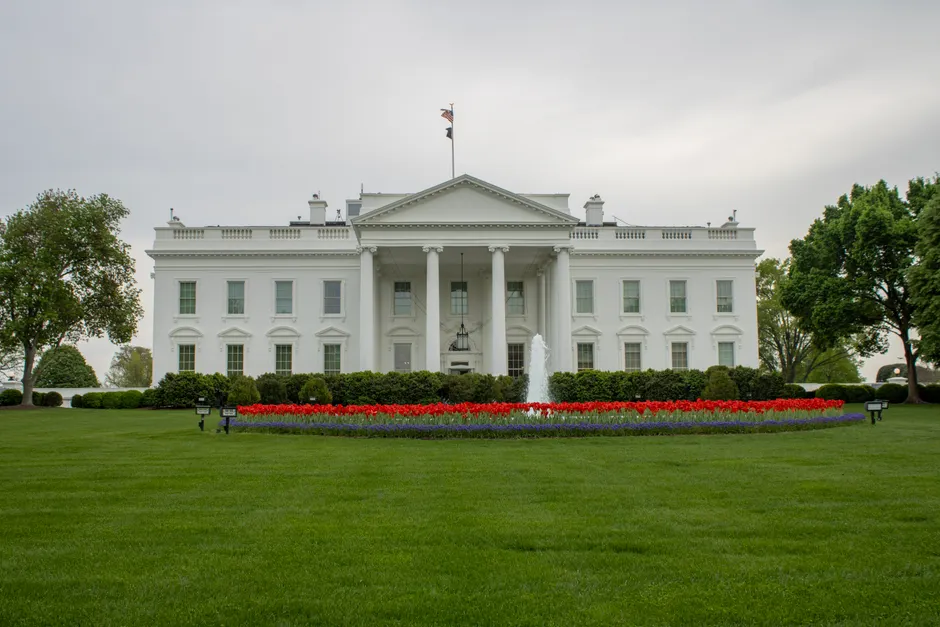
Trump Hosts Back-to-Back White House Meetings with Zelenskyy and Netanyahu as Iran War and Midterm Pressures Mount

Donald Trump held consecutive White House meetings with Volodymyr Zelenskyy and Benjamin Netanyahu on July 28, 2026, packing two of the highest-stakes bilateral relationships on his agenda into a single morning while brushing off pressure to escalate the Iran war The Guardian CNN.
Zelenskyy departed the White House at 10:41 a.m., and Netanyahu arrived approximately fifteen minutes later, at 10:56 a.m., according to pool reports NBC News. The tight sequencing left little daylight between two conflicts that have defined Trump's foreign policy portfolio this year.
The closed-door Oval Office session with Netanyahu lasted roughly an hour. It was Netanyahu's first visit to the Oval Office since he and Trump launched a joint military campaign against Iran on February 28, 2026 The Guardian. A White House official said the agenda was expected to cover Iran, a US-Israel framework deal with Lebanon, and a possible expansion of the Abraham Accords The Guardian.
Trump brushed off pressure to escalate the Iran war during the meeting, a stance that lands against a strained personal dynamic between the two leaders CNN. Trump had previously called Netanyahu "crazy" amid tensions over Israel's continued fighting against Iran and Hezbollah in Lebanon The Guardian. That friction now operates inside a narrower political window for both men: Netanyahu is in a re-election fight, and Trump faces pressure ahead of the November 2026 midterms The Guardian.
The Zelenskyy meeting, by contrast, focused on a concrete deliverable. The two leaders discussed licensing arrangements that would allow Ukraine to manufacture its own interceptors for Patriot missile systems The Guardian. Zelenskyy opened the meeting by offering condolences over the death of US Senator Lindsey Graham The Guardian, a nod to Graham's sustained legislative engagement on Ukraine funding.
White House Press Secretary Karoline Leavitt described both meetings as "positive and productive" The Guardian. The White House briefing room landing page, however, did not display any readout or joint statement for either meeting as of the evening of July 28 White House. The absence is notable: in an administration that has used the briefing room aggressively for narrative framing, the lack of a formal readout suggests the meetings may have concluded without a agreed-upon public deliverable.
Outside the White House, protests formed during Netanyahu's visit. Chants included "Netanyahu, you're a tyrant" and "Bibi, you're not welcome here" The Guardian. The demonstrations reflect a broader shift in US public opinion: an AP-Norc poll showed a sharp decline in support for Israel amid accusations that its conduct in Gaza amounts to genocide, which Israel denies The Guardian. That polling erosion adds a domestic political constraint on any expansion of US involvement in Israel's regional campaigns.
The juxtaposition of the two meetings draws a line between two theaters of conflict that have consumed the administration's bandwidth since February. In the Ukraine file, the Patriot licensing discussion points toward a shift from direct supply toward indigenous production capacity, a model that could deepen Ukraine's long-term munitions base but also signals an administration reluctant to commit to open-ended transfers. In the Middle East file, Trump's refusal to escalate against Iran, despite Netanyahu's lobbying, suggests he is calibrating US engagement to the midterm calendar and the declining public appetite for regional entanglement.
The broader context here is one of converging political timelines. Netanyahu's re-election fight, Trump's midterm vulnerability, and the five-month-old Iran campaign all compress the decision space for both leaders. The fact that Trump hosted them on the same morning, rather than spacing the visits over separate days, may reflect an effort to signal that both files are under active management without granting either partner the optics of a standalone, high-profile summit.
What remains unclear is whether the Patriot licensing discussion will translate into a concrete agreement, and whether the Iran agenda produced anything beyond Trump's refusal to deepen US involvement. Neither leader has issued a joint statement, and the White House has not supplemented Leavitt's brief characterization with substantive detail.