Israeli West Bank Closures Trap Patients as Checkpoint Delays Turn Fatal
Israeli Prime Minister Benjamin Netanyahu ordered a "wide-scale military operation" across the occupied West Bank on July 25, 2026, following a settler attack in the village of Tal that morning. By evening, a sweeping closure had sealed off much of the territory, including Nablus Governorate, Ramallah, and towns as far south as Bethlehem Governorate. Three days later, Palestinian patients remain trapped behind checkpoints that ambulances cannot pass without lengthy inspections, and at least three deaths have been reported since early July as a direct consequence of access restrictions on medical care, according to Al Jazeera's on-the-ground reporting published July 28.
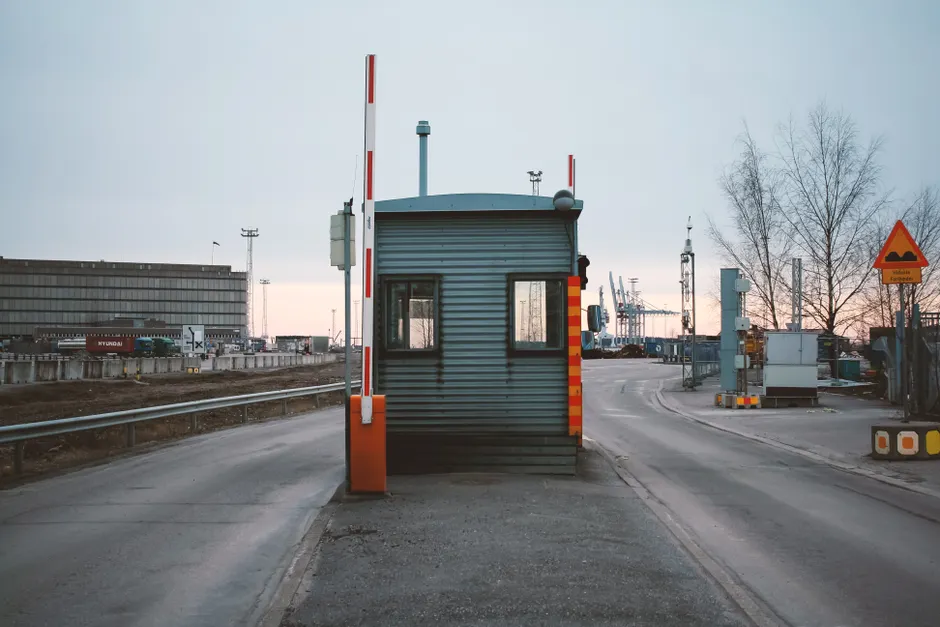
Ambulance driver Yousef Diriya, 50, was trapped for four hours at Awarta checkpoint on the evening of July 25 while transporting kidney dialysis patients. Even with advance coordination, ambulances face the same procedure at every checkpoint: inspection, photographing IDs, photographing the vehicle, and prolonged waiting. Nablus, the closest city offering sufficient medical services for surrounding villages, has had its entrances sealed off completely in recent days. Trips that normally require 20 km (12 miles) now stretch to as much as 100 km (60 miles) due to closures and detours.
On the morning of July 28, ambulance driver Bashar al-Qaryuti picked up a six-month pregnant woman from Qaryut, southeast of Nablus, who was severely bleeding. The ambulance was stopped at Awarta checkpoint for half an hour. Soldiers forced the driver to turn off the vehicle, causing medical support equipment to stop working. Soldiers searched all passengers, including the bleeding woman. Her unborn baby died before the ambulance reached the hospital. Al-Qaryuti gave testimony about the incident to Palestinian state news agency Wafa.
These are not isolated cases under the current closure regime. On July 5, three-month-old Ahmad Zaid from Deir Ammar refugee camp northwest of Ramallah stopped breathing. His family tried to get him past a locked Israeli military gate that had blocked the camp and two neighboring villages from Ramallah's hospitals since February. Soldiers refused to open the gate even after Ahmad's father carried the infant toward them pleading. The family eventually reached an ambulance by another route, but the infant was pronounced dead en route to a hospital. On July 18, 30-year-old Sujood Fuqahaa from Sinjil died of cardiac arrest after soldiers would not allow her through a checkpoint.
The closures Netanyahu ordered on July 25 accelerated a trend visible for months. Reuters reported on July 27 that the Israeli military made dozens of arrests and blocked roadways across the West Bank following the Tal incident. In April, Reuters had already documented the erection of dozens of new checkpoints across the territory. By November 2025, Reuters reported that Israel had sharply curtailed movement in the West Bank, with some Palestinian communities effectively sealed off. The US State Department's travel advisory for Israel, the West Bank and Gaza notes continued checkpoint closures throughout the territory and states that the only permitted route into Bethlehem for US government employees is restricted.
OCHA, the UN Office for the Coordination of Humanitarian Affairs, documented in a July 10 humanitarian situation report that Israeli forces installed a partial, intermittently staffed checkpoint with a closed road gate at the southern entrance to Deir in January 2025. A separate OCHA update noted that over 3,200 Palestinians have been displaced across the West Bank in 2026 by settler attacks and demolitions attributed to lack of Israeli-issued permits. Around 700,000 Jewish settlers live in the West Bank, according to Reuters.
The pattern of checkpoint-related medical fatalities carries a long historical precedent. According to a UN document, 61 women gave birth at Israeli checkpoints between September 2000 and December 2004. Thirty-six of those babies died as a result.
The broader context here is one of a closure infrastructure that has moved from intermittent disruption to near-permanent blockade. The July 25 order did not create the system; it intensified it. What distinguishes the current situation is the simultaneity of sealing across a wide geographic footprint, from Nablus to Bethlehem, combined with the denial of passage even for ambulances that have completed advance coordination with Israeli authorities. The cases of Ahmad Zaid, Sujood Fuqahaa, and al-Qaryuti's passenger each involve medical emergencies where the checkpoint was not merely a delay but an active barrier to survival. Whether the Netanyahu government's operation will be scaled back, and on what timeline, remains an open question with direct life-and-death consequences for Palestinian civilians requiring medical access.


