EU Crisis Chief Lahbib Demands Faster Climate Adaptation as France-Spain Wildfires Displace 330,000

EU Crisis Management Commissioner Hadja Lahbib called for a sweeping overhaul of Europe's climate preparedness strategy on July 29, 2026, as wildfires across France and Spain forced the evacuation of 330,000 people in what French officials described as likely the country's largest civilian evacuation outside of wartime.
"Climate change is accelerating. So our response must evolve just as quickly," Lahbib told Reuters. She urged the bloc to ensure its climate strategy "remains in lockstep with realities on the ground" and stressed that member states "must prepare for risks before disasters strike and not simply react afterwards." Lahbib specifically called for increased funding, better education on fire risk, and a renewed focus on forest management. Al Jazeera
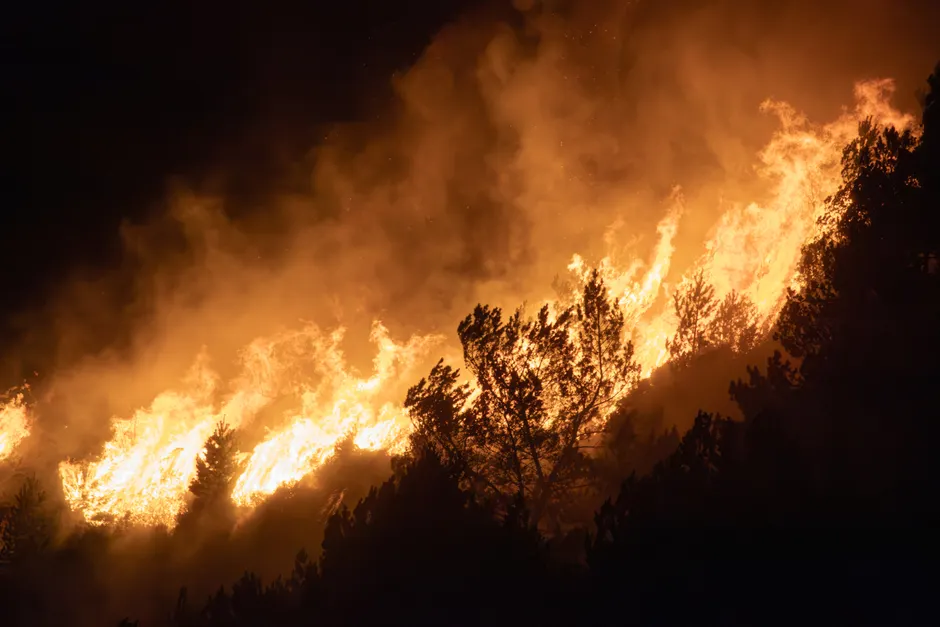
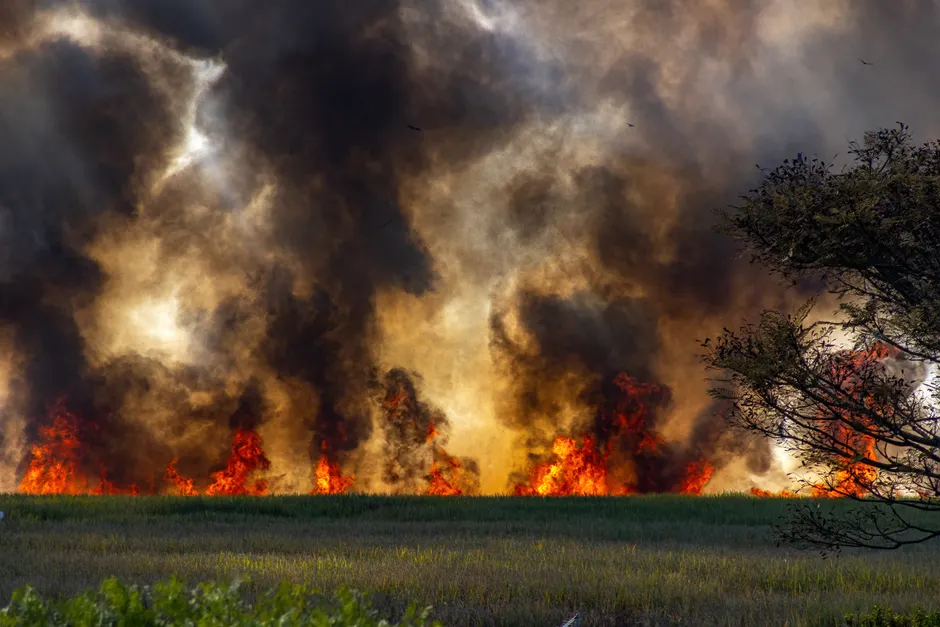
The scale of the crisis is substantial. Approximately 220,000 people were evacuated in France and more than 110,000 in Spain. French Interior Minister Laurent Nunez said the evacuations were "very likely" the country's largest civilian evacuation outside of wartime. More than 42,000 hectares burned in France's southwestern Gironde region alone, an area roughly four times the size of Paris. Temperatures in Gironde were expected to reach as high as 42°C (108°F) on July 29. Spain, meanwhile, battled what was described as a record wildfire in late July 2026. DW
The massive wildfire in southwest France was reported as remaining under control as of July 29, according to France 24. France 24
The EU's operational response has been running since early in the season. France activated the EU Civil Protection Mechanism for wildfires on July 5, 2026, and the mechanism was triggered by four countries over the course of the season. The EU deployed seven planes and four helicopters from Czechia to France as part of its wildfire assistance response. The European Commission reported on July 27 that the bloc had sent planes and firefighters to both France and Spain. European Commission PBS NewsHour
For the 2026 wildfire season, the EU put a dedicated rescEU fleet and standby teams in place for rapid deployment. The Civil Protection Mechanism is supporting 11 projects aimed at improving national wildfire preparedness and building long-term response capabilities. Lahbib had already flagged the threat on July 6, warning that Portugal and France faced an extreme wildfire risk, and delivered a speech at the European Parliament on the EU Response to Heatwaves and Wildfires the following day. European Civil Protection European Commission
The political response has sharpened. Spanish Prime Minister Pedro Sanchez said on July 28 that climate denialism was "the worst of fuels." His remark came as Spain confronted what DW characterized as a record blaze, lending his statement a pointed immediacy.
The broader context is sobering. Europe is the world's fastest-warming continent, and 2025 was the worst forest fire season on record in Europe, according to the European Commission. The annual Lancet Countdown on Health and Climate Change found that Europe is "woefully unprepared" for the health impacts of global warming. Lahbib's call for a strategy that moves from reactive to anticipatory is not occurring in a vacuum; it follows a 2025 season that set records and a 2026 season that has already displaced populations on a scale French officials compare to wartime mobilization.
What bears watching is whether Lahbib's demands translate into binding EU-level policy. The rescEU fleet and the 11 preparedness projects under the Civil Protection Mechanism represent operational readiness, but Lahbib's emphasis on increased funding and forest management points toward structural, longer-term investments that require member-state buy-in and multi-year budget commitments. The gap between the EU's rapid-deployment capabilities and its preparedness infrastructure is where the political negotiation will likely unfold. The 2025 record season did not produce a publicly visible overhaul of the bloc's climate adaptation framework; the question now is whether consecutive catastrophic seasons will force the institutional shift Lahbib is pressing for.
Four countries activating the Civil Protection Mechanism in a single season, combined with Lahbib's July 6 warning and subsequent parliamentary address, suggest the EU's crisis management apparatus saw the 2026 season coming. The evacuations in France and Spain are testing whether that anticipation was matched by resources on the ground.