Working Nintendo Famicombox Units Found in Japanese Love Hotel
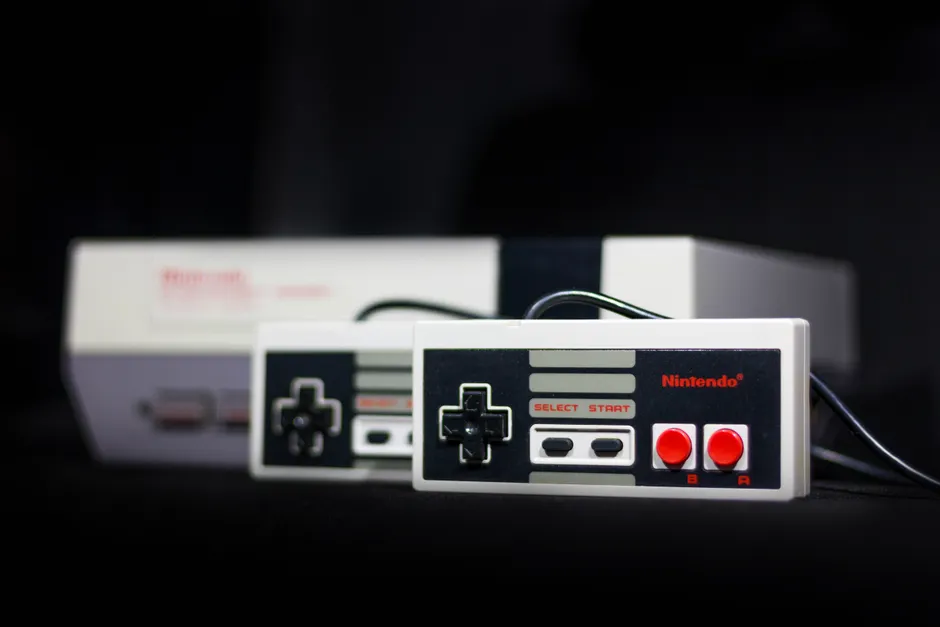
A Famicom archivist known by the alias Orochi has discovered multiple fully functional Nintendo Famicombox consoles installed throughout a Japanese love hotel, whose name was not publicly disclosed (Engadget).
The Famicombox units were found in every room of the hotel except one. According to Engadget's July 29 reporting, the consoles were fully operational, with nearly all installed games playable. The sole exception was Zapper-required shooting titles, which could not be used because the light gun's optical sensing is incompatible with modern LCD displays — a hardware limitation that has persisted since the transition away from CRT televisions.
Orochi originally posted the discovery on X (formerly Twitter), where the post went viral. Automaton Media was the first outlet to report on the find, publishing on July 24 (Automaton Media). Eurogamer followed on July 28 (Eurogamer), and Kotaku covered the story on July 25 (Kotaku). GoNintendo also picked up the story.
The Nintendo Famicombox was a commercial 8-bit Famicom system released in Japan in 1986, engineered specifically for hotel deployment. It could hold up to 16 game cartridges in an internal multi-cart cage, allowing guests to select from a menu of pre-loaded titles without physically swapping media — a design intended to minimize theft and wear in hospitality settings. Notably, the Famicombox used NES controllers and NES-format cartridges rather than the Japan-only Famicom peripherals and cartridge form factor. This hardware crossover meant the commercial unit leaned on Nintendo's Western connector standard internally, even though it was never sold at retail in any market.
For hardware archivists and preservationists, the discovery is significant. The Famicombox is a rare, commercially restricted platform that was never available to consumers. Functional units are uncommon; finding an entire hotel's worth of them, still wired in and still running original cartridges, is the kind of field discovery that normally exists only in collector anecdotes without verifiable provenance. The fact that the consoles remain operational after approximately 40 years of continuous or near-continuous installation speaks to the durability of the Famicom's underlying hardware design — the same engineering that made the consumer Famicom and NES notoriously resilient.
Automaton Media noted that the discovery rekindled a pre-existing urban myth connecting Nintendo to love hotels. The company's history before its dominance in video games included ventures into different leisure businesses in mid-century Japan, and the myth — partly rooted in fact, partly embellished over decades of retelling — has long circulated in gaming communities. Finding a Nintendo-manufactured device physically installed in a love hotel gave the story a new, tangible artifact to attach to the legend.
The Zapper limitation is worth noting as more than a footnote. Light gun games relied on CRT scan timing: the Zapper detected whether its photodiode registered the bright flash drawn at a specific screen position during the CRT's raster refresh cycle. LCD panels refresh the entire frame simultaneously rather than scanning a beam line by line, so the timing window the Zapper was designed to read never occurs. This is the same incompatibility that affected every consumer NES Zapper owner who tried to play "Duck Hunt" on a flat-panel TV, and it means a subset of the Famicombox's library is effectively inaccessible without period-appropriate display hardware.
What stands out here is the collision of preservation and happenstance. Hotel-installed hardware from the 1980s has been disappearing for decades as properties renovate and old units are discarded. That an entire installation survived, unmodified, into 2026 is unusual. Most surviving Famicombox units in collector hands arrived there through decommissioning channels or secondary markets, often without their original cabling, cartridge caddies, or installation context. These units retain all of that. For anyone studying Nintendo's commercial hardware strategy or the hospitality-entertainment intersection of the era, a fully intact installation is a primary-source artifact of a different order than a loose console on a shelf.
Orochi has not disclosed the hotel's name, which is likely a deliberate choice. Love hotels in Japan operate with a strong expectation of discretion, and public attention could complicate the hotel's operations or prompt removal of the hardware. Whether the units remain in place long-term, or whether a preservation organization steps in, is an open question that the coverage so far does not answer.


