Florida Plans to Redirect $200M in NEVI EV Charging Funds to eVTOL Vertiports
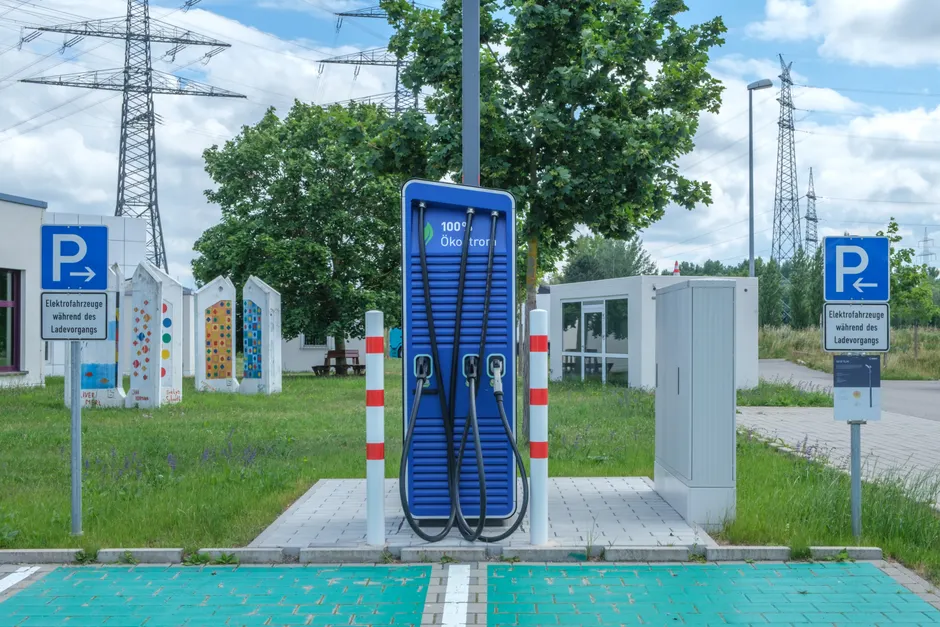
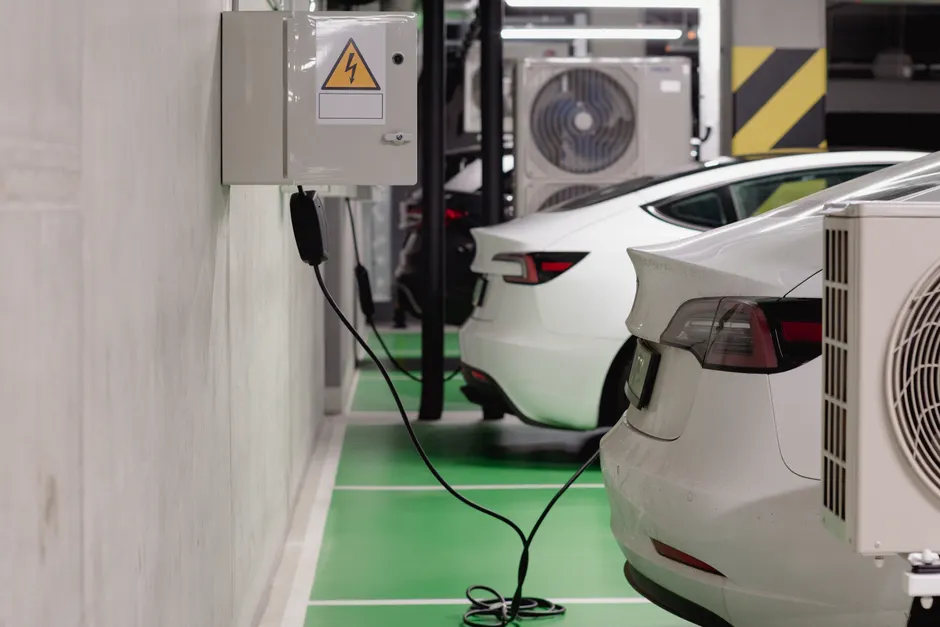
The Florida Department of Transportation plans to use nearly $200 million in federal electric vehicle charging funds to build a network of landing pads and charging stations for electric vertical take-off and landing (eVTOL) aircraft, according to TechCrunch. The Miami Herald first reported the plan.
Florida was awarded the money under the National Electric Vehicle Infrastructure (NEVI) program, established through the Bipartisan Infrastructure Law. The Florida Department of Transportation never spent its NEVI allocation, asserting that private companies have built a sufficient EV charging network across the state without public investment.
The department's proposal calls for 32 vertiports equipped with charging infrastructure for eVTOL aircraft. Envisioned locations include golf courses, luxury apartment buildings, and airports. One proposal specifically targets a vertiport at Orlando International Airport as part of Central Florida's electric air taxi infrastructure vision.
The legal mechanism FDOT is relying on is updated NEVI program guidance issued by the Trump administration on August 11, 2025. The revised guidance allows states with "fully built out" EV charging corridors to reallocate their NEVI funding toward EV charging infrastructure on any public road or in other publicly accessible locations. FDOT's argument is that Florida's charging corridors qualify as fully built out, freeing the funds for broader reallocation.
Governor Ron DeSantis has been advancing the vertiport agenda throughout 2025. In June, he signed an aerospace and transportation agreement that provided FDOT the framework to invest in vertiport construction. By October, he announced that construction of the first of two Advanced Air Mobility (AAM) vertiports was officially underway, with the initial facility located at SunTrax, a transportation technology testing facility, to support AAM research.
The timeline is notable for what has not happened on the EV charging side. Florida received its NEVI allocation and then declined to deploy it for its intended purpose, pivoting instead to infrastructure for a mode of transportation that does not yet carry paying passengers at any commercial scale. The eVTOL industry has attracted substantial investment and produced prototype aircraft from multiple manufacturers, but certified, operational air taxi services in the United States remain pre-commercial. The vertiports Florida proposes to build would be ready before the aircraft they are designed to serve have cleared regulatory certification and entered revenue service.
This is a calculated bet. If eVTOL adoption materializes along the timelines that companies like Joby Aviation and Archer Aviation project, the vertiport network positions Florida as an early infrastructure host. The state's geography and tourism economy are well suited to short-hop aerial mobility. The proposal targets the kinds of locations, golf courses, airports, high-end residential developments, where early adopters of premium air taxi services are concentrated.
The risk is straightforward. Federal NEVI funds were appropriated by Congress to address a specific gap: the absence of reliable, standardized fast-charging infrastructure along highway corridors for passenger EVs. Florida's assertion that private charging networks have closed that gap is contestable. Charging network reliability and coverage outside major metropolitan areas and along interstate corridors remains uneven nationwide, and Florida is no exception. Redirecting the funds to vertiports means the EV charging gap, to whatever degree it persists in Florida, will not be addressed with federal infrastructure money.
There is also a precedent concern here. If one state can declare its EV charging corridors "fully built out" and redirect funds to a different transportation mode, other states may seek similar reallocations. The NEVI program's updated guidance gave states flexibility, but the Florida application tests the boundaries of that flexibility. No other state has publicly proposed a comparable reallocation of NEVI funds to eVTOL infrastructure at this writing, based on the available reporting.
The plan still requires federal approval. The Federal Highway Administration, which administers NEVI, must sign off on Florida's determination that its corridors are fully built out and on the proposed use of the redirected funds for eVTOL charging infrastructure. Neither approval is guaranteed. FHWA could determine that Florida's charging network does not meet the "fully built out" standard, or that eVTOL charging stations fall outside the scope of permissible reallocations under the updated guidance.
What is clear is that Florida is testing a novel interpretation of federal infrastructure policy. The outcome will matter not just for the 32 proposed vertiports, but for whether NEVI funds remain tethered to their original purpose or become available for a broader range of electrified transportation infrastructure.