Sennheiser Expands Premium Audio Portfolio with Three New Product Lines at CES 2024

Sennheiser Expands Premium Audio Portfolio with Three New Product Lines at CES 2024
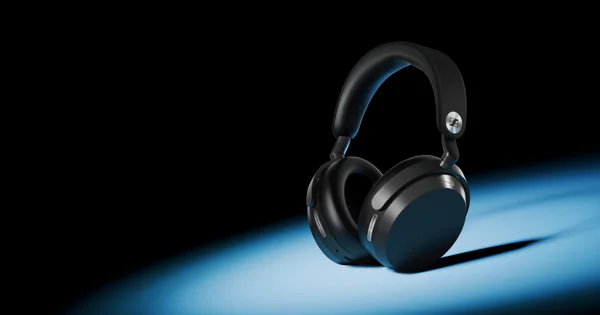
Sennheiser announced three new audio products at the Consumer Electronics Show in Las Vegas on January 8, 2024, expanding its premium lineup across earbuds, fitness-focused wearables, and over-ear headphones. The German audio manufacturer unveiled the MOMENTUM True Wireless 4 earbuds, MOMENTUM Sport fitness earbuds with biometric feedback, and ACCENTUM Plus headphones.
MOMENTUM True Wireless 4: Qualcomm S5 Platform Integration
The flagship MOMENTUM True Wireless 4 earbuds represent the fourth iteration in Sennheiser's premium true wireless line, built on Qualcomm's S5 Sound Gen 2 platform. The earbuds feature Snapdragon Sound Technology for aptX lossless audio transmission, positioning them in the high-end wireless audio segment where codec support determines maximum fidelity.
The MOMENTUM True Wireless 4 will launch in three colorways: black copper, metallic silver, and graphite. Pre-orders begin February 15, 2024, with pricing set at $299.95 USD and $429.95 CAD. This represents a strategic positioning against competitors like Sony's WF-1000XM4 and Apple's AirPods Pro, both in similar price ranges.
The Qualcomm S5 Gen 2 platform brings improved power efficiency and enhanced audio processing compared to previous generations. The aptX lossless capability requires compatible source devices with Snapdragon processors, limiting the feature's utility to Android devices primarily. iPhone users will default to standard Bluetooth codecs like AAC.
MOMENTUM Sport: Biometric Integration for Fitness
The MOMENTUM Sport earbuds target the fitness wearable market with real-time biometric feedback capabilities. This product line represents Sennheiser's entry into the health-focused audio segment, where competitors like Jabra and Samsung have established presence with heart rate monitoring and fitness tracking integration.
The biometric feedback functionality suggests sensor integration within the earbuds themselves, though specific health metrics supported were not detailed in the announcement. The fitness-focused design likely includes enhanced water resistance ratings and secure fit mechanisms for athletic activity.
ACCENTUM Plus: Mid-Range Over-Ear Expansion
Sennheiser also announced the ACCENTUM Plus headphones, expanding the ACCENTUM line that sits below the flagship MOMENTUM series in the company's hierarchy. The ACCENTUM line targets users seeking Sennheiser audio quality at more accessible price points compared to the $399.95 MOMENTUM Wireless third-generation headphones.
Broader Product Strategy Context
These announcements come alongside Sennheiser's recent HDB 630 wireless headphones, which feature 42mm dynamic drivers and hybrid connectivity options. The HDB 630, priced at $500, includes both wireless functionality and lossless wired connection capability, addressing audiophiles who prioritize maximum fidelity alongside convenience. The model ships with a USB-C transmitter dongle supporting aptX Adaptive for improved wireless performance.
Looking at Sennheiser's product evolution over the past few years, a clear pattern emerges around platform consolidation and codec standardization. The company released the Momentum 4 wireless headphones in 2022, establishing the current design language and feature set that cascades down through the lineup. The integration of Qualcomm's latest audio platforms across multiple product lines suggests a strategic partnership aimed at ensuring consistent wireless performance and codec support.
This approach mirrors broader industry trends I've observed since covering the early Bluetooth audio implementations in the mid-2000s. Where early wireless audio products suffered from inconsistent codec support and platform fragmentation, manufacturers now build around established chipset platforms to ensure predictable performance. Qualcomm's Snapdragon Sound ecosystem provides this foundation, though it creates an implicit Android bias in feature availability.
The fitness-focused MOMENTUM Sport earbuds represent Sennheiser's recognition that premium audio increasingly intersects with health and wellness applications. Apple's success with health integration in AirPods Pro, combined with the growth of fitness-focused audio products from specialists like Jabra, demonstrates market demand for multi-functional earbuds beyond pure audio performance.
Worth flagging: The $299.95 price point for the MOMENTUM True Wireless 4 positions them directly against established premium options, suggesting Sennheiser believes its audio tuning and build quality provide sufficient differentiation. This pricing strategy depends heavily on brand loyalty and audiophile preferences for Sennheiser's signature sound profile.
The February 15 pre-order date provides roughly five weeks between announcement and availability, a relatively short window that suggests production readiness and supply chain confidence. This timeline contrasts with some CES announcements that preview products months ahead of shipping.
Market Positioning and Technical Implications
Sennheiser's CES 2024 portfolio expansion demonstrates a multi-tier approach to market coverage. The MOMENTUM True Wireless 4 targets premium users willing to pay for flagship features, while the ACCENTUM Plus extends the brand's reach into more price-sensitive segments. The MOMENTUM Sport creates a category bridge between pure audio and fitness functionality.
The emphasis on Qualcomm platform integration across the wireless products reflects the increasing importance of chipset partnerships in delivering consistent user experiences. As wireless audio codecs become table stakes rather than differentiators, manufacturers focus on implementation quality and ecosystem integration.
These product launches position Sennheiser to compete more comprehensively across the wireless audio market, from fitness enthusiasts to audiophiles, while maintaining the brand's reputation for acoustic engineering. The success of this strategy will depend largely on execution quality and how effectively the company can communicate technical advantages to increasingly sophisticated consumers who understand codec differences and platform capabilities.