AI Stocks Rebound on Wall Street as Microsoft Posts Best Day Since 2008

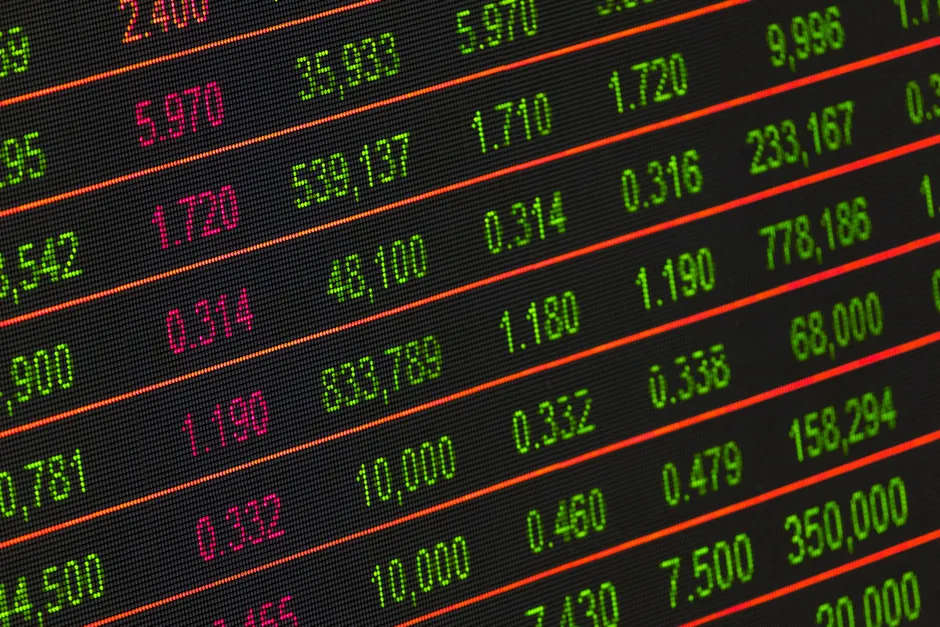
AI stocks rebounded on Wall Street on July 30, 2026, snapping a bruising drawdown that had wiped billions from semiconductor and mega-cap tech valuations over the preceding two weeks. Microsoft led the recovery with its best single-day stock performance since 2008, according to the Washington Post. The rebound arrives after a stretch in which the AI trade came under sustained pressure from profit-taking, waning institutional conviction, and a disappointing earnings print from Korean memory giant SK Hynix.
The selloff that preceded the bounce was not a single event but a compounding series of setbacks. On July 17, Reuters reported Asian shares sinking amid a global tech selloff, with analysts citing profit-taking on AI stocks and recurring doubts about the sector's valuation trajectory. Three days later, on July 20, Reuters reported that the AI stock rally was showing signs of fatigue and that big investors were turning sellers — a signal that the institutional bid underpinning the trade was eroding, not just retail sentiment softening at the margins.
The pressure intensified as earnings season delivered a negative catalyst from an unexpected direction. SK Hynix, the Korean memory-chip manufacturer whose HBM (high-bandwidth memory) products are a critical input for AI accelerators, reported financial results that failed to impress. Yahoo Finance attributed the subsequent semiconductor stock declines on July 30 to those disappointing SK Hynix results and what it described as an unwinding of the AI trade. Nvidia dropped more than 3%, and AMD fell roughly 5% on the session.
Yet by the close on July 30, the broader AI complex had reversed course. The Washington Post published its report on the rebound at 3:42 p.m. EDT, and CNBC filed its own coverage at 3:05 p.m. EDT, authored by Morgan Chittum, framing the AI stock rebound alongside a separate assessment that Johnson & Johnson's earnings guidance cut was not cause for broader concern. The juxtaposition is telling: the market's attention on July 30 was bifurcated between a sector-specific rotation in semis and a macro-level read on whether single-name earnings misses carry systemic risk.
Microsoft's standout performance deserves attention. A single-day move of this magnitude in a mega-cap name — one whose market capitalization exceeds the GDP of most nations — implies a convergence of factors: short covering after a prolonged selloff, repositioning ahead of further earnings, or a genuine revaluation of the AI infrastructure thesis now that earlier-cycle names like memory and accelerators have been repriced. The fact that Microsoft, a software and cloud-platform company rather than a pure silicon play, led the charge while Nvidia and AMD closed lower suggests the market is beginning to differentiate within the AI value chain rather than treating all AI-exposed equities as a monolithic trade.
That differentiation matters. The first phase of the AI rally lifted virtually all boats with any plausible AI narrative attached. The selloff that began mid-July hit the most leveraged names first — the semiconductor manufacturers whose revenue is most directly tied to AI capex cycles. SK Hynix's results served as a reality check on the memory side of that trade, and the spillover into Nvidia and AMD reflects the market's difficulty in separating cyclical air pockets from structural demand. Microsoft's rebound, by contrast, points to investor appetite for AI exposure through the consumption layer rather than the production layer.
The back-to-back Reuters reports from July 17 and July 20 — first noting profit-taking and sector doubts, then flagging institutional selling and rally fatigue — set the stage for a market that was already looking for a bottom. Whether July 30 marks the start of a durable recovery or a relief bounce within a longer correction is not knowable from a single session. What is clear is that the AI trade has entered a phase where stock selection and position-level conviction matter more than broad sector beta.
For investors and allocators tracking this, the practical takeaway is that the AI narrative is no longer monolithic. Semiconductors and software are decoupling. Memory results move different stocks than cloud results. And a single disappointing print from a Korean memory supplier can trigger a multi-day unwind that a single strong session from a mega-cap software name can partially offset — but not fully reverse.