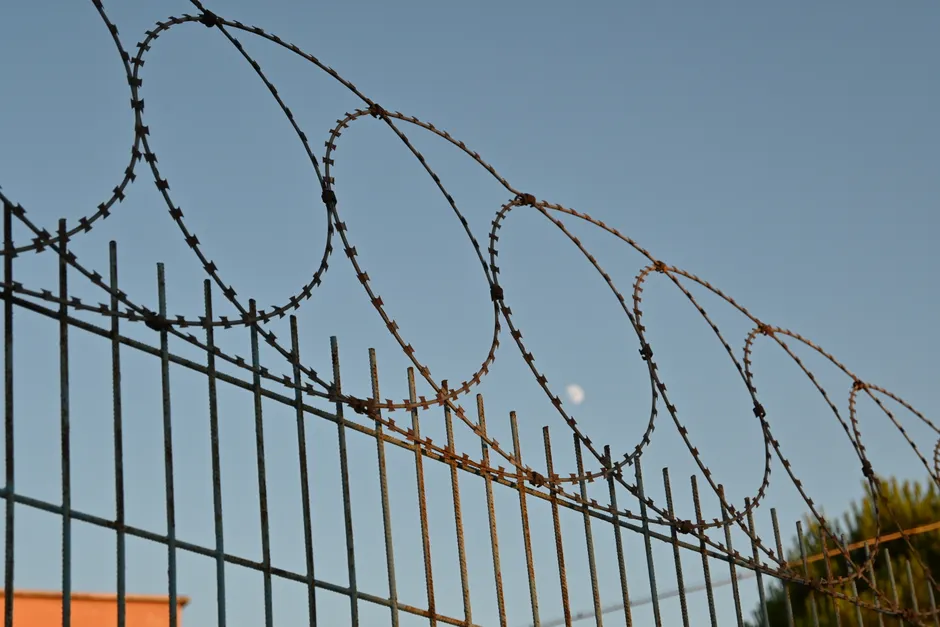
Spain Deploys Military to Ceuta as 49,000 Migrants Breach Moroccan Border in 24 Hours
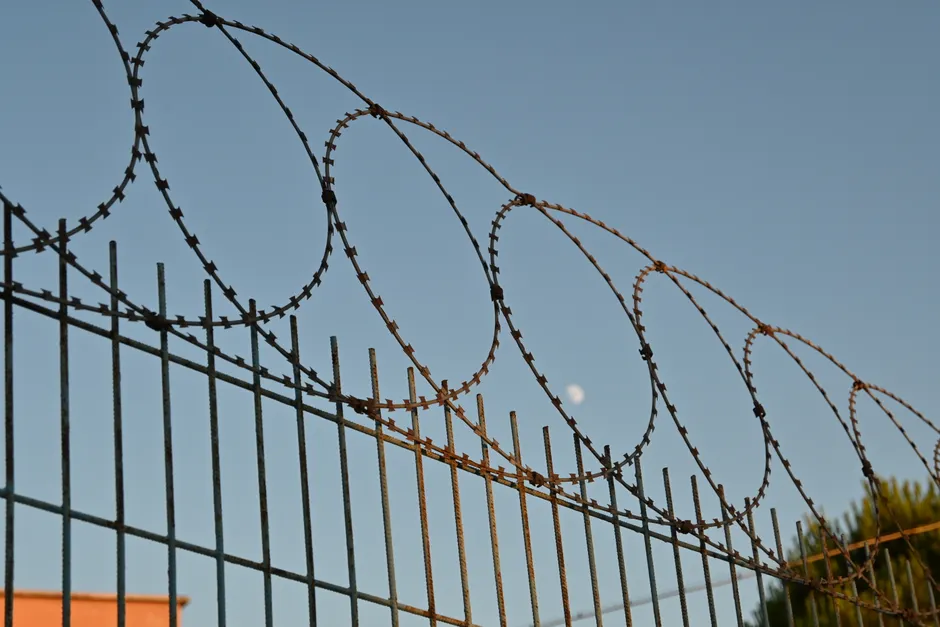
At least 18 people have died as an unprecedented wave of migrants breached the Spanish-Moroccan border in Ceuta, with Spain's interior ministry stating that more than 49,000 people are believed to have swum or walked into the enclave over the 24 hours preceding 31 July 2026. Spain deployed military forces to the North African enclave on 30 July after thousands overwhelmed border infrastructure, and the death toll has continued to climb across reporting cycles — Spanish authorities initially confirmed at least 9 deaths on 30 July before the figure rose to at least 18 by 31 July, according to The Guardian. A spokesperson for Spain's Guardia Civil said migrants were "massively entering from the sea" through the Tarajal breakwater but could not provide a numbers estimate.
The scale is difficult to overstate. Ceuta's population is around 85,000, meaning the 49,000 crossings represent more than half the enclave's population in a single day. The 2026 influx dwarfs the approximately 10,000 people who entered Ceuta during the border crisis in 2021, which itself was considered extraordinary at the time. That earlier mass crossing came amid heightened tensions between Madrid and Rabat over Spain's decision to allow a Western Sahara independence leader to receive Covid-19 treatment on Spanish soil — a diplomatic episode that saw Morocco effectively relax border controls as a form of coercive leverage.
Nearly 3,000 migrants had entered Ceuta cumulatively by 15 July 2026, according to Courant, indicating a dramatic acceleration in the second half of the month. Moroccan media, cited by EFE, reported on 29 July that at least 15 young people had disappeared after attempting to reach Ceuta from the beach — a harbinger of the mass crossing that followed.
The chief of government of Ceuta asked the central Spanish government for help during the crisis, and the autonomous city formally requested activation of a national emergency on 30 July. Spain's Interior Ministry rejected the request, warning that a national emergency cannot be activated for migration reasons. Hundreds of citizens protested in front of the Government Delegation in Ceuta's Plaza de los Reyes on 30 July. Spanish media reported "passivity" at the border as people continued crossing overnight into 31 July.
Spanish Prime Minister Pedro Sánchez traveled to Ceuta on 31 July, accompanied by Interior Minister Fernando Grande-Marlaska, and was expected to visit the Tarajal border and address media after midday local time, per EFE. The visit carries political weight at a moment when the opposition has seized on the crisis. People's Party leader Alberto Núñez Feijóo called on Sánchez to "defend our national security, our territorial integrity, and our coexistence." The far-right Vox party described the influx as "an invasion."
The crisis has rippled beyond Ceuta itself. The Beni Enzar border crossing — the only operational border between Spain and Morocco in Melilla, Ceuta's sister enclave on the North African coast — was closed as of 31 July, according to EFE.
The broader context here is one of structural vulnerability. Ceuta and Melilla are the European Union's only land borders with Africa, and their geographic position has made them recurrent flashpoints in the geopolitics of migration. The 2021 crisis established a template in which Morocco's border posture functions as an instrument of bilateral pressure on Madrid. Whether the 2026 crossing follows a similar logic or reflects a different combination of factors — from deteriorating conditions in origin countries to organized coordination on the Moroccan side — remains an open question that Sánchez's government will need to address with more than a border visit. The institutional fault lines are already visible: the Government Delegation and the Autonomous City government displayed an image of unity on 27 July, only for that front to fracture three days later when Ceuta's leadership accused Madrid of inaction and Spanish media reported passivity at the frontier.
Spain now faces simultaneous challenges: managing the immediate humanitarian and security crisis in an enclave whose infrastructure was never designed for an influx of this magnitude, navigating a bilateral relationship with Morocco that has proven susceptible to instrumentalization, and containing domestic political fallout that the opposition and far-right are already amplifying. The rejection of the national emergency request signals Madrid's position that the crisis, however severe, falls within existing operational frameworks rather than requiring extraordinary legal measures. Whether those frameworks prove adequate to an event of this scale is the question that Sánchez's visit to Tarajal will be measured against.