Valve Launches Steam Deck OLED Limited Edition White, Expands Handheld Gaming Portfolio
Valve Launches Steam Deck OLED Limited Edition White, Expands Handheld Gaming Portfolio
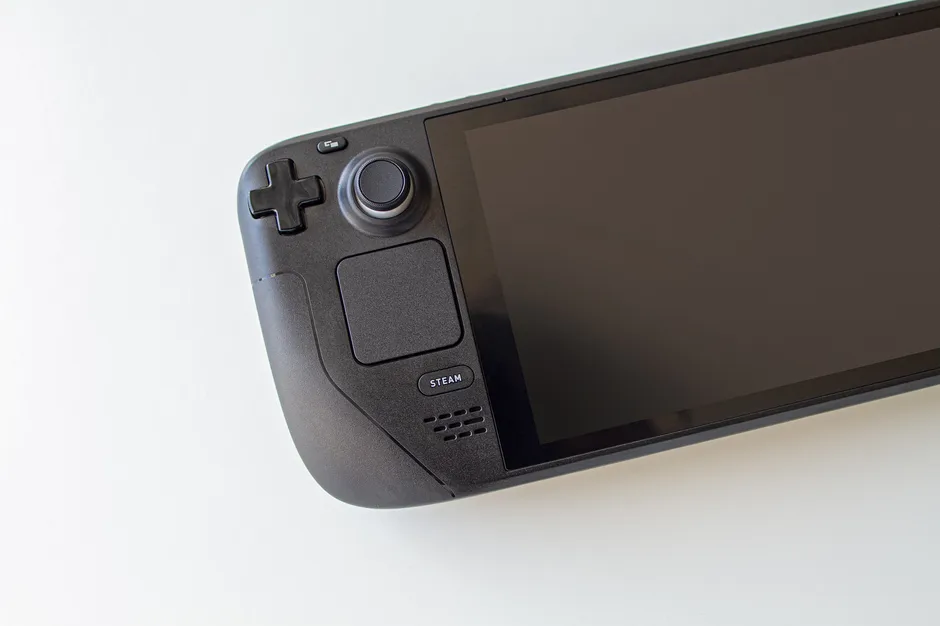
Valve announced a limited edition white variant of its Steam Deck OLED handheld gaming PC, scheduled for worldwide availability on November 18, 2024 at 3PM PST, priced at $679 USD. The announcement comes as part of the company's ongoing expansion of its portable gaming hardware line, which now includes standard OLED models available in 512GB and 1TB storage configurations at $549 and $649 respectively.
Hardware Specifications and Positioning
The Limited Edition White model maintains the core specifications of the standard Steam Deck OLED while introducing a distinctive colorway that differentiates it from the standard black housing. At $679, the white variant sits $30 above the 1TB standard model, positioning it as a premium collector's edition rather than a performance upgrade.
The OLED display technology represents Valve's most significant hardware iteration since the original Steam Deck launch. The OLED panel delivers improved contrast ratios, deeper blacks, and enhanced color reproduction compared to the original LCD screen, addressing one of the most frequent criticisms of the first-generation hardware. Battery life improvements accompany the display upgrade, with the more efficient OLED technology extending gameplay sessions.
The storage tiering across the OLED lineup reflects Valve's approach to market segmentation. The 512GB model targets users comfortable with managing storage through microSD expansion or cloud saves, while the 1TB configuration accommodates users who prefer keeping multiple AAA titles locally installed. The Limited Edition White model includes the 1TB storage tier, suggesting Valve expects premium buyers to value both the distinctive design and expanded storage capacity.
Market Context and Competitive Landscape
Valve's continued hardware iteration occurs within an increasingly competitive handheld gaming market. The Steam Deck faces direct competition from ASUS ROG Ally, Lenovo Legion Go, and MSI Claw, each offering distinct approaches to portable PC gaming. The OLED upgrade and limited edition variant represent Valve's strategy to maintain differentiation through display quality and brand appeal rather than raw performance increases.
The timing of the white variant launch aligns with the holiday shopping season, suggesting Valve recognizes the gift market potential for distinctive gaming hardware. Limited edition electronics typically serve dual purposes: generating immediate sales momentum through scarcity appeal and maintaining brand visibility in a crowded market.
This pattern feels familiar from earlier hardware cycles. We saw similar dynamics during the Nintendo DS era, when color variants and limited editions sustained interest between major hardware revisions. The difference here is that Valve operates in the PC ecosystem, where hardware iterations typically focus on performance rather than aesthetics. The Limited Edition White model suggests handheld gaming devices follow consumer electronics playbooks more closely than traditional PC hardware.
Technical Implications and Ecosystem Integration
The OLED transition carries implications beyond display quality. OLED panels typically consume less power than equivalent LCD displays, particularly when displaying darker content—a characteristic that benefits gaming scenarios with varied lighting conditions. This efficiency gain compounds with SteamOS optimizations to extend battery life, addressing the original Steam Deck's most significant limitation.
Valve's storage strategy across the OLED lineup reflects broader industry trends toward higher-capacity NVMe SSDs as baseline configurations. The 512GB entry point acknowledges that modern game installations, particularly for AAA titles, increasingly exceed 50-100GB. The 1TB configuration provides headroom for users who maintain libraries of large games without constant storage management.
The white colorway introduces potential long-term maintenance considerations. Light-colored gaming hardware historically shows wear patterns more visibly than darker alternatives, particularly on high-contact surfaces like analog sticks and D-pads. Professional users who rely on Steam Deck for development or extended gaming sessions may prefer the standard black model for durability reasons.
Distribution Strategy and Availability
Valve's worldwide launch approach for the Limited Edition White model contrasts with the original Steam Deck's phased regional rollout. The simultaneous global availability suggests improved manufacturing capacity and supply chain management since the initial launch difficulties. The 3PM PST timing targets peak engagement hours for North American customers while remaining accessible for European buyers.
The limited edition designation implies constrained production volumes, though Valve has not specified exact quantities or sales duration. This scarcity approach generates urgency while testing market demand for premium Steam Deck variants. Success metrics will likely influence future limited edition releases and potential permanent colorway additions.
Analysis and Industry Impact
The Limited Edition White launch represents Valve's maturation as a hardware manufacturer. Rather than focusing solely on technical specifications, the company now leverages design differentiation and brand appeal—strategies common among established console manufacturers but relatively new for PC gaming hardware.
Looking at what this means for the broader handheld gaming market, Valve's approach validates the segment's evolution toward consumer electronics patterns. The emphasis on display quality, design variants, and premium positioning suggests handheld gaming PCs are transitioning from enthusiast niches toward mainstream consumer categories.
The OLED upgrade cycle also demonstrates Valve's commitment to iterative hardware improvement rather than generational leaps. This approach mirrors smartphone industry practices, where display technology, efficiency improvements, and design refinements drive upgrade cycles between major architectural changes.
For developers, the expanding Steam Deck ecosystem provides a more stable target platform. The consistent hardware architecture across OLED variants simplifies optimization while the growing install base justifies Steam Deck-specific development considerations. The premium positioning of limited edition models may also attract higher-spending users, potentially improving software sales metrics per device.
The Limited Edition White Steam Deck OLED represents Valve's continued investment in portable gaming hardware as a strategic platform rather than an experimental side project. The combination of display improvements, design differentiation, and premium positioning signals confidence in the handheld gaming market's long-term viability and Valve's role within it.


