Burnham Pledges 'Relentless' Action on Channel Crossings After Ceuta Crisis
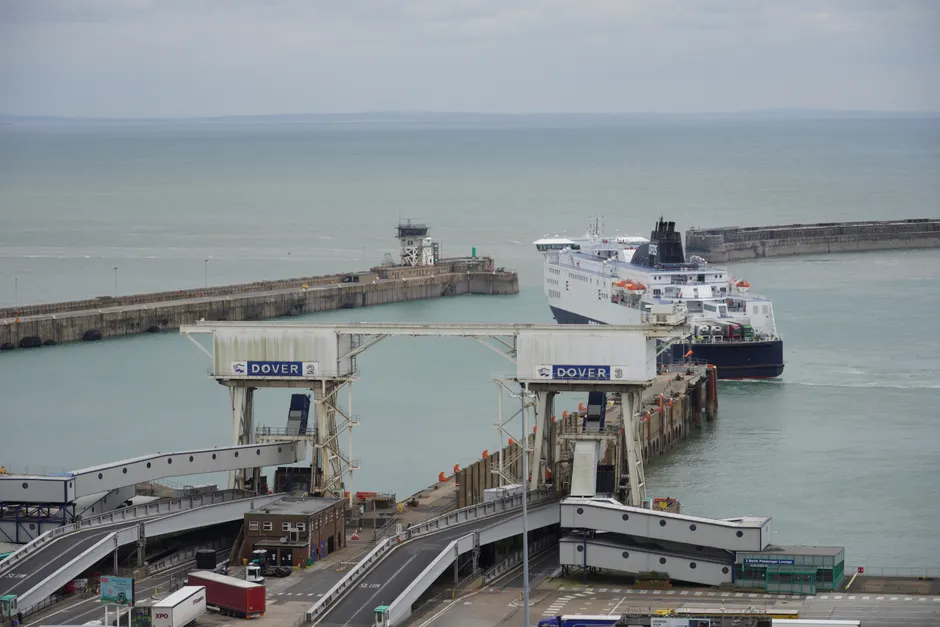
Prime Minister Andy Burnham pledged to be "relentless" in tackling small boat crossings across the English Channel during a visit to Dover on August 2, 2026, framed by the Ceuta migrant crisis that overwhelmed Spain's North African enclave less than a week earlier.
Burnham, who succeeded Keir Starmer on July 20, also said that "safe routes" for refugees were necessary to dismantle trafficking networks, positioning his approach as one that combines enforcement with structured asylum pathways. His remarks came as official provisional figures showed 14,526 people had entered the UK via small boats so far in 2026, a 43% reduction from the 25,436 recorded by the same point in 2025 and down 14% on the 16,903 figure for the corresponding period in 2024. More than 2,000 people have crossed the Channel since Burnham took office, with 326 arriving on Saturday in four boats, bringing the total to 2,057 under his premiership. Last Wednesday marked the busiest single day for crossings in 2026, with 752 people reaching the UK.
Home Secretary Shabana Mahmood said the government's work on small boat crossings was beginning to "bear fruit," pointing to the year-on-year decline in arrivals. The number of National Crime Agency officers tackling organised immigration crime has more than doubled since the start of 2025, rising from 376 to almost 800.
Mahmood, however, rejected calls to replicate Spain's response to the Ceuta influx, in which tens of thousands of people were returned to Morocco without asylum processing. She noted that Morocco and Spain share a land border and operate under a bilateral agreement, circumstances that do not apply to the UK. She also faces opposition within the Labour Party over proposed immigration measures, including a plan to double the qualification period for indefinite leave to remain from five years to ten.
The Ceuta crisis that burnished the political backdrop to Burnham's Dover visit began last Thursday, when an estimated 50,000 people crossed into the Spanish enclave over a 24-hour period, overwhelming a city of 85,000 and triggering a political crisis in Madrid. Spanish Prime Minister Pedro Sánchez called the influx "a violation of Spain's territorial integrity." Spanish Interior Ministry figures cited by Reuters indicated that around 48,300 of the roughly 50,000 who entered had been returned to Morocco by Friday, and Sánchez later told Burnham that approximately 98% had been returned. At least 72 people died attempting the crossing, some drowning and others crushed while climbing the border fence. Earlier reporting from Reuters and NBC News had placed the death toll at at least 57 and noted that around half of the entrants had been returned by Friday, figures subsequently updated by the more recent data.
Burnham described the Ceuta crossings as "concerning" in remarks reported by Reuters on July 31.
The juxtaposition of the Ceuta crisis and the UK's own crossings figures places Burnham's early premiership at a pressure point where migration policy, bilateral diplomacy, and internal party politics converge. The 43% year-on-year decline in small boat arrivals gives the government a statistical foundation to claim progress, yet the 2,057 arrivals since July 20, including the single-day peak of 752, illustrate the volatility that monthly aggregates can obscure. Mahmood's resistance to emulating Spain's rapid returns underscores the legal and geographic constraints that distinguish the UK's position, but her proposed tightening of settlement rules signals that the government's immigration agenda extends well beyond Channel crossings.
For an expert audience tracking European migration policy, the Ceuta episode is a case study in how quickly a border can be breached when circumstantial conditions align. The return of 98% of entrants to Morocco without individual asylum assessment raises questions about collective expulsion norms under international refugee law, though Spain's bilateral arrangement with Morocco provides the formal framework. Whether similar rapid-return models gain traction elsewhere in Europe, or whether the Ceuta precedent hardens into a template, will depend on political will and legal endurance in equal measure.


