Garma 2026: Arnhem Land clans move to break from Northern Land Council as Finocchiaro hands back Nhulunbuy lease

The 26th Garma festival, held over four days at the Gulkula ceremonial site about 40 km from Nhulunbuy on the Gove Peninsula, has produced two developments with the potential to reshape the governance of Aboriginal land in the Northern Territory. The greeting and theme for this year's gathering was "Bukmak," a Yolngu word encompassing all people, and the timing carried its own weight: the festival coincided with the 50th anniversary of the Northern Territory Land Rights Act The Guardian.
Garma is the largest Indigenous gathering in Australia, conceived in 1999 in north-east Arnhem Land by Yolngu leaders. Rirratjingu clan leader Witiyana Marika was among those at the first meeting. The festival was founded by the late Gumatj clan leaders Galarrwuy Yunupingu, the land rights activist, and Mandawuy Yunupingu, frontman of Yothu Yindi. Its name comes from the traditional Yolngu concept meaning a "two-way learning" place The Guardian.
The headline announcement came from Djawa Yunupingu, who chairs the Yothu Yindi Foundation and leads the Gumatj Corporation. He told the festival that the 13 clans of north-east Arnhem Land want to split from the Northern Land Council and establish a new body called the Dilak Land Council. If approved, it would be the first new land council in the Territory in 35 years The Guardian.
The mechanics here matter. The Northern Land Council is one of four statutory land councils established under the Land Rights Act, with significant administrative authority over Aboriginal land in the Top End. Carving out a new council requires Commonwealth legislative approval, given the NLC's statutory basis. The proposal would see the Dilak Land Council take over responsibilities for the Gove Peninsula and surrounding region, though the exact boundary and functional scope of the new body have not been detailed publicly. A 13-clan coalition representing a concentrated geographic bloc is a different proposition from a single community agitating for autonomy, and the political calculus in Canberra will reflect that.
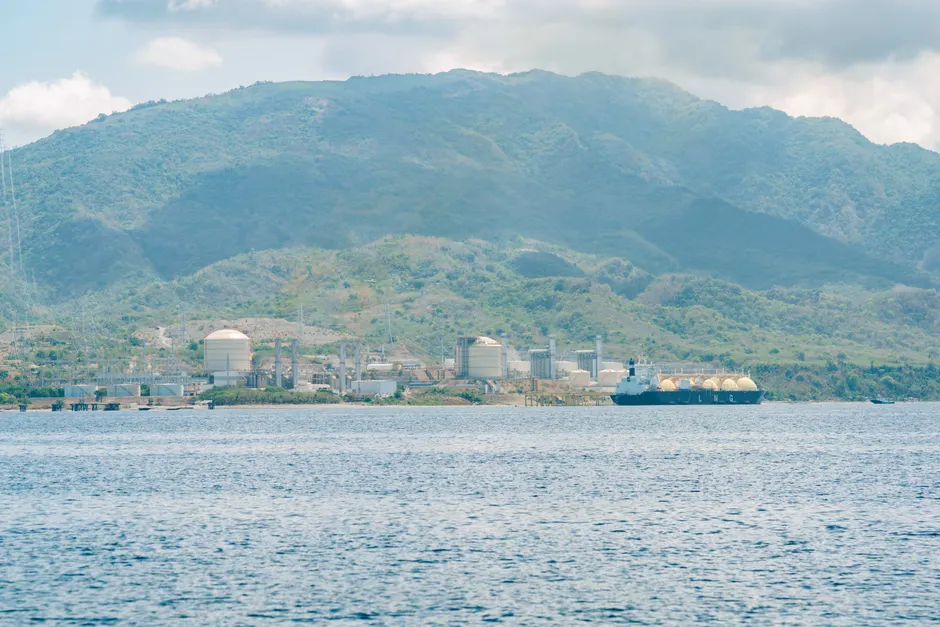
Northern Territory Chief Minister Lia Finocchiaro used her keynote speech to announce a deal for the Rirratjingu clan to take ownership of the town lease of Nhulunbuy. Nhulunbuy is the service town for the Rio Tinto-owned bauxite mine on the Gove Peninsula, and that mine is set to close in 2029 The Guardian.
The mine's closure is the unspoken backdrop to both announcements. Nhulunbuy's economic identity has been tied to bauxite extraction since the 1970s. Handing the town lease to the Rirratjingu clan before the mine shuts gives Traditional Owners a governing stake in the post-mining transition, though what that transition looks like economically is not yet articulated in policy. The timing of the Dilak proposal and the lease handback is not coincidental. Both moves put Traditional Owners in a structural decision-making position over land and infrastructure at exactly the point where the existing economic engine is winding down.
Finocchiaro and Gumatj and Rirratjingu leaders have also written a joint letter to Prime Minister Anthony Albanese suggesting that fuel tankers on the Gove Peninsula be incorporated into the nation's fuel reserve plan The Guardian. That letter pairs a local infrastructure ask with a national security frame, which is a deliberate approach. Fuel security in northern Australia has been a recurring policy concern for successive federal governments, and anchoring the Gove Peninsula's fuel infrastructure to the national reserve plan would give the region an ongoing strategic rationale beyond the mine's life.
The Albanese government's response to both the Dilak proposal and the fuel reserve letter will be the test. Land council restructuring is a Commonwealth responsibility under the Land Rights Act, and any new council requires parliamentary process. The fuel reserve ask falls within federal energy and defence policy. Neither is a quick win. Both will require legislative or regulatory work, and the government's appetite for that work in an election period is an open question.
The Dilak proposal also puts the Northern Land Council in a delicate position. The NLC has been the statutory representative body for the region for five decades. Losing 13 clans to a new entity would reduce the NLC's jurisdiction and potentially its funding base, which is tied to the scope of land it administers. How the NLC responds, whether through negotiation, resistance, or accommodation, will shape the trajectory of the split. The last time a new land council was created in the Territory was three and a half decades ago, and the precedent is thin.
Garma has always functioned as a platform for announcements that would struggle to get oxygen in the parliamentary cycle. The festival's remote location, its cultural authority, and the concentration of political and corporate attendees create a space where Indigenous leaders set the agenda rather than respond to one. The Dilak proposal and the Nhulunbuy lease handback both fit that pattern. They are not reactive. They are structural bids for self-determined governance at a moment of economic transition.