TotalEnergies Closes KKR Sale of 50% Stake in 1.4 GW North American Solar Portfolio
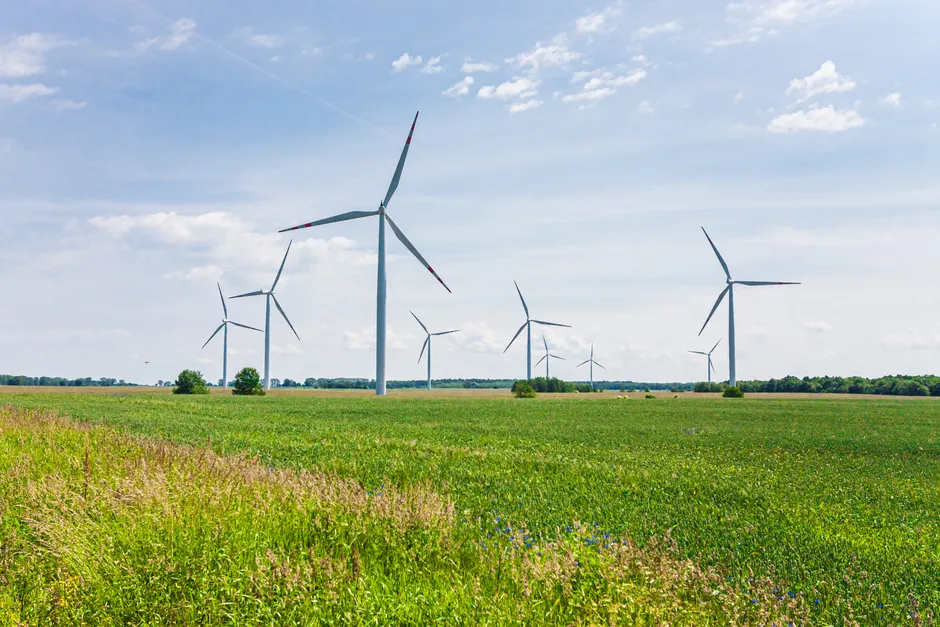
TotalEnergies has completed the sale of a 50% stake in a 1.4 GW solar portfolio in North America to KKR, according to the company's fourth-quarter 2025 results disclosure published February 11, 2026 (TotalEnergies). The transaction, first announced in September 2025 (TotalEnergies), transfers half-ownership of a substantial utility-scale solar asset base to the private equity firm's infrastructure platform.
The closing confirmation arrives alongside a separate but related agreement. TotalEnergies has agreed to sell a stake in an onshore solar and wind asset portfolio to an insurance account managed by KKR (Investing.com, published August 3, 2026). The distinction matters: the completed 1.4 GW deal covered solar assets in North America, while the newly disclosed agreement extends the divestiture strategy to a broader onshore renewables mix and channels the buyer-side capital through an insurance account structure rather than a KKR fund vehicle directly.
The 1.4 GW portfolio represents a material slice of TotalEnergies' broader U.S. footprint. The company operates in more than 30 U.S. states and is developing an integrated domestic portfolio that combines 25 GW of low-carbon power generation assets and storage projects (TotalEnergies). Selling 50% of a 1.4 GW solar tranche recycles capital while retaining operational control over the assets, a structure consistent with the "farm-down" model that European integrated energy majors have deployed across their renewable platforms. The seller keeps development and operating upside; the buyer gains contracted cash-flow exposure without taking on greenfield execution risk.
The repetition of KKR as counterparty across both transactions is worth examining. A single institutional buyer absorbing successive stakes in distinct asset tranches suggests a pre-existing strategic relationship rather than a one-off portfolio optimization. KKR's use of an insurance account for the second transaction points to the growing role of insurance balance sheets as the marginal capital provider in renewable infrastructure, particularly for assets with long-dated contracted revenue profiles that match long-duration liabilities.
For market participants, the more salient data point is TotalEnergies' aggregate U.S. pipeline. The 25 GW target spans generation and storage, and at a 1.4 GW divestiture the company is monetizing roughly 5.6% of that stated development ambition. The farm-down proceeds are not disclosed in the verified sources, which limits any assessment of the implied valuation per megawatt or the discount relative to replacement cost. What is verifiable is the cadence: announce in September 2025, close by the Q4 2025 reporting cutoff, and move directly into a second stake sale. That execution tempo implies the company views the capital-recycling mechanism as core to funding its U.S. build-out rather than an opportunistic one-off.
The insurance-account structure on the second deal also has implications for how renewable asset risk gets distributed. Insurance accounts typically seek stable, long-duration cash flows and have lower return hurdles than traditional private equity funds. Routing the onshore solar and wind stake through that channel rather than a KKR infrastructure fund may reflect asset-level characteristics, such as contracted revenue and limited merchant exposure, that suit an insurance balance sheet's risk appetite. It may equally reflect KKR's own fund-raising and capital-allocation strategy. The verified facts do not specify which assets are included in the second portfolio, their capacity, or their revenue structure, so any read on valuation or risk transfer remains incomplete.
What is firmly established is the trajectory. TotalEnergies is systematically reducing direct ownership exposure to operational renewable assets in North America while retaining a 50% economic interest and continuing to build out the larger 25 GW integrated pipeline. KKR is accumulating that exposure across multiple tranches and capital structures. The strategy is capital-efficient for the seller and provides the buyer with scale access to a contracted asset base that would be costly to assemble organically.


