Shererina Clashes Breach Ethiopia-Tigray Peace Deal, Sending Refugees Into Sudan
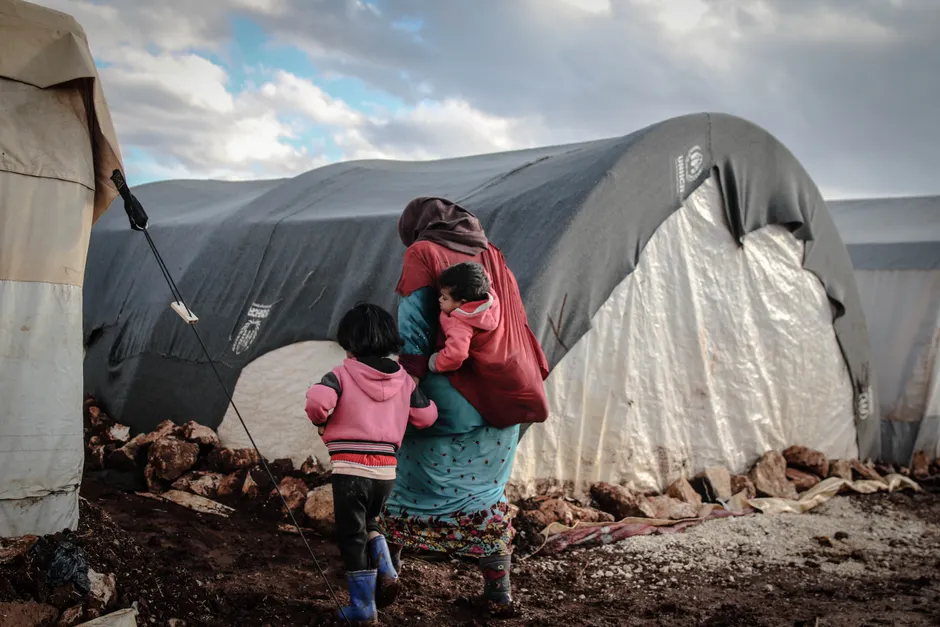
Hundreds of Tigrayans, including wounded fighters, have fled into Sudan after heavy fighting between the Ethiopian federal army and TPLF rebels erupted in Shererina, a village in western Tigray near the Sudanese border. The clashes, which involved heavy artillery and drones, began early Saturday and subsided by 5pm (14:00 GMT) on Sunday, according to Al Jazeera. The fighting breaches the three-year-old peace agreement between Ethiopia and the TPLF, raising the specter of renewed civil war in a conflict that an African Union estimate suggests killed at least 600,000 people during its earlier phase.
The Tigray rebels accused the Ethiopian army of initiating the assault, describing it as a "large-scale infantry offensive" and stating that the army "intensified its destructive actions," as Al Jazeera reported. Tigray authorities similarly accused the federal government of launching a new military offensive in western Tigray, per Addis Standard. A TPLF member said on Sunday that there was "a de-escalation" in the fighting. Ethiopia Observer had reported on August 1 that fierce fighting had erupted near the Sudanese border, with the Ethiopian army and the TPLF exchanging heavy fire. Addis Standard, citing AFP, confirmed on August 3 that hundreds fled into Sudan and that the clashes ended after a day-long battle.
Federal troops and Tigrayan forces had been massed for several months along the border of northern Tigray, with both sides accusing each other of seeking to trigger a new conflict. The buildup had created a militarized frontier with no credible de-escalation mechanism in place, and the Shererina clashes represent the first major rupture of the Pretoria-era ceasefire.
On the Sudanese side of the border, residents reported hearing explosions and sustained gunfire throughout the fighting. Al Jazeera correspondent Osama Sayed Ahmad, reporting from Ad-Damazin, Sudan, said drone or artillery fire caused explosions in several large refugee camps on the Sudan-Ethiopia border, though casualty numbers were not available. UNHCR expressed concern about the tensions at the border.
The humanitarian implications extend in both directions. UNHCR's existing response to Ethiopian refugee returnees in Tigray includes the provision of shelter, clothes, and cash assistance, according to a ReliefWeb report. Sudanese authorities previously closed the eastern El Galabat border crossing with Ethiopia following battles between members of the Ethiopian forces, as ReliefWeb noted in September 2024. The UNFPA Ethiopia situation report for January through March 2026, published in April, cited renewed insecurity in parts of Amhara and Tigray and a growing influx of refugees into Gambella, suggesting that the current escalation builds on instability already documented earlier this year.
The broader context here is the fragility of the November 2022 Pretoria agreement, which halted a two-year war but left core disputes unresolved, particularly over the status of western Tigray. The earlier conflict displaced more than 2 million people and drove over 56,000 refugees into Sudan within its first weeks, according to Reuters. The mass displacement into Sudan now, while on a smaller scale, follows the same geographic corridor and places additional pressure on a Sudanese state already contending with its own internal conflict and a strained humanitarian apparatus.
The fact that heavy artillery and drones were deployed in Shererina, rather than the skirmish-level exchanges typical of militarized standoffs, suggests both sides had positioned offensive capabilities along the frontier well before hostilities began. Whether the "de-escalation" reported by the TPLF member holds, or whether Shererina proves to be the first engagement in a broader campaign, will depend on the disposition of forces still massed along the border and on whether international actors, the African Union, or bilateral mediators can reestablish a monitoring framework that the Pretoria agreement conspicuously lacked.
For regional actors, the stakes are immediate. A renewed Ethiopia-Tigray conflict would destabilize the Horn of Africa at a moment when Sudan's own civil war has already disrupted cross-border trade and humanitarian corridors. The refugee camps hit by explosive ordnance on the Sudanese side of the border are not abstract waypoints; they are populated by people who fled the previous round of fighting and now find themselves in the blast radius of its resumption.