Google Health Adds Two-Way Apple Health Syncing in Version 5.05 Update
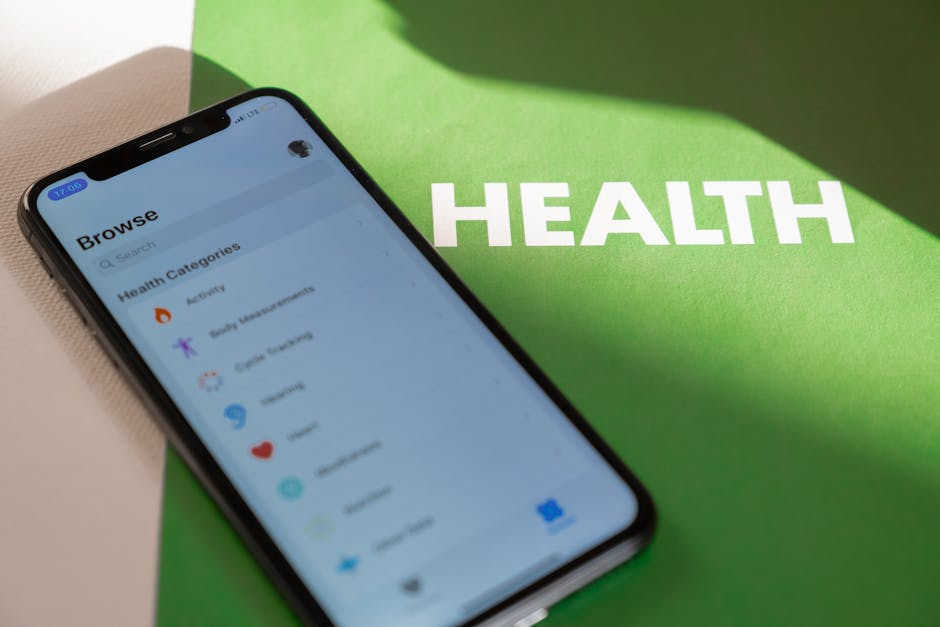
Google is rolling out Google Health version 5.05, which introduces two-way syncing between Google Health and Apple Health on iPhone. The update lets Fitbit-derived data flow into Apple's HealthKit framework without third-party intermediaries, and marks the first time Google Health supports bidirectional exchange with Apple's health data layer since replacing the standalone Fitbit app in May.
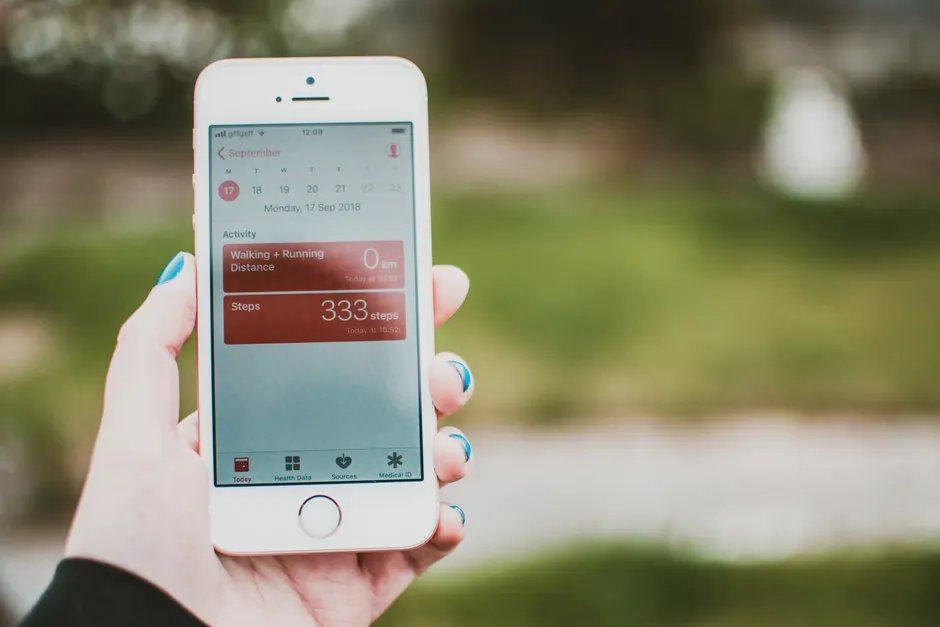
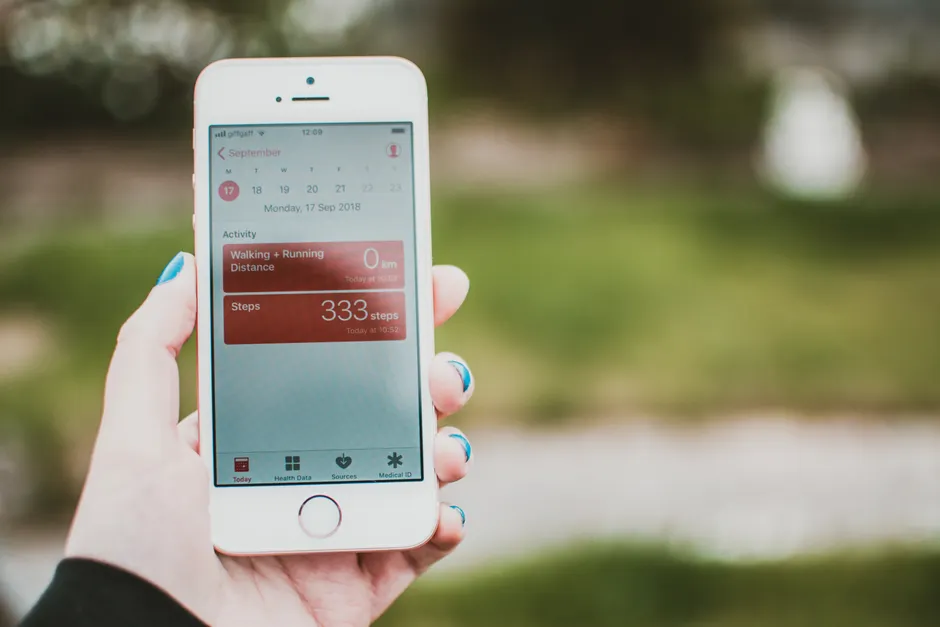
The syncing covers exercise records, sleep data, vitals, and steps, according to 9to5Mac. Google Health users can also push Apple Health data back into Google's platform, completing a two-way pipeline that previously required workarounds.
To enable the connection, users tap their profile icon in the Google Health app, select "Partner apps," and choose Apple Health, as The Verge reports. Google's own support documentation describes a consent page titled "Sync Google Health with Apple Health" that appears after a user navigates to "Add connections," taps Apple Health, and taps "Get started." The support page also describes a parallel flow for Health Connect integration, accessed through a "Connections" menu with a "Sync your favorite health apps" option.
Prior to this update, Google Health supported only one-way import of Apple Health data. Users who wanted Fitbit workout, step, or vital-sign data in Apple Health had to rely on third-party applications such as Power Sync for Fitbit or Fitbit to Apple Health Sync to bridge the gap. Those apps typically functioned by reading from one platform's API and writing to the other, introducing latency, potential data fidelity issues, and in some cases subscription costs.
Google Health replaced the Fitbit app in May, consolidating Fitbit wearable data under a Google-branded health platform. That rollout drew user concerns over the app's AI health coach, user interface, and other issues, which Google has since partly addressed, according to The Verge.
Alongside the two-way Apple Health sync, Google announced that US users can now use Smart Health Links to share medical records with a healthcare provider or family member via a URL or QR code. The feature sits within the same Google Health update and extends the app's scope beyond wearable data aggregation into structured medical-record sharing.
The broader context here is one of platform interoperability in health data, an area where both Google and Apple have historical reason to move carefully. Apple's HealthKit has been the dominant on-device health data repository on iOS since 2014, while Google's equivalent role has shifted across Android versions, from Google Fit to Health Connect to the now cross-platform Google Health app. Two-way sync between these ecosystems has been a persistent user request, particularly from Fitbit owners who also use iPhones, a combination that Google's $2.1 billion Fitbit acquisition made more common but did not resolve at the software level.
Worth flagging is the regulatory dimension. Both companies have navigated FDA clearance for clinical-grade features in their wearables; Google followed Apple in securing FDA approval for atrial fibrillation detection in Fitbit devices. As health platforms accumulate more clinically relevant data and add sharing capabilities like Smart Health Links, the line between consumer wellness aggregation and regulated health information exchange continues to blur. The fact that Google is now facilitating direct record sharing via QR code pushes further into territory that traditionally involved HIPAA-covered entities.
The elimination of third-party sync apps is the most immediately tangible change for users. Apps like Power Sync for Fitbit filled a real gap, but they operated outside both companies' official data pipelines, meaning any breakage in the underlying APIs could silently disrupt data flow without either platform acknowledging responsibility. A first-party two-way sync removes that fragility, though it also concentrates control over the data path in Google's and Apple's hands.
For developers who built third-party health-data bridges, the update narrows the addressable problem space. Google Health's expanding role as a cross-platform health data hub, rather than a Fitbit-specific companion app, suggests the company is positioning it as a general-purpose health data layer, not a wearable accessory tool.
The update is rolling out now via the App Store. Users who do not see the Apple Health option under "Partner apps" may still be within the phased rollout window.