Chipotle Pulls Jalapeños From Restaurants Amid Minnesota Salmonella Investigation

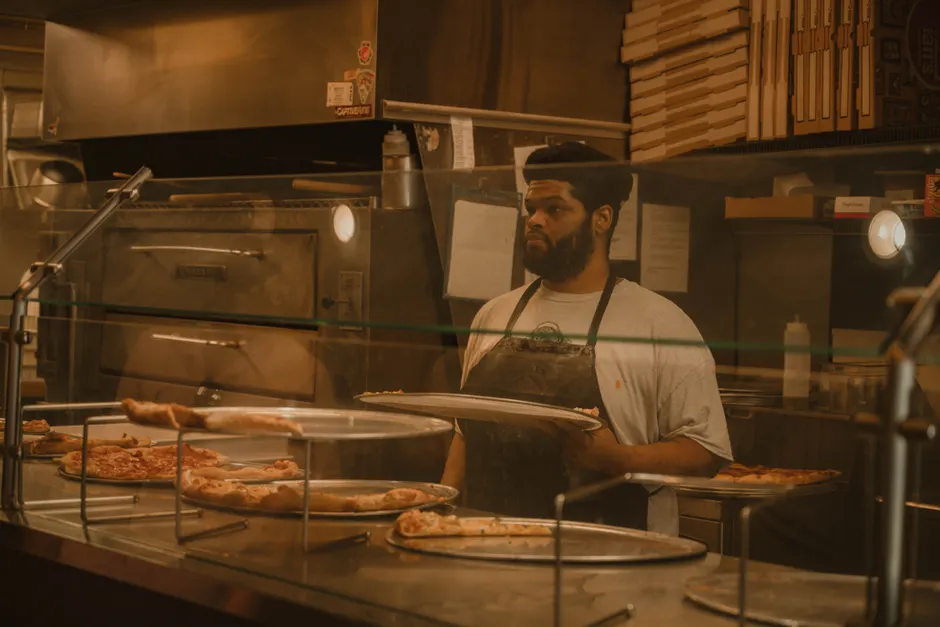
Chipotle Mexican Grill has proactively removed jalapeños from its restaurants and replaced them with product from different growers, the company confirmed in a statement dated August 4, 2026 (Chipotle Newsroom). The action comes as the Minnesota Department of Health investigates a Salmonella outbreak tied to several Mexican-style quick-service restaurants in the state (AP News).
Reuters reported that Chipotle pulled jalapeños linked to Minnesota salmonella cases, connecting the chain's removal to the state-level probe (Reuters). Chipotle characterized the removal as precautionary, taken "out of an abundance of caution" (Chipotle Newsroom).
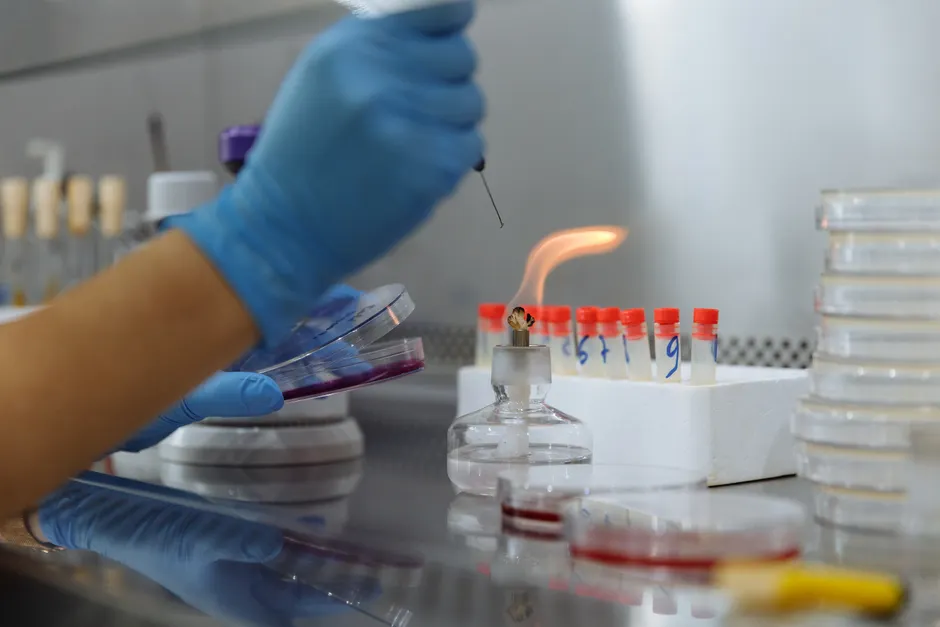
Separately, the FDA is investigating a Salmonella Javiana outbreak, designated reference #1395, linked to a not-yet-identified product. The case count in that investigation has increased from 106 to 212 (FDA). The FDA page does not explicitly name jalapeños as the vehicle in outbreak #1395, and no verified source confirms a direct link between that specific FDA investigation and Chipotle's product removal.
Chipotle's own food safety protocols, as described on the company's website, include blanching jalapeños according to well-defined procedures before dicing (Chipotle Food Safety). Blanching is a thermal processing step designed to reduce microbial load on produce surfaces. The company did not specify in its August 4 statement whether the blanching protocol failed to prevent contamination or whether the removal was purely precautionary pending identification of the contamination source.
The Minnesota Department of Health confirmed its investigation spans multiple Mexican-style quick-service restaurants, not a single chain (AP News). That scope is consistent with a contaminated ingredient entering the supply chain at a common node, such as a shared grower or distributor, rather than a restaurant-level handling failure isolated to one operator. Chipotle's decision to source replacement product from different growers aligns with that supply-chain-level hypothesis.
For investors, the immediate financial exposure is operational rather than reputational, at least at this stage. Removing a single SKU across the system is a manageable disruption. The more material risk is that the FDA identifies a specific produce item as the outbreak vehicle and that the contamination traces back to a grower in Chipotle's replacement supply chain, extending the timeline. Absent a confirmed vehicle, the financial impact remains bounded.
Chipotle has precedent with foodborne illness outbreaks that escalated well beyond a single ingredient swap. The February 2024 FDA investigation into a Listeria monocytogenes outbreak linked to queso fresco and cotija cheese involved recalled Southwest Chipotle salad kits (FDA). That incident illustrated how a third-party supplier's contamination can pull Chipotle-branded products into a recall through co-packaged ingredients, even when the root cause originated upstream.
The broader context here is the supply-chain vulnerability inherent in fast-casual produce sourcing. Jalapeños, like tomatoes, cilantro, and avocados, are raw agricultural commodities that enter restaurant kitchens without a kill step beyond whatever processing the operator applies. Chipotle's blanching protocol is one such intervention, but thermal surface treatments have known limitations: they reduce surface microbial load but may not reach organisms internalized through stem scars or wounds. If the Salmonella Javiana outbreak #1395 is ultimately traced to jalapeños, the industry will face renewed scrutiny of whether blanching and similar surface treatments are adequate for produce that may carry internalized pathogens.
The case count doubling from 106 to 212 in outbreak #1395 signals an active, growing investigation rather than a contained event. Until the FDA identifies the vehicle, restaurant chains and produce suppliers are operating without a confirmed contamination point, which complicates targeted recalls and heightens the value of precautionary sourcing changes like the one Chipotle has taken.