Nikkei 225 Slips From Record Territory as Tech Shares Lead Retreat

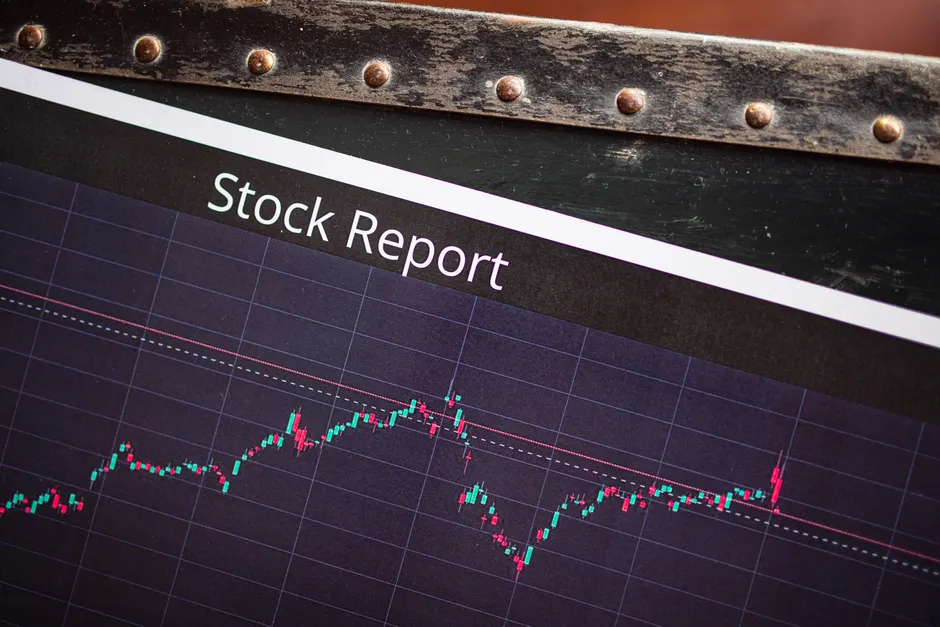
Tokyo's Nikkei 225 fell 0.9% to 60,843.09 on May 18, 2026, with technology-related stocks leading the decline, according to Asahi Shimbun. The pullback came after the index had reached all-time intraday highs the previous week, marking a pause in a rally that has added roughly 4,500 points to the Nikkei since its February record close.
The index's trajectory over the preceding months provides context for the magnitude of this move. On February 9, 2026, the Nikkei 225 rose 3.9% to a record-high close at 56,363.94, per Reuters. That record was itself an extension of an earlier breakout: in October 2025, the WSJ reported the index hitting record levels after Japan's ruling party secured a coalition deal (WSJ, Oct. 20, 2025). The climb from 56,363.94 in February to fresh all-time intraday highs by mid-May reflects sustained buying, even as volatility episodically interrupted the trend.
Indeed, the path upward has not been linear. In early April 2026, the Nikkei surged 4.8% in a single session, and South Korea's Kospi gained 5.6%, after President Trump held off Iran threats for two weeks, according to an Associated Press report carried by KCTV5. S&P 500 futures advanced 2.3% in the same window. That rally followed an earlier risk-off episode in which the Nikkei declined 2.3% and Australia's S&P/ASX 200 fell 0.97% as tech shares dragged U.S. equities lower following a separate Trump announcement; Oracle shares dropped more than 11% in extended trading in that episode (Reuters).
The May 18 retreat to 60,843.09 fits this pattern of geopolitical headlines and U.S. tech sentiment propagating into Tokyo trading. The Nikkei's technology weighting makes it particularly sensitive to shifts in the U.S. semiconductor and software complex, and the Asahi report specifically identified tech-related names as leading the decline.
The derivatives market offers a forward-looking read on positioning. According to the JPX futures quotes portal, the Nikkei 225 mini futures August 2026 contract settled at 63,795 and the micro futures August 2026 contract settled at 63,745, both as of August 4. Those settlement levels imply a discount of roughly 3,000 points below the May 18 cash close, though the gap may reflect the time difference between the May data point and the August settlement date rather than a directional bet. Japan Exchange Group lists Nikkei 225 mini, micro, and options products, with specifications published on jpx.co.jp.
On the options side, JPX specifies day-session trading hours of 8:45 to 15:45 and night-session hours of 17:00 to 6:00 for Nikkei 225 options, with a five-minute pre-closing order acceptance period before the closing Itayose. JPX markets are closed on Saturdays, Sundays, national holidays, and additional dates specified in the exchange calendar. On holiday trading days, the night session for Nikkei 225 VI Futures, Rubber Futures, and Electricity Futures ends at 7:00 p.m., and TAIEX Futures are available only for the day session, per JPX holiday trading rules.
The Strait of Hormuz remains a variable for Japanese equities, given Japan's dependence on imported energy. A disruption of Iranian oil shipments through the strait could have real impacts on market sentiment, as the WSJ noted in its Oct. 1, 2024 market report. The April 2026 episode, in which Trump's two-week hold on Iran threats triggered a 4.8% Nikkei rally, illustrates how directly that geopolitical vector translates into index-level moves.
Looking at the broader picture, the Nikkei's climb from an October 2025 record, through the February 2026 election-driven surge, to all-time intraday highs by mid-May 2026 has been punctuated by sharp reversals tied to U.S. policy headlines. The May 18 decline of 0.9% is modest by comparison with the 2.3% drop and 4.8% rally seen in earlier 2026 sessions. What stands out is the consistency of the tech-driven transmission channel: whether the catalyst is an Oracle earnings reaction or a geopolitical de-escalation, the Nikkei's sector composition amplifies the move. For participants using the mini and micro futures at the 63,745 to 63,795 settlement range, the gap between cash and futures and the index's sensitivity to overnight U.S. tech trading are the variables to watch.
JPX derivatives specifications, session schedules, and holiday calendars provide the operational framework for positioning around these swings. The exchange's structured products, including the Nikkei 225 options with their Itayose closing mechanism, offer institutional participants tools for hedging or expressing directional views on this volatility, though the index's tendency to gap on geopolitical and U.S. tech headlines means position sizing and session timing carry particular weight.