Israel Approves $37M for Control of 70+ West Bank Historical Sites as Settlement Funding Expands
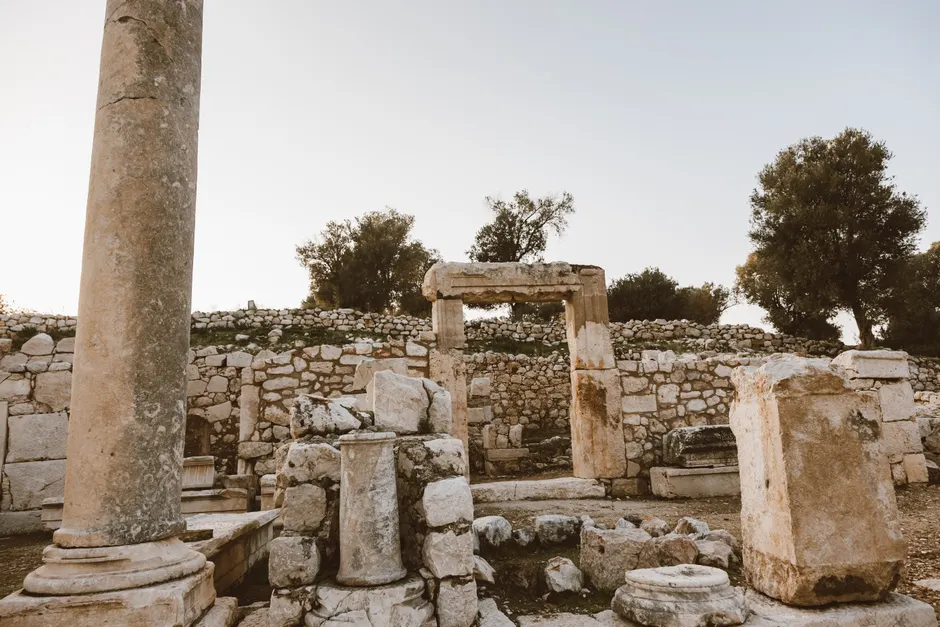
Israel's government steering committee approved a 113 million shekel ($37 million) allocation on August 5, 2026, to take control of more than 70 historical sites in the occupied West Bank, according to Al Jazeera. The decision builds on a 250 million shekel ($83 million) plan approved in May 2026 targeting archaeological sites across the West Bank, the Jordan Valley, and other areas.
On the same day, the Knesset's Finance Committee separately approved close to 300 million shekels (about $99 million) in direct funding and commitments to Israel's Settlements Ministry. The steering committee specified that the Settlements Ministry is set to receive 157 million shekels ($52 million) in direct funding plus 142 million shekels ($47 million) in commitment authorisations. Finance Minister Bezalel Smotrich described the funding as "a Zionist act of the highest order," adding, "A people without a past has no future." He detailed plans for new visitor centres and research facilities at the sites.
Palestinian media reported that the plans include taking over Solomon's Pools near Bethlehem, a site Smotrich has previously sought to bring under Israeli control. The historical water system, located south of Bethlehem, has been a recurring flashpoint in competing Israeli and Palestinian heritage claims.
The August 5 approvals form part of a broader and accelerating budgetary trajectory. In June 2026, Israel's cabinet referred a plan to allocate 1 billion shekels (about $339.7 million) for the establishment of new settlements in the West Bank, Reuters reported. That came roughly a year after the government approved 22 new Jewish settlements in the West Bank in late May 2025, according to Reuters. In July 2024, Peace Now reported that Israeli authorities approved the appropriation of 12.7 square kilometers (nearly 5 square miles) of land in the Jordan Valley, which the watchdog group called the largest West Bank land seizure in three decades, PBS NewsHour reported.
Smotrich stated that about 104 settlements and 160 outposts have been approved in the occupied West Bank since 2022. Israeli settlements in the territory are considered illegal under international law, a position affirmed by the United Nations and broadly maintained by the International Court of Justice, though Israel disputes this characterization.
The funding allocations arrive amid what Palestinian media describe as escalating friction on the ground. Palestinian outlets reported more than 11,000 settler and military attacks across the West Bank in 2026 so far this year.
The historical-sites component of the August 5 decision distinguishes it from prior settlement-expansion measures that focused primarily on residential construction and land appropriation. By targeting archaeological and heritage sites, the steering committee's allocation channels resources into controlling, developing, and narrating locations of cultural and historical significance. The planned visitor centres and research facilities would give Israel institutional infrastructure to present and manage these sites, deepening administrative integration in ways that go beyond physical settlement.
Looking at the cumulative budgetary picture, the trajectory is striking. The May 2026 archaeological plan ($83 million), the June 2026 cabinet-referred settlement allocation ($339.7 million), and the August 5 dual-track approvals ($37 million for historical sites, $99 million for the Settlements Ministry) together represent a multi-hundred-million-dollar investment pipeline directed at consolidating Israeli presence across the West Bank. The June cabinet referral of 1 billion shekels, if finalized, would dwarf these individual line items.
The legal and diplomatic ramifications are layered. Sanctions imposed by several Western governments on individual settlers and related entities have not deterred the budgetary expansion. The heritage-sites strategy adds a new dimension to the contestation: control over physical territory is being complemented by control over the historical narrative attached to that territory. For states and institutions that have treated settlements as a legal issue under the Fourth Geneva Convention, the heritage-sites approach raises questions about whether archaeological administration constitutes a separate category of action or an extension of the same legal framework.
For Palestinian officials and civil society organizations, the targeting of sites like Solomon's Pools signals a strategy of encirclement around Bethlehem and the southern West Bank, areas designated under the Oslo Accords as falling within Palestinian civil and security jurisdiction in Area A. The integration of heritage management into the settlement enterprise complicates any future territorial compromise by creating facts on the ground that are institutional, cultural, and not merely residential.
What remains unclear is the timeline for implementation. Steering committee approvals authorize funding but do not specify construction schedules. The Knesset Finance Committee's separate action on Settlements Ministry funding suggests parallel legislative and executive tracks are moving in coordination, but neither body has publicly detailed when disbursement or site takeover would begin.


