Russian Strikes on Kyiv Kill at Least 14 as Escalatory Pattern Hardens
Russian strikes in and around Kyiv on 5 August 2026 killed at least 14 people and injured 27, according to Ukrainian emergency service officials, in the latest of a sustained series of ballistic missile barrages targeting the capital region. The Kyiv military administration said seven sites were hit in the assault, which began after midnight on Wednesday. Air raid alerts lasted more than an hour across the city. The Guardian
Reuters witnesses heard explosions throughout Kyiv during the attack. Mayor Vitali Klitschko said air defence units engaged the incoming fire. Within the city itself, authorities reported one person dead, 24 injured, and buildings damaged. Four of the injured were left in critical condition, and an ambulance driver was among the wounded, according to Klitschko. The Guardian
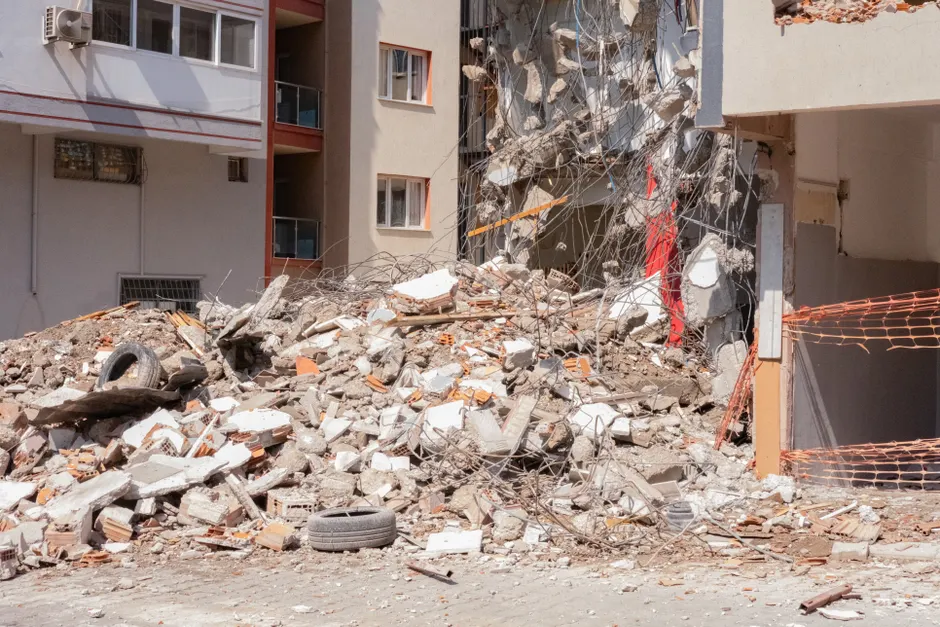
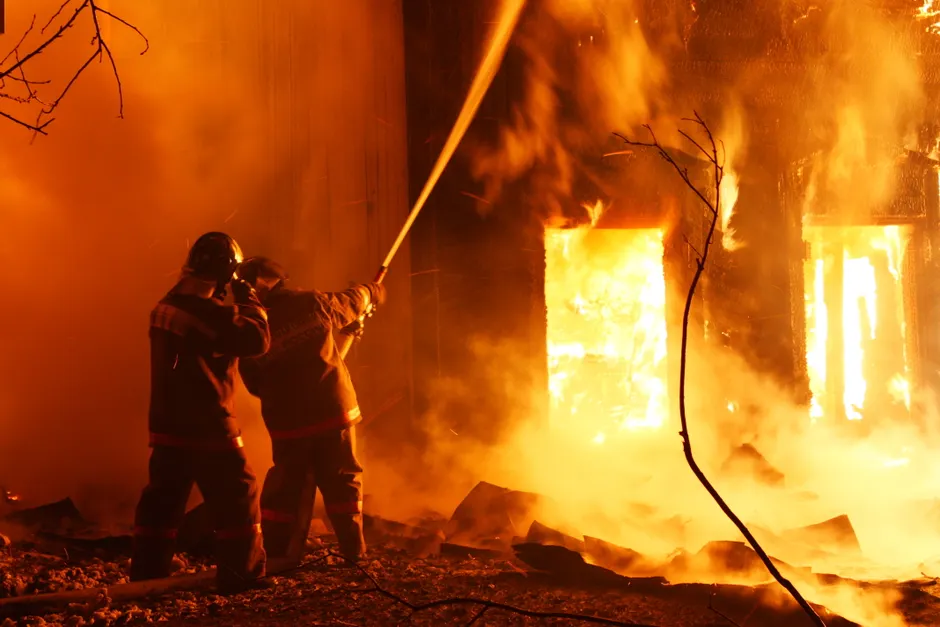
The strike set off fires in warehouses and storage areas across the city. A large fire broke out on Kyiv's outskirts, while debris from a downed missile landed beside a residential building. The Kyiv military administration said the attack caused an ammonia leak that emergency crews were working to contain. Klitschko said rescuers pulled two people from the ruins of a warehouse near the city centre that was destroyed in the assault, and that people may still be trapped under the rubble. The Guardian
The Russian defence ministry said it had struck logistic hubs and supply centres in Kyiv and surrounding areas, claiming they serve military purposes. The claim came one day after Ukraine hit logistics hubs of Wildberries inside Russian territory on 4 August, adding to more than a dozen such facilities Ukraine has damaged recently. The sequence points to a mutual targeting of rear-logistics infrastructure, with both sides striking supply nodes rather than exclusively frontline positions. The Guardian
The 5 August strike is the deadliest single attack on the capital region in a two-week window of intensifying bombardment. On 31 July, Russia launched 35 ballistic missiles at Kyiv and the surrounding region, killing 10 people, according to Reuters. An Associated Press report documented a barrage of ballistic missiles and drones into Kyiv that killed at least nine and wounded 33. AP News
Earlier in July, the pattern was already intensifying. On 19 July, Russia attacked Kyiv overnight with one of its largest ballistic missile barrages of the war, launching 41 missiles. Ukrainian air defences shot down 18 of them, with at least one person killed and 16 wounded, Reuters reported. On 11 July, Russian strikes killed eight people and wounded dozens across Ukraine, including 12 wounded in Kyiv and five killed in a separate strike on Sumy. Reuters
The broader context here is a structural shift in how Russia is employing standoff munitions against Ukrainian urban centres. The frequency of ballistic missile barrages on Kyiv has increased markedly since mid-July, with at least four major attacks in under three weeks. The 19 July barrage alone involved 41 missiles, and the 31 July attack deployed 35. These are volumes associated with concerted saturation campaigns designed to overwhelm layered air defence systems rather than strike individual high-value targets. Ukrainian intercept rates, while significant, leave a substantial portion of incoming munitions getting through.
The targeting of warehouses and storage facilities in the 5 August attack aligns with Russia's stated objective of disrupting Ukrainian logistics. Yet the civilian toll, including an ambulance driver and people trapped in rubble, raises the familiar question of proportionality and target discrimination that has attended Russian strike packages throughout the war. The ammonia leak triggered by the strike adds an environmental and public safety dimension that emergency crews must manage alongside search-and-rescue operations.
The reciprocal strikes on logistics infrastructure, with Ukraine hitting Wildberries hubs inside Russia on 4 August and Russia striking Kyiv-area warehouses the following day, suggest both sides are now treating rear-area supply chains as legitimate operational targets. This deepens the conflict's footprint beyond the active front line and into the commercial and logistical backbone each side relies on for sustained operations.
The death toll of at least 14 may still rise. Some reports put the figure at 15, and Klitschko's warning about people under the rubble indicates that search efforts are ongoing. The pattern of escalating barrages, combined with the reciprocal targeting of logistics nodes, points to an intensification phase with no immediate indication of de-escalation.